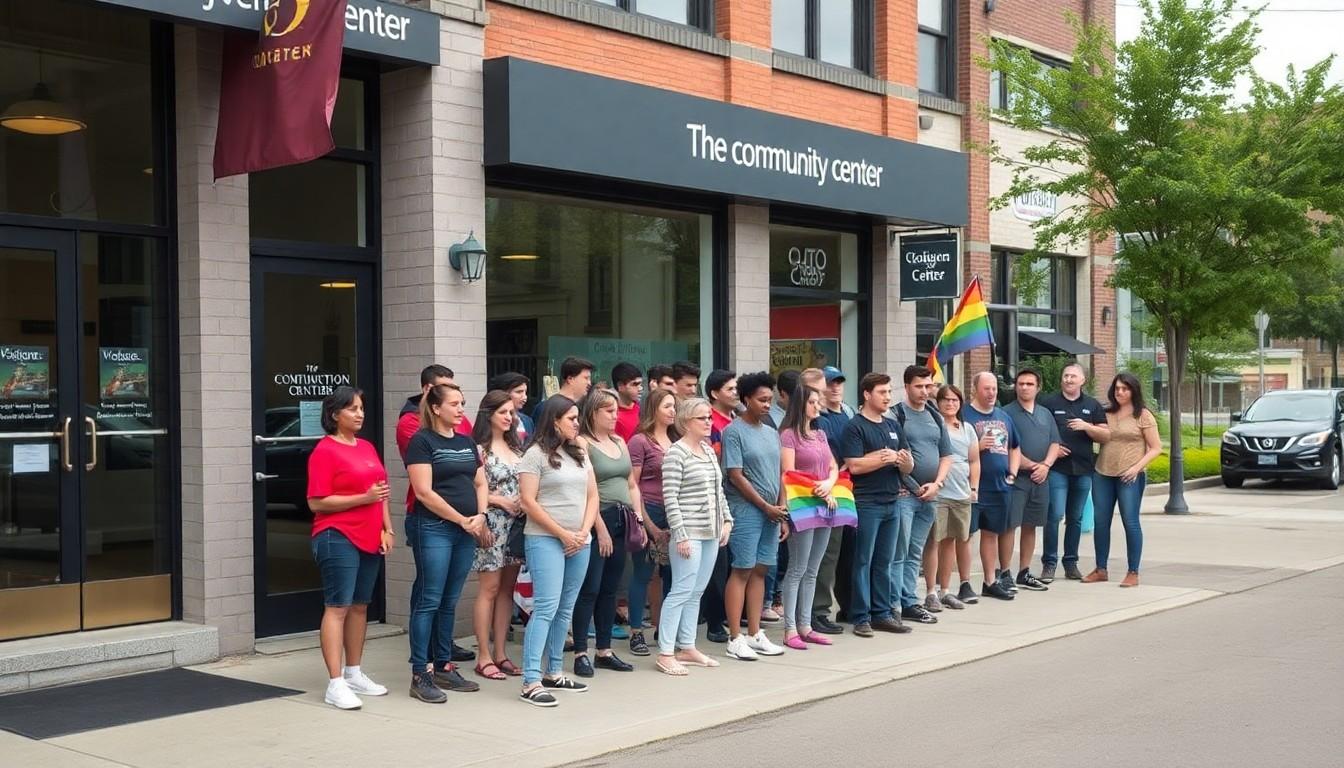
Visitors discovering Minneapolis and St Paul after a turbulent winter will find more than dramatic headlines. Across the Twin Cities, LGBTQ+ bars, independent shops, artists, sports fans and neighbours have turned everyday places into welcoming hubs of solidarity, creativity and queer joy.
Essential Takeaways
- Community comes first: Queer-owned bars, shops and cafés have provided food, shelter, fundraising and mutual aid.
- Pride remains proudly local: Minneapolis Pride combines a lively festival atmosphere with a strong grassroots feel.
- Nightlife is wonderfully varied: Expect drag, karaoke, dancing, women’s sports bars and even the distinctly Minnesotan tradition of meat raffles.
- Art carries real weight: Galleries, theatres, parades and public installations often blend creativity with activism.
- Spend thoughtfully: Independent and immigrant-owned businesses still benefit from visitors choosing local shops, restaurants and venues.
The Twin Cities are more than the headlines
The clearest impression of Minneapolis and St Paul isn't fear. It's the soft, stubborn hum of people looking after one another.
Following a highly visible federal immigration enforcement operation and the deaths of Renee Good and Alex Pretti, neighbourhoods across the Twin Cities faced grief, disruption and uncertainty. National coverage focused on confrontation, but reporting from the Associated Press and Washington Post also documented residents organising watch groups, protests and practical support for neighbours.
That response is important context for LGBTQ+ visitors. These cities haven't simply returned to normal, because normal life here has always included mutual aid, public gathering and political organising. Instead, cafés, bars, bookshops and community venues have continued doing what they do best: giving people somewhere to meet, breathe and feel less alone.
Queer-owned businesses became places of refuge
At A Bar of Their Own, a women’s sports bar in Minneapolis, the usual match-day buzz expanded into something more protective. The venue opened its doors to families, hosted collections and helped distribute supplies, becoming a useful community base when schools closed and movement felt difficult.
Other businesses followed suit. Smitten Kitten helped organise donations and grassroots fundraising, while Post Modern Times moved towards a donation-based model, serving meals without putting a price tag on every plate. In St Paul, Mischief Toys & Games raised money for local causes and distributed whistles and information designed to help people respond when immigration officers were nearby.
The reaction wasn't accidental. LGBTQ+ businesses are often used to creating safety where mainstream institutions have failed to do so. As coverage by LGBTQ Nation noted, residents described the wider protest movement as powerful precisely because it joined emotional solidarity with practical help.
For visitors, that makes the local spending decision feel more meaningful. Booking a table, buying a book or picking up a gift isn't a grand political gesture on its own, but supporting the places that kept showing up can help sustain them.
Pride is big enough to sparkle, small enough to feel personal
Minneapolis Pride brings the city together each June, with the parade travelling along Hennepin Avenue before the celebration settles into Loring Park. There are drag performances, food stalls, beer gardens and plenty of rainbow colour, but the atmosphere is less polished corporate showcase and more joyful neighbourhood reunion.
That balance is part of the appeal. The festival has enough scale to feel thrilling, yet visitors can still bump into familiar faces or strike up a conversation without being swallowed by the crowd. After an exhausting year, Pride also offered something especially valuable: a place to celebrate rather than constantly react.
The Pride Cultural Center's conversion into an emergency food pantry showed how quickly the organisation could shift from festival planning to crisis support. It also underlined a wider truth about Minneapolis LGBTQ+ life: celebration and activism aren't separate lanes here. They often share the same pavement.
Where queer nightlife stays lively
The Twin Cities don't funnel every LGBTQ+ night out into one compact district. Instead, venues are scattered across Minneapolis and St Paul, which gives the scene a relaxed, exploratory quality.
The Saloon has been a long-running Minneapolis institution since 1977, while LUSH Lounge & Theater offers regular drag performances. Events such as GRRRL Scout and Mature Content create room for queer women and trans communities, including people who'd rather dance early than wait for the small hours. A night might begin with cocktails or ice cream, continue through karaoke, and end beneath a glittering drag-stage light.
Sports are part of the social fabric, too. A Bar of Their Own attracts fans of women's sport, while Minnesota Lynx games often feel like community reunions as much as fixtures. The Minnesota Aurora FC and Minnesota Frost add further energy, proving that a good queer night out doesn't always involve a nightclub.
A practical tip: check each venue's current listings before travelling, as events and opening hours can change. If you’re visiting during a busy festival or game weekend, booking ahead is sensible. And if you win a meat raffle, bring a cool bag. That last bit is not a joke.
Art, food and neighbourhood life tell the deeper story
The city's creative identity stretches well beyond the headline attractions. The Guthrie Theater, Walker Art Center, First Avenue and Minneapolis Sculpture Garden offer major cultural stops, while smaller spaces bring the sharper local flavour. Birchbark Books, the Indigenous-owned bookshop founded by Louise Erdrich, is a particularly thoughtful place to browse.
Seasonal events add another layer. Art-A-Whirl opens studios across Northeast Minneapolis, the Uptown Art Fair fills Hennepin Avenue with makers and performers, and the Mayday Parade combines enormous puppets, music and community politics in a spectacle that feels unmistakably local.
Food offers an equally direct route into the cities' character. Immigrant-owned restaurants around Lake Street and Northeast Minneapolis have continued welcoming customers despite the disruption of recent months. Independent favourites range from masa-focused Mexican cooking and Southeast Asian dishes to vegan doughnuts, grilled cheese with a social mission and unapologetically pink doughnut shops.
St Paul brings its own mix, including the Black Hart of Saint Paul, Urban Growler and Mischief Toys & Games. Together, these venues show why the best LGBTQ+ guide to Minneapolis and St Paul can't stop at bars and Pride. The real experience is found in the overlap between food, art, sport, politics and ordinary neighbourhood routines.
A city trip with purpose
Visitors should use the same awareness they'd bring to any major American city, while remembering that conditions and demonstrations can change. Recent reporting from Fox 9 and the Star Tribune has followed the continuing investigations and political fallout surrounding the federal operation, so it’s wise to check current local guidance before heading out.
The most rewarding approach is simple: choose independent businesses, seek out queer- and immigrant-owned venues, use public spaces respectfully and give yourself time to wander. A farmers market, a gallery opening or an unplanned coffee stop may reveal more about the Twin Cities than a tightly packed sightseeing schedule.
Minneapolis and St Paul aren't defined by one winter, one protest or one news cycle. Their strongest story is quieter and more enduring: people keep making room for one another, often with a meal, a song, a whistle or a shared table.
Explore the Twin Cities through the people and places that keep them connected.
Source Reference Map
Story idea inspired by: [1]
Sources by paragraph: