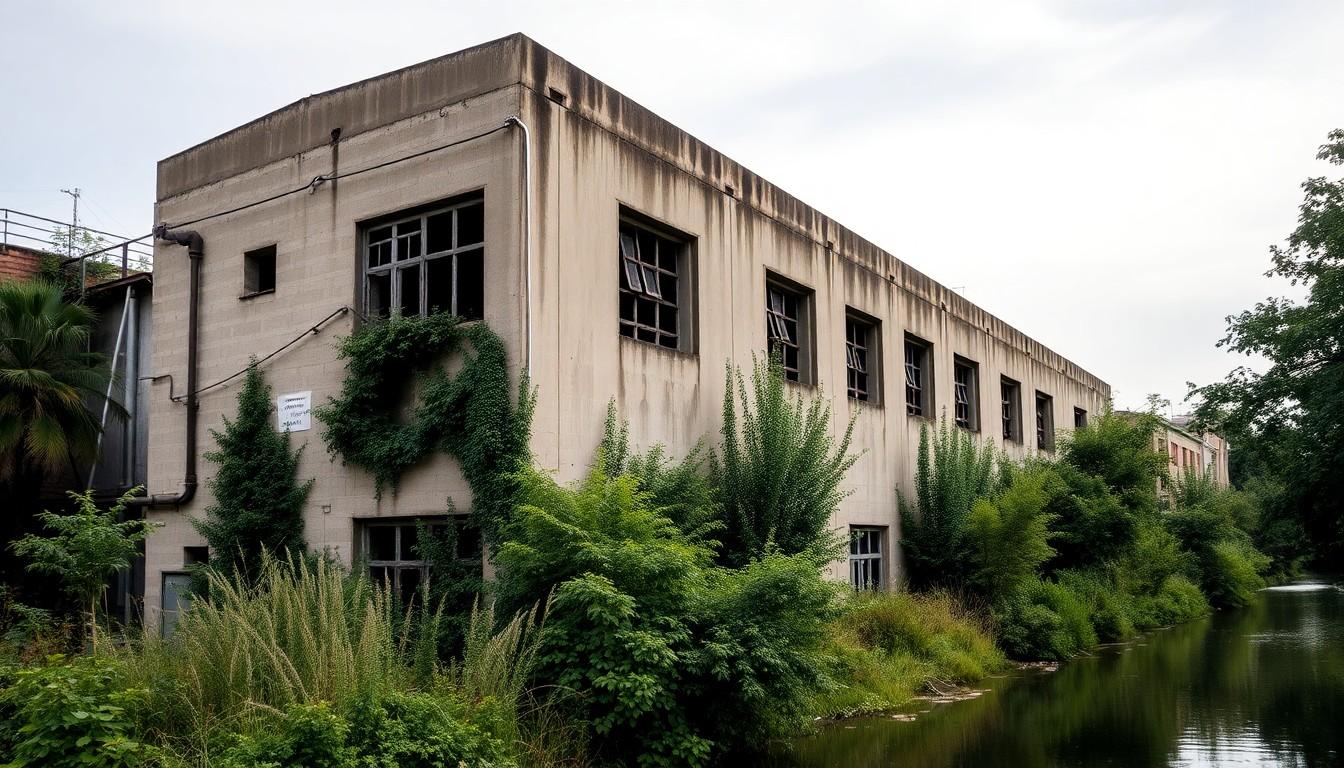
Authorities in Vigevano are investigating the death of a 24-year-old man from El Salvador, found in a semi-abandoned building less than two weeks after he was allegedly insulted and pushed into the Naviglio Sforzesco. The case has renewed concern over violence, vulnerability and the support available to victims of homophobic attacks.
Essential Takeaways
- The victim: A 24-year-old man originally from El Salvador was found dead in his home in Vigevano, near Pavia.
- The earlier assault: On 22 August, two young men allegedly subjected him to homophobic abuse before pushing him into the canal.
- The investigation: Police are examining the circumstances of the death and have not ruled out any explanation.
- Earlier charges: The two alleged attackers were reported over discrimination linked to sexual orientation, personal injury, threats and resistance to police.
- Support had been offered: The Pavia anti-discrimination centre had offered legal and psychological assistance after the assault.
A death that has left investigators searching for answers
The young man was found face down, with blood covering his face, inside the building where he lived. A fellow resident discovered him and contacted police, prompting an investigation into what happened, according to ANSA.
The property has been described as semi-abandoned, an unsettling setting for a case that was already attracting attention because of the earlier assault. Investigators have questioned the person who found the body, while the cause and circumstances of death remain under examination, The Giorno reported.
At this stage, authorities haven't publicly connected the death to the canal attack. That distinction matters, even as the timing inevitably raises difficult questions.
What happened during the alleged attack?
On 22 August, the man was reportedly targeted with homophobic insults before being pushed into the Naviglio Sforzesco. Reports said the confrontation continued when police arrived, with the two young men allegedly resisting officers, according to La Repubblica.
The incident led to reports being filed over several suspected offences, including discrimination related to sexual orientation, injury, threats and resistance to a public official. Corriere della Sera reported that the men were not detained but were referred to prosecutors in Pavia.
Being pushed into a canal is frightening enough without the added cruelty of targeted abuse. For anyone watching from the outside, it's a reminder that so-called insults can quickly become physical danger.
Why the unanswered details matter
The 24-year-old was taken to Vigevano's Civic Hospital after the incident but left voluntarily before doctors had completed their checks, Adnkronos reported. In the days that followed, he reportedly chose not to make a formal complaint.
The Pavia anti-discrimination centre had offered legal and psychological support, according to Tgcom24. That offer highlights how complicated these cases can be: a victim may be frightened, exhausted, distrustful or simply unwilling to relive what happened through a formal process.
Leaving hospital or declining to report an assault doesn't erase the seriousness of the alleged attack. It can, however, make it harder for investigators and support services to understand a person's condition and provide continued protection.
A wider concern about reporting hate-motivated violence
The case sits within a broader challenge facing victims of homophobic violence: getting immediate help while also navigating police, medical and legal systems. Support needs to be accessible, confidential and practical, not just available in theory.
Anti-discrimination centres can offer an important bridge between emergency services and longer-term assistance. That may include counselling, help understanding legal options and support with accommodation or safety planning, depending on the circumstances.
For now, investigators in Vigevano are working to establish the facts rather than draw conclusions. The next findings, including any forensic evidence, will be crucial in clarifying whether the earlier assault played a role in the death.
What happens next?
Police are expected to continue gathering statements and examining the location where the body was found. The two men previously reported over the canal incident remain part of the wider case history, but the death investigation must establish its own evidence and timeline.
The story has already prompted public concern because of the short gap between the reported attack and the discovery of the body. Still, careful investigation is essential. As difficult as the waiting may be, facts must lead the response.
It's a tragic case that shows why prompt medical care, safe accommodation and sustained support can matter long after an attack appears to be over.
Source Reference Map
Story idea inspired by: [1]
Sources by paragraph:
- Paragraph 1: [2], [3]
- Paragraph 2: [4], [6]
- Paragraph 3: [5], [7]
- Paragraph 4: [2], [3]
- Paragraph 5: [4], [6]
- Paragraph 6: [5], [7]
- Paragraph 7: [2], [3]
- Paragraph 8: [4], [6]
- Paragraph 9: [5], [7]
- Paragraph 10: [2], [3]
- Paragraph 11: [4], [6]
- Paragraph 12: [5], [7]
- Paragraph 13: [2], [3]
- Paragraph 14: [4], [6]
- Paragraph 15: [5], [7]
- Paragraph 16: [2], [3]