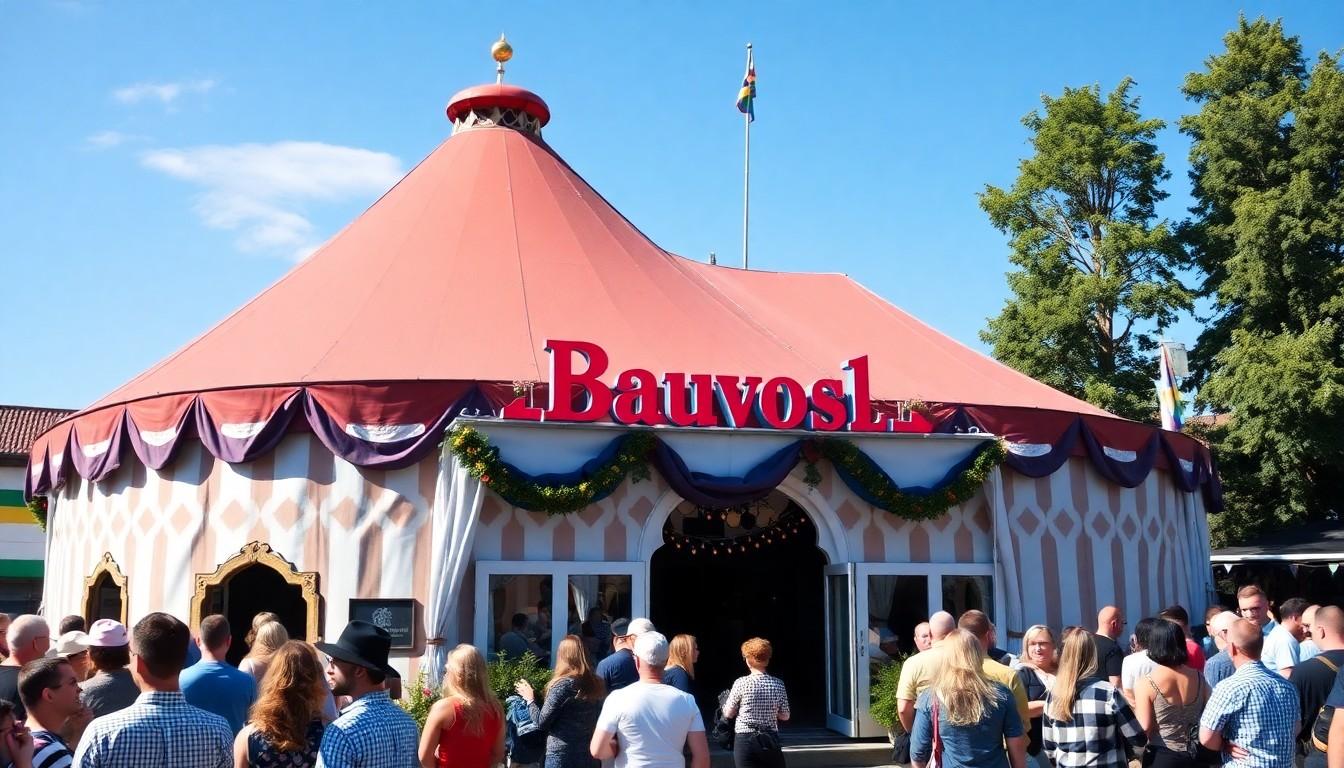
Visitors are set to gain a new kind of Oktoberfest gathering in Munich this autumn, as the Bräurosl tent hosts “Bier, Boobs, Brezn” for around 700 women and FLINTA people. The event matters because it brings lesbian and queer visibility to one of the city’s biggest traditional spaces, rather than leaving it to established male-dominated celebrations.
Essential Takeaways
- New event: “Bier, Boobs, Brezn” is planned for 21 September at the Bräurosl tent.
- Who it's for: The gathering welcomes women and FLINTA people, including lesbian, intersex, non-binary, trans and agender visitors.
- A different balance: The long-running Rosa Sunday attracts a largely male crowd, creating demand for a more women-centred event.
- Traditional setting: Expect the familiar Wiesn mix of beer, food, music, dancing and communal tables.
- Practical point: Visitors should check official event and Oktoberfest information before travelling, as access and table arrangements can matter.
A new queer date joins the Wiesn calendar
The strongest detail is the setting. Rather than taking place in a specialist club or established queer venue, “Bier, Boobs, Brezn” will unfold inside the Bräurosl tent, complete with beer, pretzels, music and the unmistakable bustle of the Munich Oktoberfest.
According to regional reports, the event is scheduled for 21 September and is expected to welcome roughly 700 women and FLINTA guests. That gives the day a clear identity, while keeping the familiar social rituals that make the Wiesn such a magnet in the first place.
The wider Oktoberfest has long offered queer visitors a visible place in its programme. Official Oktoberfest guidance highlights LGBTIQ events and services across the festival, but this new gathering adds a more specific focus for lesbian women and other FLINTA people.
Why the Bräurosl matters
The Bräurosl is already closely associated with the festival's queer calendar. The venue hosts the traditional Rosa Sunday, an event with roots stretching back more than four decades and a reputation for drawing thousands of gay men.
That history is important, but it also explains the gap the new party is trying to address. Reporting by the Süddeutsche Zeitung and other Bavarian outlets notes that women have often been less visible in queer nightlife and Wiesn celebrations, even as demand for inclusive spaces continues to grow.
Sina Scherer, the organiser behind the event, said in comments reported by the dpa that the idea was to stop waiting for someone else to create that space. It's a direct, practical response to a familiar problem: if a community can't find its own table, sometimes it has to reserve one.
The Rosa Sunday gets an extra day
The Bräurosl's hosts say demand for the existing queer celebration has risen beyond available capacity. Their answer is a new Rosa Monday, extending the queer programme and creating room for a different audience profile.
That expansion also reflects a broader shift in how people approach major cultural events. Visitors increasingly want traditional experiences to feel open to more communities, not separated into a small number of specialist venues. As the official Oktoberfest visitor information makes clear, queer guests are already part of the festival's public life.
Still, the economics of a large beer festival can't be ignored. Industry commentary cited by Bavarian media has pointed to the cost of tables, different spending patterns and the historic difficulties faced by women's and lesbian venues. A party that can fill a large tent is therefore both a cultural statement and a commercial vote of confidence.
What guests can expect from the event
The appeal isn't that the organisers are reinventing Oktoberfest. It's almost the opposite. Guests can expect to sit together, eat hearty festival food, raise a stein, dance and meet people, with lesbian women and FLINTA visitors deliberately placed at the centre of the day.
That makes the event feel less like a formal conference and more like a lively shared outing. The sensory details are classic Wiesn: clinking glasses, warm pretzels, loud music and crowded wooden benches, but with the reassurance of knowing that the room has been planned with this community in mind.
Anyone considering the event should check current ticket, table and entry information before travelling. Oktoberfest gatherings can be busy, and arriving with a clear plan is much more enjoyable than trying to find space at the last minute.
A visible change to a familiar tradition
There is a quiet significance in choosing the Wiesn. The festival belongs to the whole city, bringing together different generations, backgrounds and lifestyles. Making queer women more visible there sends a stronger message than hosting another private night in an already familiar club.
The event also arrives at a moment when safety and public visibility remain closely linked for queer communities. Organisers and guests will naturally be alert to the wider climate, but the decision to gather openly is part of the point.
For many visitors, it may simply be a fun afternoon or evening with friends. That doesn't make it less meaningful. Sometimes social progress looks like a packed beer tent, a shared pretzel and nobody having to wonder whether they belong.
A new lesbian-friendly Oktoberfest event could make the Wiesn feel more welcoming, one crowded bench at a time.
Source Reference Map
Story idea inspired by: [1]
Sources by paragraph:
- Paragraph 1: [2], [4]
- Paragraph 2: [3], [6]
- Paragraph 3: [7]
- Paragraph 4: [2], [5]
- Paragraph 5: [4], [5]
- Paragraph 6: [3], [6]
- Paragraph 7: [2], [4]
- Paragraph 8: [5], [7]
- Paragraph 9: [3], [6]
- Paragraph 10: [2], [4]
- Paragraph 11: [5], [7]
- Paragraph 12: [2], [3]
- Paragraph 13: [4], [6]
- Paragraph 14: [5], [7]
- Paragraph 15: [2], [4]
- Paragraph 16: [3], [5]