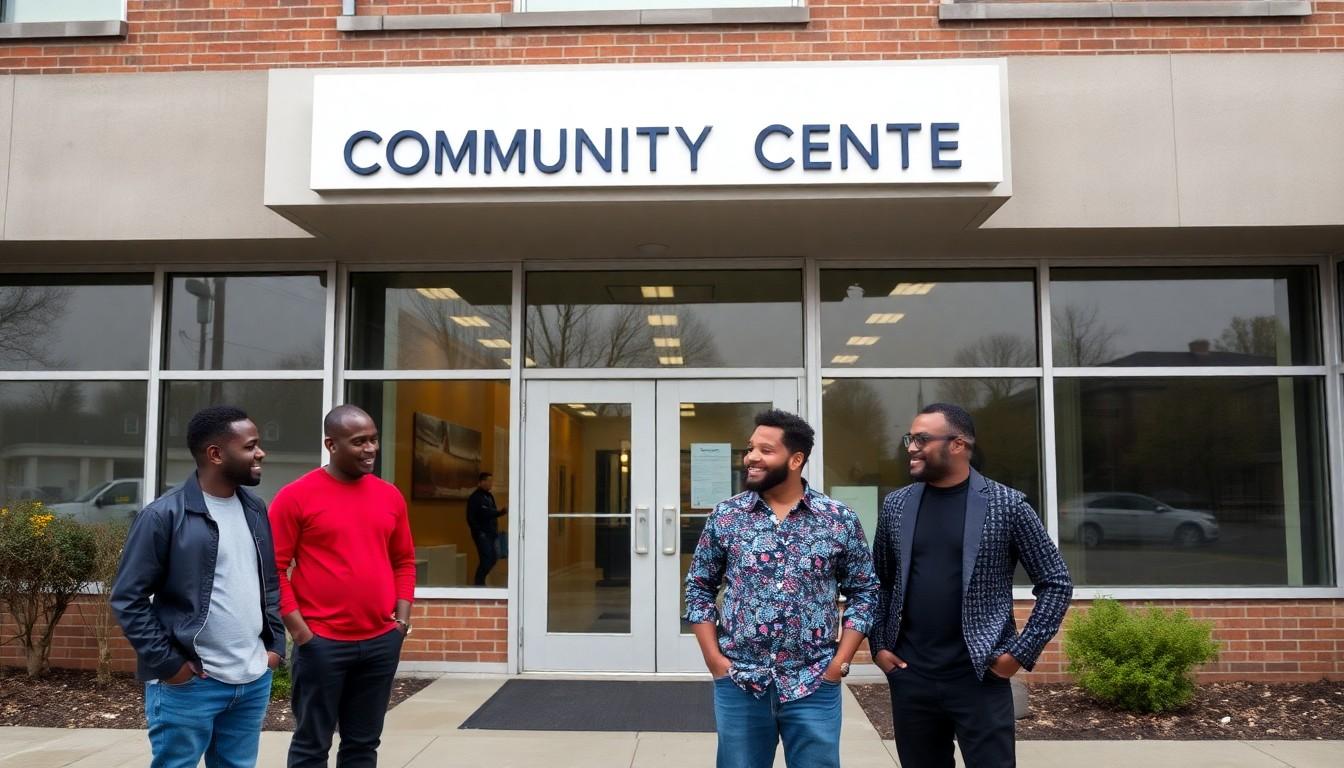
Across Ohio, Black transmasculine people are finding connection, rest and brotherhood through an unusually accessible annual wellness retreat. With outdoor activities, practical workshops and help with transport, the gathering tackles isolation and cost at the same time, creating a rare space where participants can simply relax, laugh and feel understood.
Essential Takeaways
- Low-cost access: The retreat keeps its fee to a waivable $25, helping reduce financial barriers.
- Practical support: Organisers can arrange transport, including door-to-door collection for some attendees.
- More than a getaway: Activities include outdoor adventures alongside sessions on sexual health, spirituality and grooming.
- Growing demand: Applications have outnumbered available places, showing the need for dedicated community spaces.
- A warm, affirming atmosphere: Attendees describe the experience as restorative, social and unexpectedly powerful.
A rare chance to put rest first
For many people, a retreat suggests polished cabins, expensive bookings and a long journey. Black Trans Men of Ohio is taking a different approach, building an annual wellness retreat around access, belonging and the simple pleasure of spending time with people who understand the experience.
The Wellness & Resilience Retreat, known as WARR, brings Black transmasculine attendees together for several days of rest, connection and shared activities. According to The Buckeye Flame, its programme has included kayaking and horse riding, with rock climbing among the planned activities for the latest gathering.
That mix matters. A workshop can offer practical knowledge, but a day outdoors or an evening around a table can create the quieter moments in which friendships take root. Sometimes community begins with something as ordinary as laughing at a badly packed bag.
Why Black transmasculine community spaces matter
BTMO grew from a support group founded after its organiser found himself isolated in wider transmasculine spaces. WYSO reported that the initiative developed into a broader organisation supporting Black trans men across Ohio through community-building and advocacy.
That history gives the retreat a clear purpose. It isn't simply a social weekend; it's a response to the lack of spaces where race, gender identity, geography and economic circumstances can be understood together.
The need is particularly visible outside major cities. People in rural areas may face fewer local services, limited employment options and longer journeys to meet others with similar experiences. For disabled attendees, even reaching a community event can become a major logistical challenge.
Affordable support means more than a cheap ticket
Keeping the fee low is one part of the work. The bigger challenge is covering accommodation, food, activities and travel without passing those costs on to attendees.
BTMO's public information highlights its focus on supporting Black trans men and building connections across Ohio. Its Linktree also provides routes to the organisation's wider resources and support channels, making it easier for potential participants and supporters to find out how to help.
Transport is especially important. Organisers have arranged vehicles to collect some attendees from their homes, removing the awkward gap between being invited to a retreat and having no realistic way to get there. That kind of practical care can be just as meaningful as a carefully planned workshop.
The demand shows how much people need this
The retreat has expanded from three days to four, yet interest continues to outpace capacity. The Buckeye Flame reported that 35 people applied for one recent retreat, while only 15 places were available.
That imbalance says something important about the wider community landscape. People aren't necessarily asking for lavish experiences; they're asking for time, safety and the chance to be around peers without having to explain every part of themselves.
The programme's range also helps. Sessions on sexual health, spirituality and shaving sit alongside outdoor activities, so the retreat can feel useful without becoming clinical. There's room for learning, but also for doing very little, which is often the point.
A small retreat with bigger ambitions
BTMO hopes eventually to offer a second retreat each year and secure a regular cabin rather than starting from scratch with a new venue each time. That would make planning easier and could help the programme welcome more people.
Supporters can look to BTMO's official channels for donation options, wish-list items and volunteering opportunities, including help with food and transport. Events listings have also shown the retreat's wider public presence and its place within Ohio's community calendar.
The longer-term ambition is clear: make joy sustainable, not occasional. For attendees who spend much of the year coping with isolation or barriers to support, a few days of brotherhood can feel less like a luxury and more like essential maintenance.
It's a reminder that access, joy and belonging belong in the same conversation.
Source Reference Map
Story idea inspired by: [1]
Sources by paragraph: