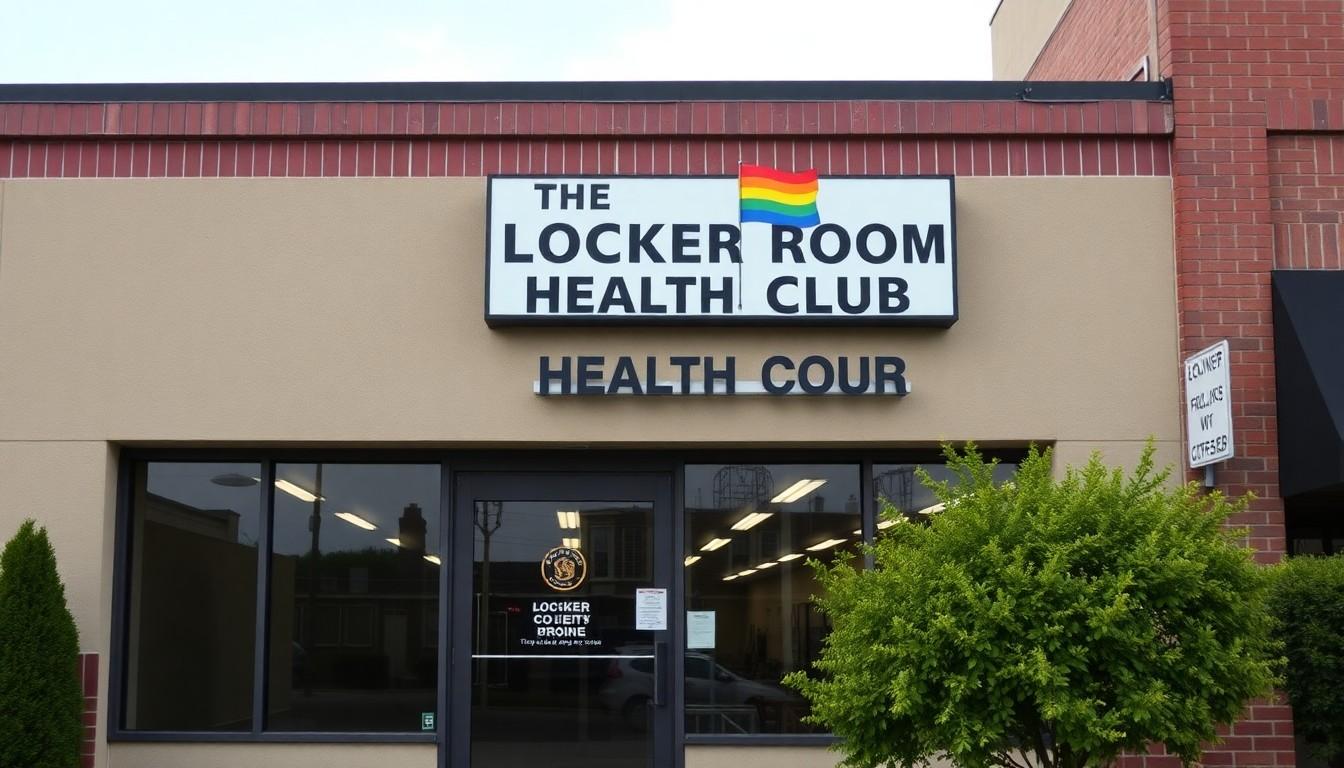
A vivid 1976 memoir about a Minneapolis gay bathhouse offers an intimate glimpse of secrecy, desire and fear, just as the city revisits its long-standing rules on adult venues. The story matters because it connects private queer lives with a public-health and civil-rights debate that has shaped Minneapolis for decades.
Essential Takeaways
- A personal turning point: Joseph A. Shapiro recalls visiting The Locker Room in 1976 while engaged to a woman.
- A world behind closed doors: The bathhouse offered lockers, communal spaces, a sauna, hot tub and private rooms.
- Fear shaped the experience: Anxiety about identity, marriage and sexually transmitted infections followed him home.
- The wider debate is changing: Minneapolis has been reconsidering restrictions on adult bathhouses after years of political and public-health argument.
- History still feels personal: The policy discussion is really about privacy, safety and who gets to gather openly.
One Sunday afternoon, everything changed
Shapiro's story begins with a walk through a quiet downtown Minneapolis, but the emotional weather is anything but calm. He was a graduate student, engaged to his teenage sweetheart and carrying a desire he had tried to push aside for years.
A small newspaper advert for The Locker Room proved impossible to ignore. Its promise of physical pleasure drew him towards an unmarked door, where a towel, locker key and unfamiliar surroundings became the threshold to a life he hadn't yet found words for.
The setting is strikingly ordinary and theatrical at once: a snack bar, television room, hot tub, steam room and dim upstairs corridors. Yet the strongest detail isn't the decor. It's the sensation of a man standing still while the world he has imagined suddenly becomes real.
Bathhouses were more than places to meet
For many gay men in the pre-internet era, bathhouses offered something that dating apps and social media now make easier to find: a place where desire could be recognised without a lengthy explanation. That didn't make the experience simple. It could be thrilling, confusing, lonely or all three in the same afternoon.
Shapiro's memoir captures the awkward choreography of such spaces, where glances carried enormous weight and conversation could be almost unnecessary. His first encounter is brief, but its impact is lasting. He returns home not with a neat answer about his sexuality, but with a much larger set of questions.
That tension is central to the history of queer spaces in the American Midwest. The Star Tribune's reporting on Minneapolis bathhouses describes a city where these venues were repeatedly entangled with policing, morality campaigns and arguments over public order. Behind every legal dispute were people trying to build private lives in public conditions that rarely felt welcoming.
The fear of infection became part of the story
Soon after his visit, Shapiro developed pain and burning, and his thoughts moved rapidly towards catastrophe. In the anxious atmosphere of the 1970s, sexual health was often discussed in frightening, euphemistic terms rather than through calm, accessible advice.
A visit to a free clinic gave him something more useful than reassurance alone: an examination, testing and an explanation. The doctor concluded that stress-related urethritis was the likely cause, and the culture came back negative. The episode shows how easily shame can turn a health concern into a private crisis.
Today, the practical lesson remains familiar. Anyone worried about a possible infection should seek testing rather than rely on symptoms, memory or online speculation. Healthcare professionals can explain what risks are realistic, what tests are needed and when treatment or follow-up makes sense.
Minneapolis is rethinking its bathhouse rules
The memoir's private drama arrives at an interesting moment for Minneapolis. Local reporting from MPR News, Axios and CBS Minnesota describes renewed discussion about whether adult bathhouses should be legal and regulated rather than pushed into a grey area.
That shift reflects a broader change in public-health thinking. The Washington Post reported on Minneapolis lifting its AIDS-era ban, while New Republic coverage has explored how the epidemic reshaped queer politics and made questions of sex, safety and state power impossible to separate.
The debate isn't simply about whether such venues are tasteful. It's about whether regulation can make them safer, whether public-health workers can reach the people who use them and whether criminalisation drives activity out of sight. The details matter, from licensing and sanitation to consent policies and access to testing.
What the old story tells us now
It would be easy to read Shapiro's account as a period piece, complete with newspaper adverts, paper sign-in sheets and a world without mobile phones. But its emotional core feels remarkably current. The panic before telling a friend, the relief of being met with kindness and the uncertainty about what comes next are not confined to one decade.
His friend Christopher offers perhaps the memoir's most important response: don't rush. That advice is not a substitute for honesty or responsibility, but it recognises that identity can take time to understand. A single encounter doesn't have to provide a final label.
As Minneapolis weighs its next steps, the best policy will be one that remembers the people behind the arguments. For some, a bathhouse was a risky commercial venue. For others, it was the first place where a hidden part of themselves became visible.
It's a small but powerful reminder that public policy often begins with private lives.
Source Reference Map
Story idea inspired by: [1]
Sources by paragraph: