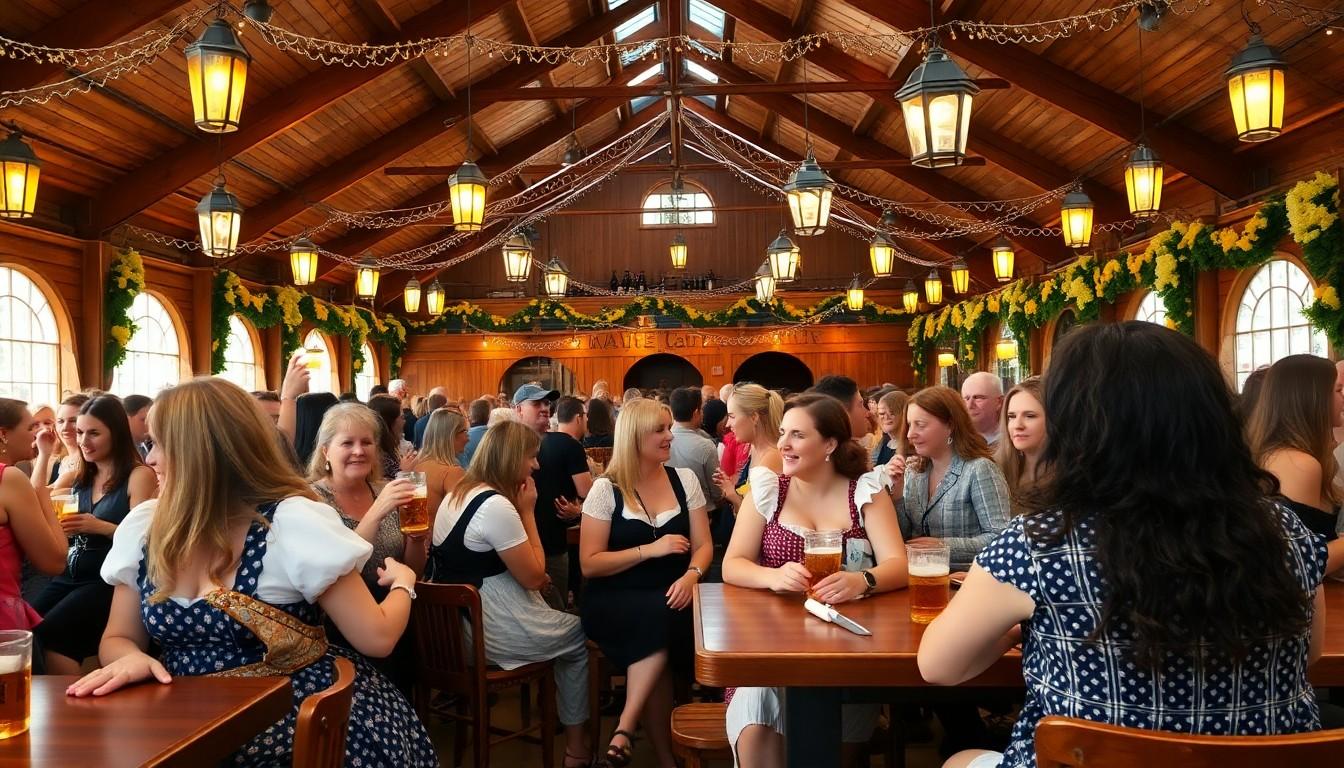
Visitors are getting a fresh reason to raise a stein at Munich's Oktoberfest, as a new event for queer women and FLINTA people brings more visibility to the festival. Scheduled at the Bräurosl tent, the gathering adds a welcome new chapter to the Wiesn's long-running LGBTQ+ celebrations.
Essential Takeaways
- A new gathering: “Bier, Boobs, Brezn” is planned for queer women and FLINTA people at the Bräurosl tent.
- A September date: The event follows the established Rosa Sonntag celebrations at Oktoberfest.
- A sizeable crowd: Organisers expect around 700 guests for the new gathering.
- A wider celebration: Bräurosl's queer programming is expanding from one major day to two.
- A visibility boost: The event aims to create a more noticeable space for lesbian and queer women at the Wiesn.
A new queer event is arriving at the Wiesn
The strongest message behind “Bier, Boobs, Brezn” is simple: queer women want their own place at Oktoberfest, not just a supporting role in a better-known celebration. According to Stern, the gathering is due to take place at the Bräurosl tent on 21 September, with around 700 women and FLINTA guests expected. [2]
That makes it more than another themed party. It responds to a familiar imbalance in queer nightlife, where events for gay men can be highly visible while lesbian spaces are fewer and often less permanent. L-MAG reported that the new gathering is being created to give queer women a dedicated presence on the festival grounds. [3]
Why Bräurosl matters
Bräurosl is already closely associated with Oktoberfest's LGBTQ+ calendar. The venue hosts the long-running Rosa Sonntag, a major date that attracts thousands of gay men and has become one of the festival's most recognisable queer traditions. According to the Bräurosl organisers, around 90 per cent of those guests are male. [4]
That history helps explain why the new event feels like an extension rather than a replacement. The idea is to widen the welcome while keeping the tent's lively, communal atmosphere intact. Munich's official event guide lists queer gatherings on the Wiesn as part of the festival's broader visitor experience. [7]
From Rosa Sonntag to a fuller queer weekend
The change follows growing demand for queer events at Oktoberfest. Reports suggest the popular Rosa Sonntag has become increasingly difficult to accommodate, prompting the Bräurosl team to add another day to its programme. TZ described the move as an expansion of the Rosa Wiesn celebrations across two days. [4]
For visitors, that means more choice and a slightly less compressed experience. A packed beer tent, loud brass music and rows of shared tables can be thrilling, but they can also make a single annual date feel like an endurance test. Splitting the programme gives different communities more room to enjoy the festival at their own pace. [5]
What guests should know before booking
Anyone considering the new event should check the official listing before travelling, particularly for ticket arrangements, entry rules, timings and age requirements. The Lost Girls event page provides the practical details for the FLINTA Wiesn gathering, while Oktoberfest's own visitor information outlines the wider LGBTQ+ events programme. [6]
It's also worth planning the basics early. Oktoberfest tents can fill quickly, public transport is busiest around peak sessions, and traditional dress is common but not compulsory. Comfortable shoes are a surprisingly wise choice too, because a day that begins with one leisurely drink can easily turn into several hours on your feet. [5]
A small change with a bigger meaning
The new event reflects a broader shift in how major public festivals think about belonging. Rather than keeping queer visibility inside dedicated clubs or Pride celebrations, organisers are placing it in the middle of one of Munich's most mainstream traditions. As the organiser told the German Press Agency, the Wiesn can be a useful setting precisely because it brings together different generations, backgrounds and lifestyles. [2]
There is something appealingly direct about that approach. A beer tent is not a specialist queer venue, but that is exactly the point: lesbian and queer women should be able to celebrate openly in the same noisy, slightly chaotic public spaces as everyone else. [3]
The new date won't solve the shortage of permanent lesbian venues on its own, but it does create a visible meeting point. And sometimes a packed table, a cold drink and a shared song are how a community starts taking up more room. [7]
It's a welcome new toast to a more inclusive Wiesn.
Source Reference Map
Story idea inspired by: [1]
Sources by paragraph: