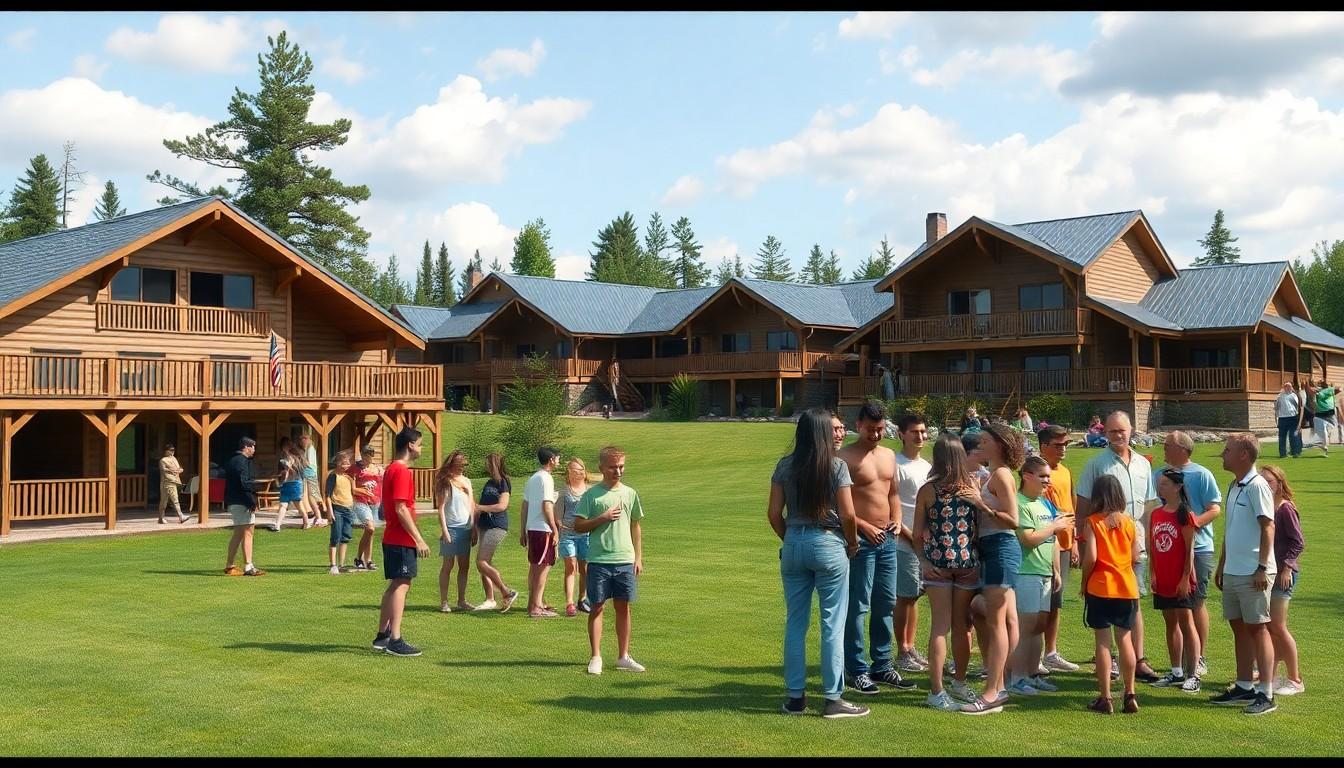
LGBTQ+ summer camps are giving young people something increasingly precious: room to relax, connect and feel understood. Across the US, these affirming outdoor communities offer queer youth a traditional camp experience without the pressure of hiding who they are, even as organisers face rising demand and serious financial strain.
Essential Takeaways
- A rare sense of ease: Camp gives LGBTQ+ young people space to relax without constantly monitoring how others see them.
- Demand is growing: Political hostility and anxiety have made affirming youth spaces more important, not less.
- Funding is fragile: Some organisers are facing major donor losses while trying to preserve their missions.
- Community is the real draw: Campers meet peers, trusted adults and LGBTQ+ role models in one place.
- Rest matters too: Time away from screens and conflict can help young people reconnect with themselves.
A place to put the outside world down
The first thing many campers notice is the quiet relief. Instead of scanning a room for judgement or worrying about whether a name, pronoun or identity will be challenged, they can get on with ordinary summer rituals: muddy shoes, late-night conversations, crafts and the slightly chaotic business of making friends.
That freedom is at the heart of LGBTQ+ overnight camps across the US. Organisations such as Brave Trails describe their programmes as leadership and community-building experiences, while Camp Seen has focused on outdoor connection for LGBTQ+ youth of colour. The appeal isn't simply that everyone shares an identity; it's that young people can take part without having to explain themselves first.
For some families, that makes camp feel less like a holiday and more like a reset button. According to LGBTQ Nation, organisers have seen campers arrive carrying political anxiety and leave with a stronger sense of connection and possibility.
Why the need feels sharper now
LGBTQ+ young people haven't suddenly become more aware of politics. The difference is that national debates increasingly spill into school life, family conversations and social media feeds, where teenagers encounter them day after day.
Brave Trails' mission centres on helping LGBTQ+ youth build confidence, leadership skills and supportive relationships. Other programmes, including One n Ten's outdoor offerings, similarly use activity and community to create a more welcoming environment. That combination matters because a climbing wall or canoe trip can open a door to conversation without making every moment feel like a counselling session.
Camp leaders have also had to respond to changing needs. Alongside games and wilderness activities, some programmes now make more room for discussions about safety, local rights and how to find support. It's a delicate balance: young people need honest information, but they also deserve a few hours when the headlines can stay outside the cabin.
The funding problem behind the fun
The cheerful images associated with summer camp can disguise a difficult reality. Running an overnight programme requires trained staff, safeguarding procedures, transport, food, insurance and suitable land. Inclusive camps often rely heavily on grants and donations, making them particularly exposed when funders retreat from LGBTQ+ work.
LGBTQ Nation reported that Camp Seen cancelled its 2026 season after losing most of its funding. The setback illustrates a painful contradiction: the political climate increases demand for safe spaces just as it makes those spaces harder to finance.
Other organisations are working to keep similar opportunities available. Camp Fire's 2SLGBTQ+ programmes and Outright's gender-inclusive retreat work show how varied the wider network has become, from youth camps to residential gatherings. For families looking for support, that breadth is encouraging, although places and funding can still be limited.
What parents should look for in an LGBTQ+ camp
A welcoming logo is a useful start, but it shouldn't be the whole test. Parents and carers should check the organisation's safeguarding policy, staff training, medical arrangements, approach to names and pronouns, sleeping arrangements, accessibility and process for handling bullying or conflict.
It's also worth asking whether the camp is designed for a particular age group or community. A programme for LGBTQ+ youth of colour may offer a different kind of cultural understanding from a general queer youth camp, while a gender-inclusive retreat may be better suited to a young person who wants a smaller, more focused setting.
Practical questions matter, too. Ask what happens if a camper becomes overwhelmed, how much phone access they'll have and whether there are clear arrangements for staying in touch with home. The best programmes don't pretend camp is a perfect bubble; they show young people how supportive community can work when disagreements and difficult feelings inevitably appear.
More than one week of belonging
The most valuable part of camp may continue long after the tents are packed away. Young people get to meet older LGBTQ+ staff and counsellors who are living recognisable, adult lives, offering something that can be difficult to find in a hostile public conversation: a glimpse of the future.
That message runs through the work of Brave Trails and other inclusive youth organisations. Campers aren't only told that they matter; they're shown what belonging can look like in practice, through friendships, mentoring and shared responsibility.
The wider landscape remains uncertain. Yet the persistence of these programmes is meaningful. As Denver7 reported in its coverage of Camp Seen, outdoor experiences can provide both safety and confidence for LGBTQ+ youth of colour. Sometimes a canoe, a campfire or a quiet conversation is where a young person starts imagining a life that feels possible.
Camp shouldn't have to carry such a heavy burden, but for many LGBTQ+ young people, it remains a powerful place to breathe.
Explore LGBTQ+ youth programmes that offer safety, community and room to be fully yourself.
Source Reference Map
Story idea inspired by: [1]
Sources by paragraph:
- Paragraph 1: [3], [4]
- Paragraph 2: [3], [7]
- Paragraph 3: [2], [5]
- Paragraph 4: [3], [4]
- Paragraph 5: [2], [6]
- Paragraph 6: [5], [6]
- Paragraph 7: [2], [7]
- Paragraph 8: [3], [4]
- Paragraph 9: [5], [6]
- Paragraph 10: [3], [4]
- Paragraph 11: [2], [7]
- Paragraph 12: [3], [5]
- Paragraph 13: [4], [6]
- Paragraph 14: [5], [7]
- Paragraph 15: [3], [6]
- Paragraph 16: [2], [7]
- Paragraph 17: [4], [5]
- Paragraph 18: [3], [7]
- Paragraph 19: [2], [6]
- Paragraph 20: [4], [7]