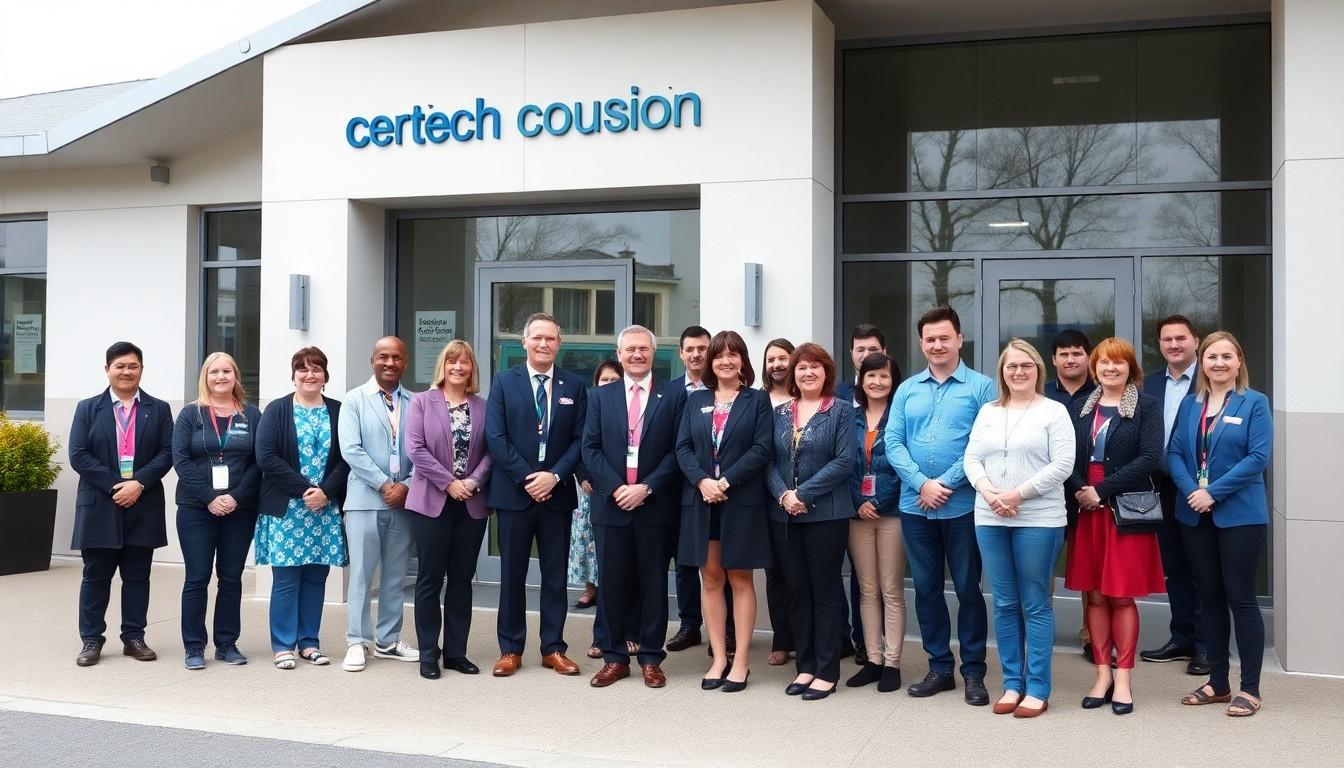
Launceston has backed its first LGBTIQA+ Action Plan, promising practical steps to make life safer, more visible and more welcoming for queer communities across the Tasmanian city. The unanimous council vote matters because it moves inclusion beyond symbolic support, linking staff training, public events, services and anti-stigma work with the everyday experience of residents.
Essential Takeaways
- Unanimous backing: Launceston City Council approved its first LGBTIQA+ Action Plan at a council meeting.
- Practical measures: The plan includes staff training, business workshops, service information and support for Pride events.
- Community-led approach: An advisory group will help guide implementation and consultation.
- A wider Tasmanian shift: Launceston becomes the fifth Tasmanian municipality to adopt a dedicated plan.
- Visibility matters: Proposed public art, historical interpretation and a possible Pride hub would give queer history and community life a more visible place in the city.
Launceston’s vote turns support into a plan
The strongest message from Launceston’s decision is that inclusion is being treated as local infrastructure, not simply a statement on a council website. The plan sets out a series of actions intended to shape how residents encounter council services, public spaces and community organisations.
According to Out in Perth, the decision followed moving contributions from local advocates and professionals, including a young trans woman, a gay father, an LGBTIQA+ support worker, a public health academic and an equality campaigner. Their involvement gave the vote a distinctly human edge: this is about whether people feel comfortable being seen, heard and safe in their own city.
The council’s approach also reflects a broader public-health argument. Inclusive communities can draw on a wider mix of experiences and ideas, while reducing the isolation that often follows discrimination. It’s a fairly simple principle, but one that can make a quiet difference at the library, in a workplace or while accessing healthcare.
What will the LGBTIQA+ Action Plan do?
The plan’s commitments cover several parts of city life. Council staff training is intended to improve understanding of LGBTIQA+ issues, while workshops for businesses and service clubs should help organisations offer more confident and respectful support.
A central information point for LGBTIQA+-inclusive services is another particularly practical measure. Finding the right support can be exhausting when information is scattered, outdated or unclear, so a trusted local signpost could save residents time and uncertainty.
The council has also committed to supporting Pride events, LGBTIQA+ public art and historical interpretation. A potential Pride hub is still at the scoping stage, but the idea points towards a more permanent home for community activity rather than relying only on occasional celebrations.
Why anti-stigma work matters locally
The action plan arrives against a backdrop of continuing concern about discrimination. Homophobic graffiti has been reported in Tasmania’s Northern Midlands, close to Launceston, while findings from a state inquiry highlighted the disproportionate bullying experienced by LGBTIQA+ students.
That makes the proposed city-wide anti-stigma campaign more than a branding exercise. Done well, such a campaign can make expectations clearer, challenge casual prejudice and show young people that local institutions recognise their lives.
Tasmania has also been developing wider policy responses. The state government’s LGBTIQA+ Health Action Plan places health and inclusion within a broader public-service framework, giving councils a useful backdrop for local measures. The real test, however, will be whether residents notice changes in training, services and accountability.
Launceston joins a growing Tasmanian movement
Launceston is now the fifth Tasmanian municipality to adopt an LGBTIQA+ action plan, following Kingborough, Glenorchy, Hobart and Burnie. That sequence suggests councils are increasingly recognising that national or state-level commitments need a local expression.
Burnie’s stand-alone plan, reported by Tasmanian Times, shows how smaller cities are also putting dedicated LGBTIQA+ policy on their agendas. Glenorchy’s initiative, covered by Out in Perth, similarly demonstrates the role councils can play in coordinating community services and public visibility.
There’s a useful lesson here for other municipalities: progress doesn’t have to begin with a huge programme. Staff training, clear service directories, community consultation and support for local events can provide a sturdy starting point. The important thing is that promises have somewhere to go once the meeting ends.
Queer history gives the plan deeper roots
Launceston’s decision also follows the opening of a major LGBTIQA+ history exhibition at the Queen Victoria Museum and Art Gallery. The exhibition traces the city’s queer history back to 1800, placing contemporary inclusion within a much longer local story.
That historical context matters. Public recognition can be especially powerful when it shows that queer people haven’t suddenly appeared in civic life; they’ve been part of the city’s story all along, even when records and institutions failed to acknowledge them.
For residents, the combination of history, services and future planning could make inclusion feel less like a once-a-year gesture and more like part of Launceston’s character. As the advisory work begins, attention will turn to delivery, consultation and the small practical details that determine whether a plan feels real.
A council vote is only the beginning, but it’s a promising one.
Closing Line
Launceston’s next challenge is to turn a strong promise into everyday belonging.
Source Reference Map
Story idea inspired by: [1]
Sources by paragraph: