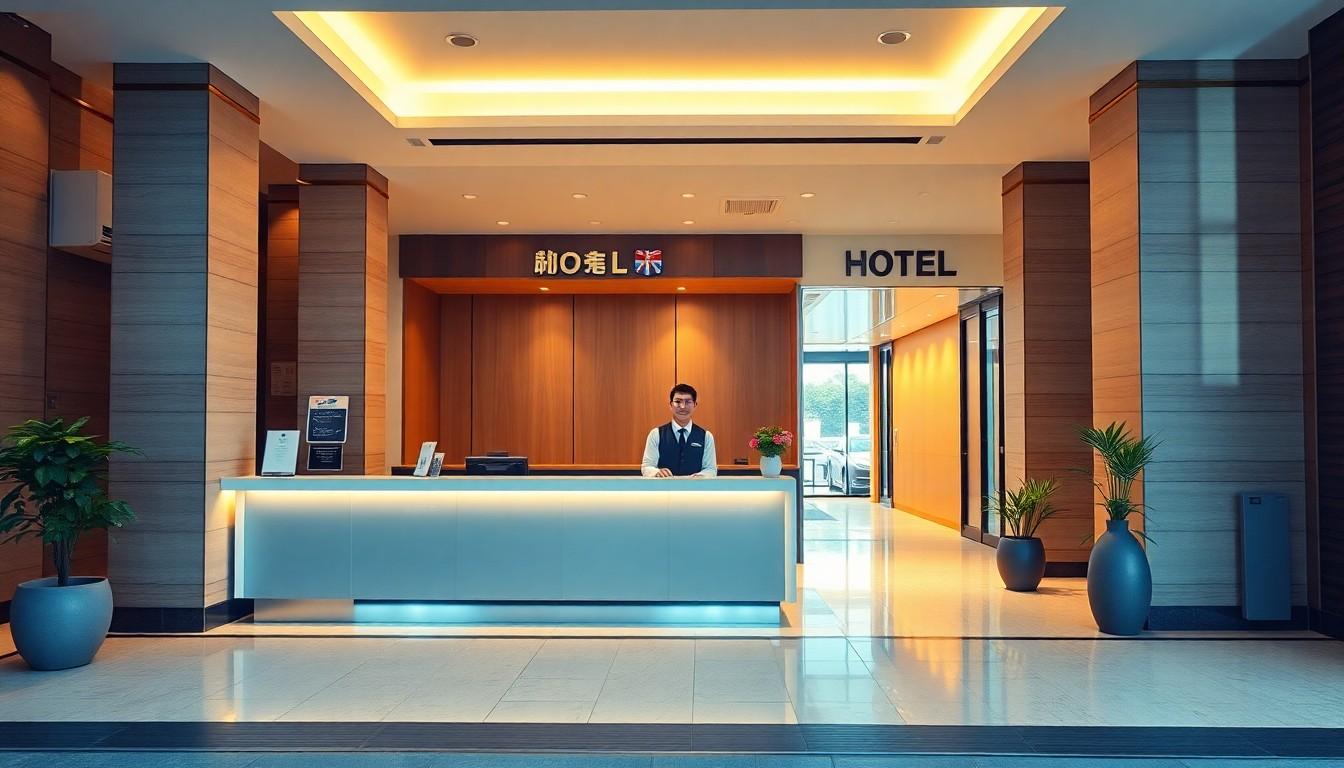
Travellers are looking beyond Japan's headline attractions for LGBTQ+-friendly experiences, from Tokyo's lively Shinjuku Ni-chome to Osaka's Doyama district and quietly luxurious stays. With thoughtful planning, respectful local encounters and a slower pace, Japan can offer a trip that feels both welcoming and genuinely personal.
Essential Takeaways
- Tokyo's queer heart: Shinjuku Ni-chome is known for its compact bars, welcoming atmosphere and lively evening scene.
- Osaka offers another perspective: Doyama provides LGBTQ+ nightlife and a different urban rhythm from Tokyo.
- Luxury means attentiveness: Japan's strongest premium experiences often centre on meticulous service, calm surroundings and thoughtful hospitality.
- Slow travel works best: Fewer destinations allow more time for food, neighbourhoods, regional culture and spontaneous discoveries.
- Plan with cultural awareness: Customs, discretion and respectful behaviour can make social encounters smoother and more enjoyable.
Japan's appeal goes well beyond the postcard view
Japan's appeal is easy to understand: one journey can move from neon-lit streets and excellent sushi to hushed temples, mountain scenery and beautifully designed hotels. For LGBTQ+ travellers, that variety is increasingly matched by opportunities to connect with visible communities and inclusive travel experiences.
The most rewarding trips, however, aren't built around ticking off every landmark. They mix famous sights with small restaurants, independent galleries, neighbourhood walks and local venues where the atmosphere feels more lived-in than staged. Travel + Leisure has highlighted Japan's appeal for LGBTQ+ visitors, particularly those looking for culture alongside city energy.
That balance matters because Japan can feel both highly familiar and wonderfully elusive. The trains are efficient, the streets are orderly, and yet the most memorable moments may arrive in a tiny bar, a quiet tea room or an unplanned conversation.
Where LGBTQ+ travellers can find community in Japan
Tokyo remains the obvious starting point, and Shinjuku Ni-chome is its best-known LGBTQ+ district. The neighbourhood is dense rather than sprawling, with small bars and social venues tucked into compact streets. Tokyo Weekender describes it as a distinctive part of the capital's nightlife, where the intimacy of the spaces is part of the experience.
Visitors shouldn't expect every venue to operate like a large international club. Many places are small, personal and shaped by regular customers, so a little patience and courtesy go a long way. Checking entry arrangements, opening hours and any venue-specific expectations before heading out is sensible.
Osaka brings a different mood. The Doyama area has an established LGBTQ+ scene, offering bars and nightlife in a city known for its friendly, informal energy. Osaka's official tourism information presents Doyama as a lively evening destination, making it a useful addition for travellers who want more than one urban perspective.
Japanese luxury is often quiet, precise and deeply personal
Japan's idea of luxury isn't always about grand lobbies or oversized suites. Often, it's the immaculate room, the perfectly timed welcome, the carefully prepared meal and the feeling that every detail has been considered before you arrive.
That spirit is closely associated with omotenashi, a style of hospitality rooted in anticipation and attentiveness. It can be found in high-end hotels, traditional ryokan stays, private dining and cultural experiences arranged around a guest's interests. The result is less showy than some luxury travel and, frankly, often more affecting.
For LGBTQ+ travellers, accommodation choice still deserves proper attention. Look for properties with clear guest policies, strong recent reviews and a track record of serving international visitors comfortably. Japan's national tourism organisation promotes the country as an LGBTQ+-friendly destination and offers practical inspiration for planning a considerate, enjoyable visit.
Build a slower itinerary instead of chasing every city
Japan's rail network makes ambitious journeys look deceptively easy. Tokyo, Kyoto, Osaka, Hiroshima, Hokkaido and Okinawa can all seem possible on one map, but constant packing and unpacking soon turn excitement into admin.
A better approach is to choose two or three anchors and let the journey breathe. You might pair Tokyo with Kyoto and Osaka, then add a smaller regional stop if time allows. An open-jaw route, such as arriving in Tokyo and departing from Osaka, can also reduce backtracking.
This slower style creates room for the experiences that don't fit neatly into a timetable: a long lunch, a local bathhouse, a craft workshop or an evening spent getting to know one neighbourhood. It also gives travellers more flexibility if weather, fatigue or a particularly good restaurant changes the plan.
Small details can make an inclusive trip feel easier
Research helps, especially when a trip includes nightlife or specialist cultural experiences. Check whether a venue welcomes visitors without Japanese language skills, whether reservations are needed and whether photography is appropriate. In intimate spaces, discretion is more than good manners; it helps preserve the atmosphere for everyone.
It also pays to remember that LGBTQ+ visibility varies by place. Major cities may offer recognisable community hubs, while smaller towns can feel more private and conventional. That doesn't automatically mean unwelcoming, but travellers should avoid assuming that attitudes and social customs are identical everywhere.
A specialist travel adviser can be useful for arranging trusted guides, ryokan stays, food tours and less obvious cultural experiences. Travel Weekly has noted the wider shift towards LGBTQ+ travel planning that prioritises personal relevance and authentic connection, rather than simply listing destinations as gay-friendly.
Japan's next chapter is more personal travel
The direction of LGBTQ+ travel is changing. Many visitors now want reassurance and inclusion, but they also want a story to bring home: a meal shared with locals, a hidden street discovered after dark or a regional tradition understood through first-hand experience.
Japan is well placed for that kind of journey. Its combination of excellent transport, cultural depth and attentive hospitality makes it possible to travel comfortably while still leaving room for surprise. As the Japan National Tourism Organization's guidance suggests, an LGBTQ+-friendly trip can be about much more than nightlife.
The best advice is simple: arrive curious, plan the essentials and leave enough space for the unexpected. Your most treasured memory may not be the landmark you photographed, but the quiet, human moment that happened between stops.
Choose the places, pace and experiences that feel right for you.
Source Reference Map
Story idea inspired by: [1]
Sources by paragraph:
- Paragraph 1: [2], [3]
- Paragraph 2: [4], [7]
- Paragraph 3: [5]
- Paragraph 4: [6], [3]
- Paragraph 5: [2], [3]
- Paragraph 6: [4], [7]
- Paragraph 7: [3], [4]
- Paragraph 8: [3], [7]
- Paragraph 9: [5], [6]
- Paragraph 10: [2], [3]
- Paragraph 11: [4], [7]
- Paragraph 12: [3], [5]
- Paragraph 13: [6], [7]
- Paragraph 14: [2], [4]
- Paragraph 15: [3], [7]
- Paragraph 16: [2], [3]
- Paragraph 17: [4], [7]
- Paragraph 18: [3], [5]
- Paragraph 19: [2], [4]