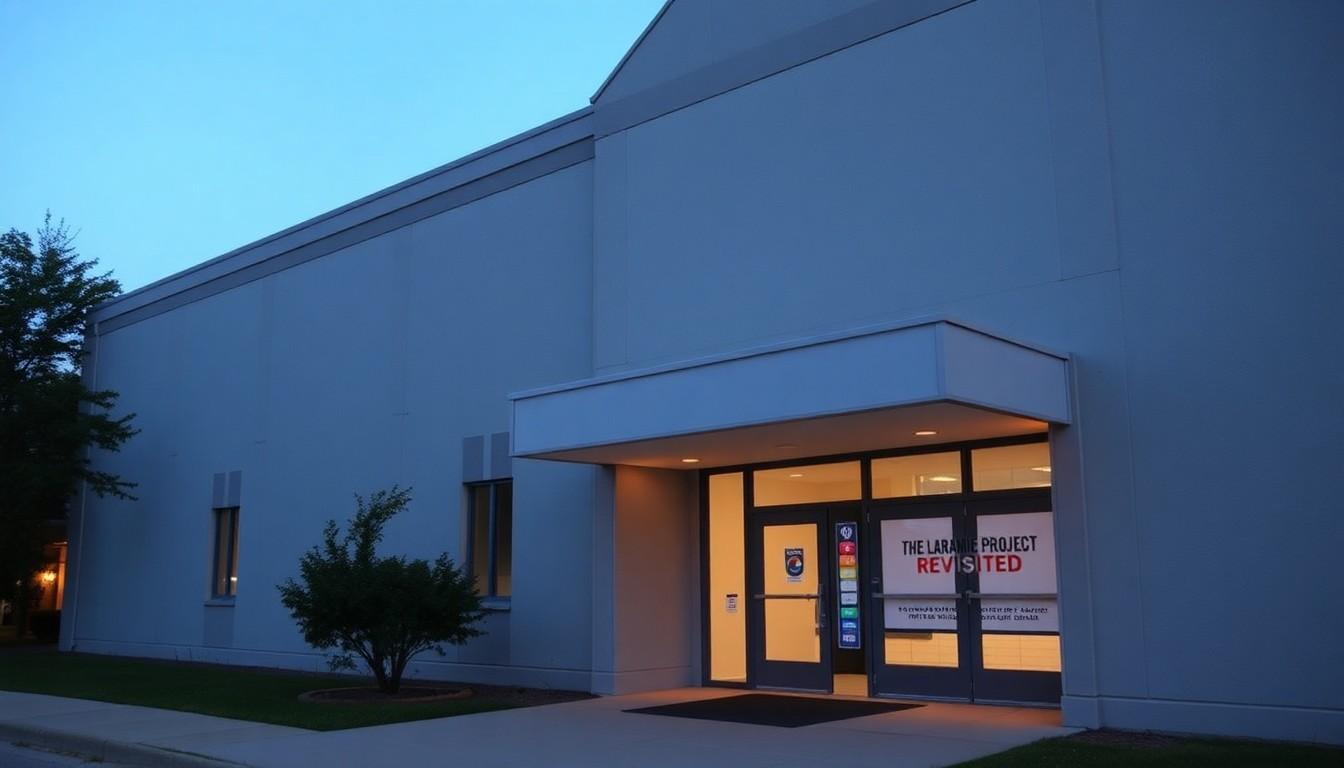
Shoppers are turning to conversation , and theatre , to build safer spaces: a free Sept. 18 event in Columbus pairs a live discussion, virtual guest Dennis Shepard and a community panel to explore practical allyship, advocacy and why proactive support matters now.
Essential Takeaways
- Event basics: Free public gathering on Sept. 18 at Unitarian Universalist Congregation of Columbus, doors 6 p.m., programme 7 p.m., snacks provided.
- High-profile voice: Dennis Shepard, father of Matthew Shepard and long-time LGBTQ+ advocate, will join virtually for conversation and audience Q&A.
- Theatrical frame: Director Eric Heyob will discuss The Laramie Project, a play that has driven community conversations about hate and healing; the production’s emotional heft is palpable.
- Practical focus: The evening aims to move beyond reaction to discrimination toward building everyday practices that help people feel respected and valued.
- Community tone: Open to anyone willing to listen and learn, with a hopeful, action-oriented outlook rather than finger-pointing.
Why this event matters now: theatre as a civic mirror
The strongest reason to show up is simple: theatre can hold a mirror to a town in a way statistics can't, and The Laramie Project still hits with a quiet, aching clarity. According to community theatre pages, productions of the play consistently prompt post-show talkbacks that steer people from shock to concrete action. Expect honesty and a few quiet moments , the sort that make a room re-evaluate how safe everyone really feels.
The event pairs performance context with lived experience, so the emotional pay-off is personal and practical. If you care about building a place where neighbours feel respected, this is a chance to hear from people who’ve had to turn grief into advocacy.
Who’s on stage and why their voices count
Dennis Shepard's presence via video is a meaningful anchor. Families of victims who become advocates tend to turn their pain into policy and education; his perspective often centres on remembrance, hope and systemic change. The Laramie Project’s director, Eric Heyob, will add artistic context, explaining how the play was made to give voice to a whole community rather than a single headline.
Having both an advocate and a director together means the night will move between the lived, the civic and the creative. That mix helps people see how culture and policy interact, and why both matter for everyday safety.
What to expect: format, atmosphere and takeaways
Doors open at 6 p.m. for a casual, welcoming atmosphere with refreshments, and the programme begins at 7 p.m. You’ll get a virtual conversation and Q&A with Dennis Shepard, a discussion with Eric Heyob, then a local community panel exploring advocacy, allyship, challenges and hope.
Practically speaking, bring questions, and be ready for listening. Events like this often encourage small next steps: forming ally groups, updating school policies, or hosting follow-up workshops. If you’re nervous about asking the “wrong” thing, remember: organisers designed this as a learning space.
How to turn what you hear into action
Take notes, then pick one concrete thing to try in the week after the event , a classroom resource, a line in a workplace policy, or simply a conversation starter to ask friends how included they feel. Local panels typically share resources, and organisers often point to community groups where volunteers are needed.
If you’re an employer or teacher, use the evening as a springboard for staff training or curriculum review. If you’re a neighbour, consider a small kindness campaign: welcoming signs, inclusive language, and a commitment to intervene safely when you witness harassment.
Looking ahead: small shifts, meaningful change
Events like this don’t fix everything overnight, but they change the tone of a conversation. When communities pair testimony with theatre and practical panels, they’re more likely to move from reacting to building resilient, everyday support for LGBTQ+ people.
It’s a small change that can make every conversation safer.
Source Reference Map
Story idea inspired by: [1]
Sources by paragraph: