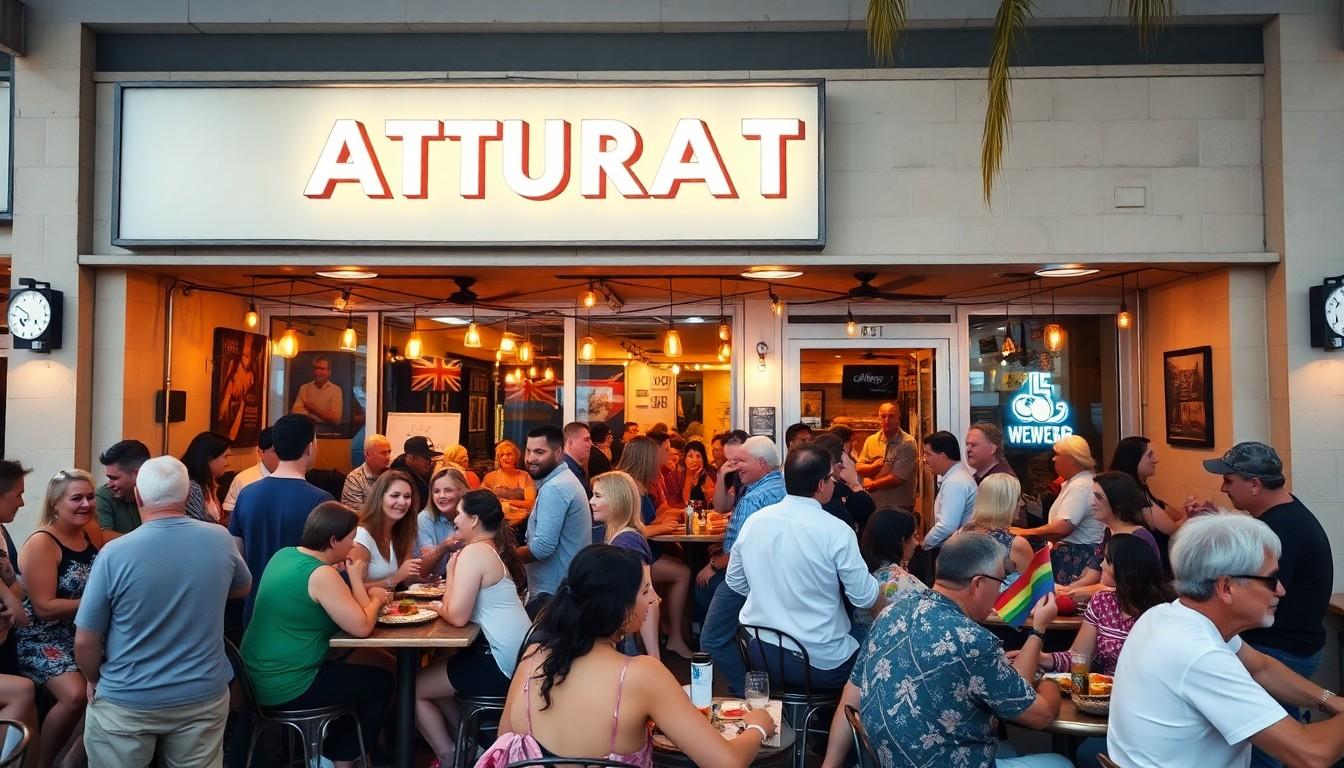
Notice how easy it is to love queer culture online , then forget the places that built it. Shoppers and patrons across the US are increasingly skipping the local gay bar, bookshop or drag night, and that matters for belonging, history and everyday joy. Here’s why showing up still counts, and how to do it.
Essential Takeaways
- Community spaces matter: Physical LGBTQ+ venues offer intergenerational connection and a sense of belonging that apps and feeds can't replace.
- Numbers show change: Research finds shifts in how LGBTQ+ people socialise, with digital contact growing as in-person hangouts decline.
- Local pressure is real: Rising rents and costs squeeze queer-owned venues, especially in once-stable neighbourhoods.
- Small actions add up: Visiting, spending, volunteering or bringing a friend can make a measurable difference to survival.
- Mental-health payoffs: In-person connection reduces loneliness and supports well-being more than virtual-only ties.
Why walking into a queer space still feels different
There’s a warmth to entering a room where people recognise the same cultural references, slang and history , a soft, reassuring hum you won’t get in a forum thread. According to Pew Research, many LGBTQ+ adults report that community spaces and in-person friendships remain important even as digital life grows. That face-to-face contact often delivers emotional benefits that scrolling can’t match.
Those venues have historically been more than businesses; they were living rooms where activism, mentorship and romance happened. So while apps make introductions easier, they don’t replace the accidental mentor or the elder who quietly passes on hard-won wisdom. If you want that mix of comfort and surprise, you’ll find it in a local queer café, bar or community centre.
The economic squeeze: why beloved spots are vanishing
Across cities, rent increases and higher operating costs are pinching neighbourhoods that once felt secure. Wilton Manors in Florida , a neighbourhood frequently cited as a queer hub , grew through decades of community investment and remains a cautionary example: success draws interest, and interest drives up prices. When proprietors can’t keep up, cultural institutions fold or move, and the fabric of local queer life thins.
This isn’t just coastal drama. Smaller towns see the same pattern when a single venue closes and there’s no substitute. The result is fewer safe places to meet, celebrate and organise. Practically speaking, supporting queer-owned businesses isn’t charity , it’s a vote for the kind of city or town you want to live in.
Digital life helps, but it isn’t community by itself
There’s no denying that social media, dating apps and livestreams have broadened queer networks. Pew’s reporting on social trends shows that many LGBTQ+ people embrace these tools for connection. But a steady diet of online interaction can leave people feeling more isolated, not less, especially when interactions lack physical presence.
If your calendar is full of virtual events, try the hybrid approach: attend an in-person show after watching a drag stream, or take an online friend to a local queer art opening. These small bridges turn followers into real-world companions and help venues feel the benefit of your digital attention.
How to show up without strain , practical, low-effort ways to help
You don’t have to host fundraisers or buy expensive tickets to make an impact. Simple, consistent choices matter: pick a queer-owned café for brunch once a month, tip generously at gigs, sign up for a volunteer shift at your local community centre, or invite a newcomer to the next poetry night. If cost is an issue, offer time or skills , helping with marketing, cleaning, or social media can be as valuable as a bar tab.
When choosing events, think intergenerational. Bringing a younger friend to a venue where older patrons gather helps rebuild the continuity that was once taken for granted. And if you can, join a membership or give a monthly donation; predictable income is the lifeline small venues need.
Well-being, resilience and reasons for hope
Researchers link in-person social support to better mental health outcomes among LGBTQ+ people, especially when community ties are strong. That suggests the stakes here are both cultural and clinical: preserving local spaces helps reduce loneliness and builds resilience.
There are hopeful signs: some communities are intentionally reinvesting in queer districts, and creative pop-ups or co-operatives are filling gaps. But those experiments need participants , not just viewers. Your attendance, your applause and your spending are small gestures that sustain places where people can finally exhale.
It's a small change that can make every night out a vote for the future of queer community.
Source Reference Map
Story idea inspired by: [1]
Sources by paragraph: