Shoppers are turning to community-led care as a powerful response: the Latino Commission on AIDS brings its national work to Los Angeles on 16 September, offering an autumn moment to remember, mobilise and invest in culturally competent HIV prevention, testing and leadership for Latino LGBTQIA+ people.
Essential Takeaways
- Historic mission: The Latino Commission on AIDS began in 1990 to address language barriers, stigma and unequal healthcare access in Latino communities.
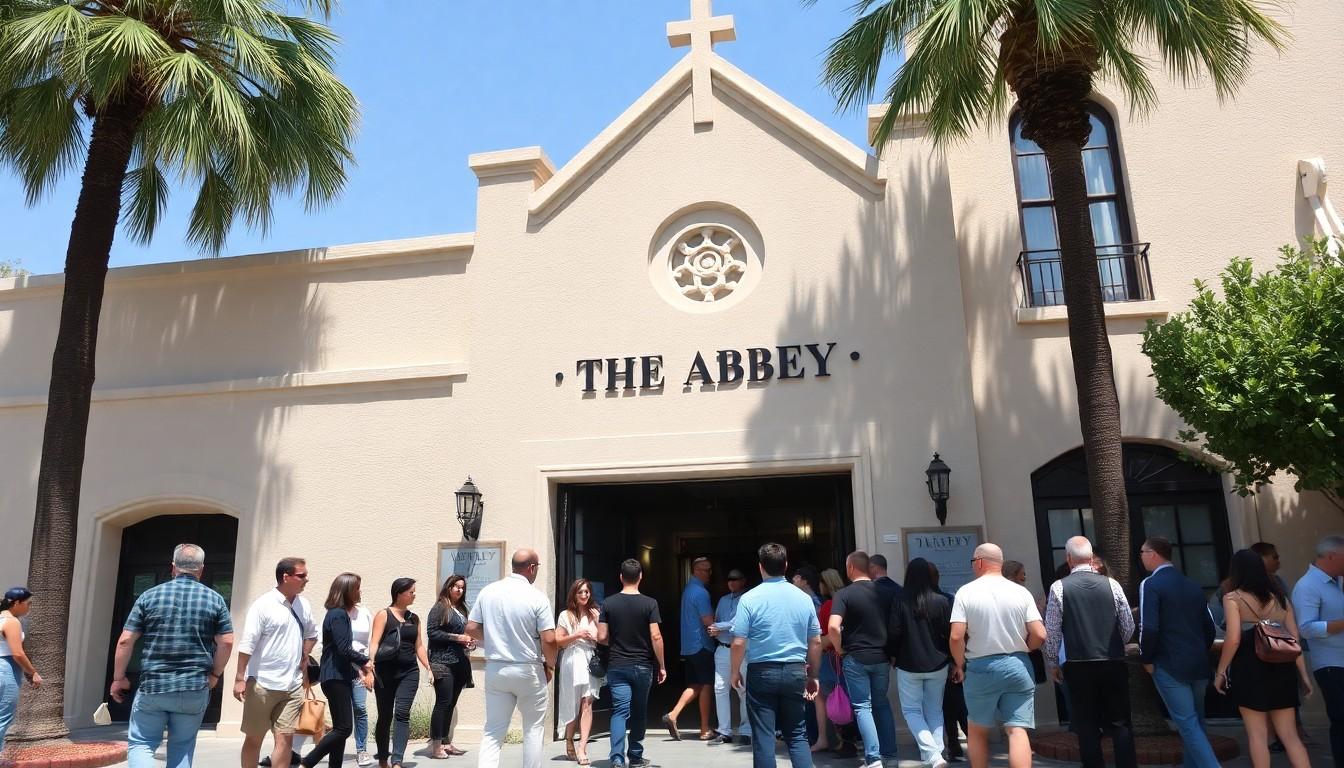
- Local moment: A reception at The Abbey on 16 September links national programmes to Los Angeles’ vibrant Latino LGBTQIA+ networks.
- NLAAD anchor: National Latino AIDS Awareness Day (15 October) remains a focal point for testing, education and stigma-busting outreach.
- Southern focus: The Commission expanded work into the South, Texas and Florida to support under-resourced, community-led groups.
- Practical ask: Donations and partnerships help fund culturally and linguistically appropriate services that actually reach people.
Why this Los Angeles reception matters now
The simple sight of a community hall filled with people who understand your language and your life feels both comforting and political, and that’s precisely what organisers hope to create. The Commission’s reception at The Abbey is being billed not only as a fundraiser but as a bridge between national infrastructure and local organisers. According to the Commission’s own framing, linking national campaigns with city partners helps close gaps in care where stigma and language have long been barriers. If you live in LA and care about HIV prevention or support for Latino LGBTQIA+ people, this is a chance to plug into work that blends memory, advocacy and practical services.
A history that shaped strategy
The Commission was born in 1990 amid the worst years of the AIDS epidemic, when misinformation and marginalisation meant many Latino people were left out of prevention and care. The organisation’s early focus on culturally and linguistically tailored education grew from necessity: public-health messages that don’t speak someone’s language rarely land. So the Commission built outreach, leadership training and advocacy alongside testing services. That history explains why the group prioritises community networks today , it’s not just about clinics, it’s about trust.
National Latino AIDS Awareness Day still drives action
National Latino AIDS Awareness Day on 15 October is the annual spike that turns talk into testing and testing into treatment. Created by the Commission and the Hispanic Federation in 2003, NLAAD has become a backbone for concentrated outreach , free tests, bilingual information and anti-stigma campaigns. Health agencies use the day to coordinate events and push metrics, and community groups often see a real uptick in engagement. If you’re organising locally, tie events to NLAAD for visibility and resources; if you’re attending, expect easy-access testing and a focus on practical prevention like PrEP information.
Why the South expansion matters for LGBTQIA+ people
In the mid-2000s the Commission widened its focus to the South, later adding Texas and Florida, precisely because data showed growing needs there. Latino gay and bisexual men in some Southern areas saw rising HIV diagnoses, while grassroots groups had limited funding. The Commission’s regional convenings, capacity-building grants and leadership programmes aim to strengthen local responses where stigma and immigration concerns can compound risk. For funders and volunteers, this is a reminder that services in non-traditional hubs need long-term support, not just episodic attention.
How Angelenos can make a practical difference
You don’t need to be an expert to help. Show up to events like the September reception, volunteer with local clinics, or donate to community groups that offer bilingual services and culturally competent care. If you run a business, consider sponsorships or workplace outreach tied to NLAAD. And if you’re looking after someone, ask about testing and PrEP in a way that centres confidentiality and cultural sensitivity. Small gestures , a translated flyer, a trained Spanish-speaking counsellor , often change whether someone seeks care.
It's a small change that can make every outreach moment safer and more effective.
Source Reference Map
Story idea inspired by: [1]
Sources by paragraph: