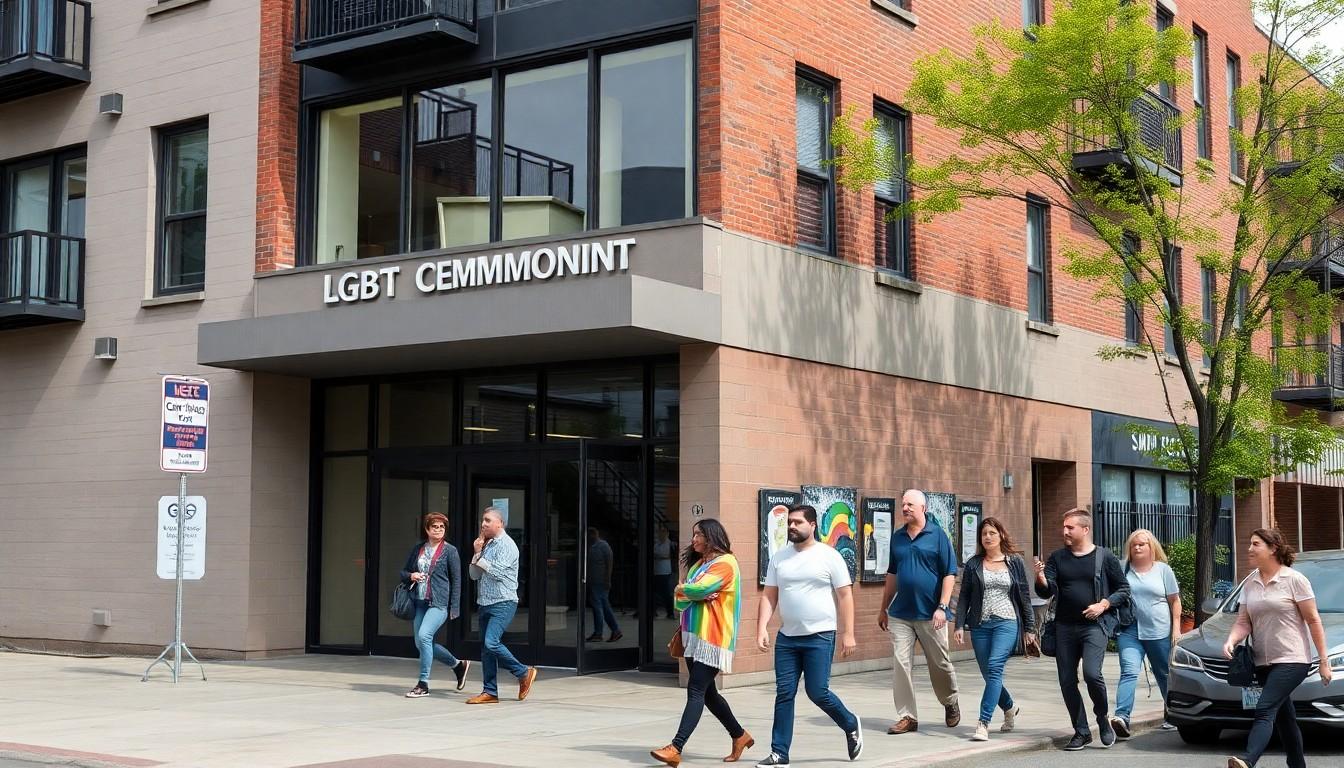
Notice the pattern: recent reports from Arizona to Indonesia show an alarming uptick in violent incidents targeting LGBTQ+ people, organisers and public spaces , and tracking them matters because it helps communities respond, prevent harm and demand accountability.
Essential Takeaways
- Widespread rise: Multiple data and advocacy groups recorded spikes in anti-LGBTQ+ incidents across 2025–26, suggesting the problem is national and international, not isolated.
- Targets include leaders and venues: Reports show attacks often aimed at LGBTQ+ organisers, businesses and gathering spots, with some assailants bringing weapons or lists of targets.
- Underreported deaths: Trans people’s violent deaths during the same timeframe drew far less headline attention, highlighting reporting gaps and marginalisation.
- Institutions lagging: Schools and other institutions often failed to act decisively after assaults on LGBTQ+ students and community members, according to record reviews.
- Document and share safely: Collecting timely, verified details helps activists and officials mount responses and alerts, while safety and privacy must come first.
Why the recent incidents feel different , and riskier
The immediate gut reaction many of us have had is one of shock, because several recent attacks weren’t random outbursts but appeared planned, with lists of targets, multiple perpetrators or heavy weapons involved. That pattern raises the stakes: planned violence aimed at community leaders or well-known venues puts more people at risk and sows fear across entire networks. According to advocacy groups tracking 2025 and 2026 trends, incidents rose across regions and contexts, which makes local reports part of a broader pattern rather than isolated tragedies.
Leaders and public spaces are being targeted , what that means
When organisers, activists or the venues that host them are singled out, the harm goes beyond physical injury. It disrupts events, discourages attendance and can chill the public work of advocacy. Reports from several cities and countries show that attackers sometimes gathered information in advance , lists of businesses or known community figures , which points to a deliberate strategy of intimidation. That’s why safe planning, visible security where possible, and rapid communication channels are increasingly essential for community groups and venue operators.
Data show a worrying trend, but numbers only tell part of the story
Groups monitoring anti-LGBTQ+ incidents documented substantial increases in reports during 2025 and into 2026, and major LGBTQ organisations compiled thousands of incidents nationwide in recent years. Those tallies matter because they pressure authorities and funders to act, but they also understate the true scale. Many assaults and threats go unreported, and deaths of trans people in particular have been inconsistently covered by mainstream outlets. Advocacy organisations say better, standardised reporting would offer a clearer picture and stronger basis for prevention.
Where institutions fall short , schools, police and public agencies
Record reviews indicate that schools and other institutions often didn’t follow through when LGBTQ+ students reported assaults, leaving victims exposed and emboldening perpetrators. Similarly, community members frequently report slow or inadequate responses from law enforcement, which undermines trust and reporting. This pattern suggests the need for clearer protocols, better training on bias-based incidents, and community oversight so survivors see concrete action rather than silence.
Practical steps for community safety and accountability
If you’re organising or attending events, simple precautions help: share safety plans with staff and volunteers, limit publicised attendee lists, and set up rapid-alert channels for attendees. For survivors and witnesses, documenting incidents, saving evidence and reporting to both local advocates and authorities creates parallel records that can be crucial later. Advocacy groups recommend coordinated incident-tracking, public transparency on responses, and pressing institutions for better prevention and survivor support.
It's a heavy subject, but paying attention and documenting what happens helps communities stay safer and keeps pressure on institutions to do more.
Source Reference Map
Story idea inspired by: [1]
Sources by paragraph: