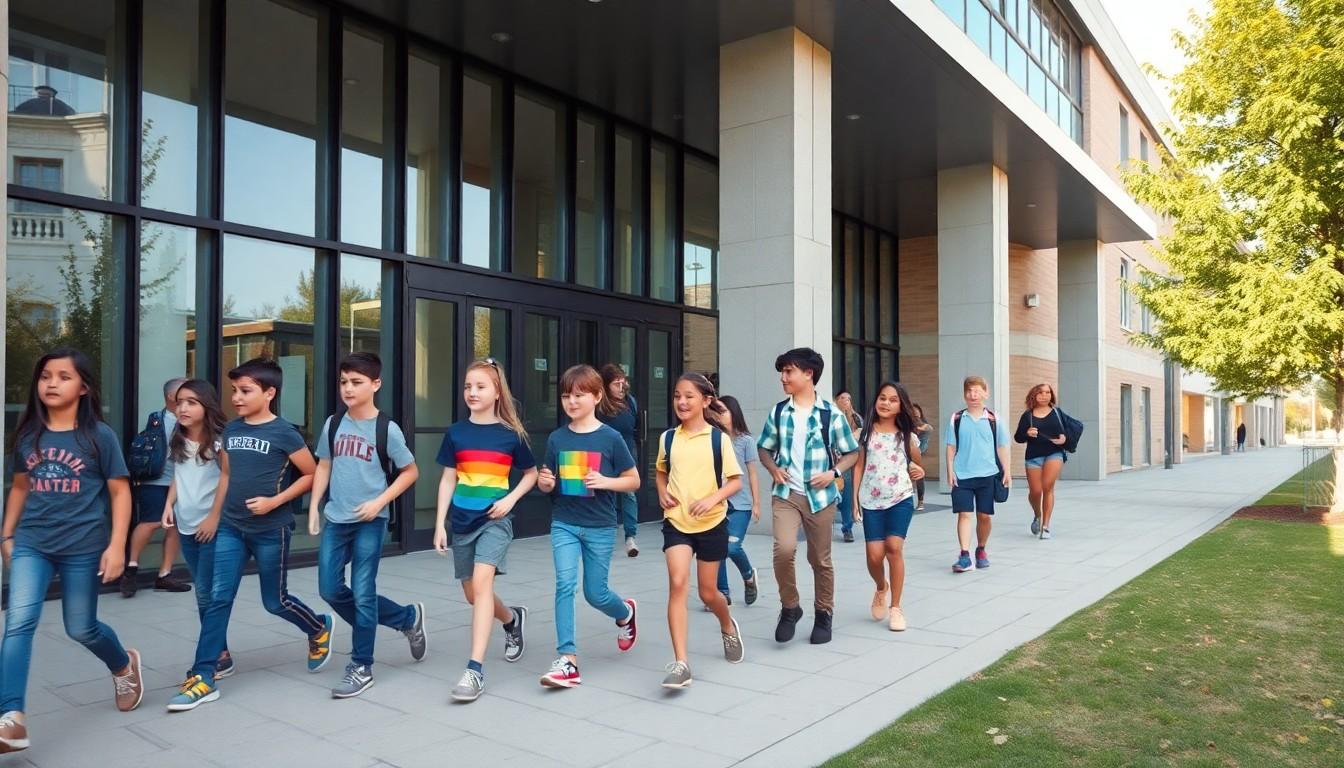
Notice how children mirror the world they grow up in , and why what they learn at school about gender, families and dignity matters for the whole country. This piece looks at who’s arguing over “gender ideology”, what’s at stake for girls, boys and LGBTIQ+ youth in Colombia, and practical steps schools and policymakers can take to protect childhoods.
Essential Takeaways
- Hate is taught: Language, jokes and public speeches can normalise contempt and escalate into discrimination or violence.
- Progress stems from struggle: Advances for women and LGBTIQ+ people come from decades of social movements and costly activism.
- Education’s role: Teaching diversity is about preventing abuse and exclusion, not promoting any particular identity.
- Practical fix: Open, evidence-based dialogue and technical review panels can improve curricula without erasing protections.
- Emotional reality: Children in diverse families exist and need recognition, safety and clear routes to help.
Why every classroom becomes a mirror , and why that matters
Schools are where kids first test the world beyond home, and you'll notice the atmosphere: friendly, hostile, curious or frightened. When authorities frame diversity as a threat, those words echo in corridors and playgrounds, making some children feel unsafe. According to reporting and civil-society accounts, Colombia’s long history of violence means even casual contempt can harden into exclusion or worse. That’s why education policy needs to treat language and representation as safety tools, not culture-war prizes.
What the debate over "gender ideology" is really about
The phrase “ideology of gender” has become shorthand for a political fight that pits certain religious and conservative views against rights-based approaches. But behind the slogan are real lives: students questioning their identity, children from diverse families and girls facing gendered violence. International and regional discussions have fed both advances and pushbacks, so it's important to judge proposals by their effects on dignity and protection, not their provenance. Policymakers should ask whether a policy reduces harm or deepens fear.
Lessons from decades of activism and painful headlines
Progress in recognising diverse families and protecting women and LGBTIQ+ people didn't arrive spontaneously. It was won through marches, litigation and lives risked. The press has documented brutal reminders , femicides and threats against activists , that show why protections matter. Those hard-won gains translated into policies, reporting mechanisms and prevention programmes that schools and child services now use. Scrapping or ignoring those measures risks erasing protections that vulnerable children and adults depend on.
How schools can teach diversity without “indoctrinating”
Teaching diversity isn't about instructing children in an orientation or identity; it's about creating skills to spot abuse, challenge stereotypes and live with difference. Practical classroom steps include age-appropriate materials about family variety, training for teachers to intervene in bullying, and clear protocols for reporting sexual violence. Institutions like the ministry of equality already run programmes addressing violence against women; education can and should align with similar safeguards for children and LGBTIQ+ students.
A realistic path: dialogue, technical review and listening
Replacing one set of certainties with another won't solve conflict. A better route is an open national conversation that brings together parents, teachers, religious leaders, experts, social movements and young people themselves. Set up a technical review panel to audit curricula and materials, preserve what protects rights, and recommend clear, evidence-based improvements. Listening is not surrendering , it's governance. Leaders advising educational policy should seek counsel from organisations experienced in child protection and inclusion.
What to watch for next , language, policy and responsibility
Words from the top carry weight. When ministers and agency heads speak, they either reassure a frightened child or validate prejudice. Watch whether institutions commit to consultation, transparent review and safeguarding measures, or whether they rush to erase existing protections. If authorities call for revisions, demand a technical, public process with measurable criteria and timelines so decisions are accountable and grounded in evidence.
It's a small change to insist our schools teach respect, but it can make every childhood safer.
Source Reference Map
Story idea inspired by: [1]
Sources by paragraph: