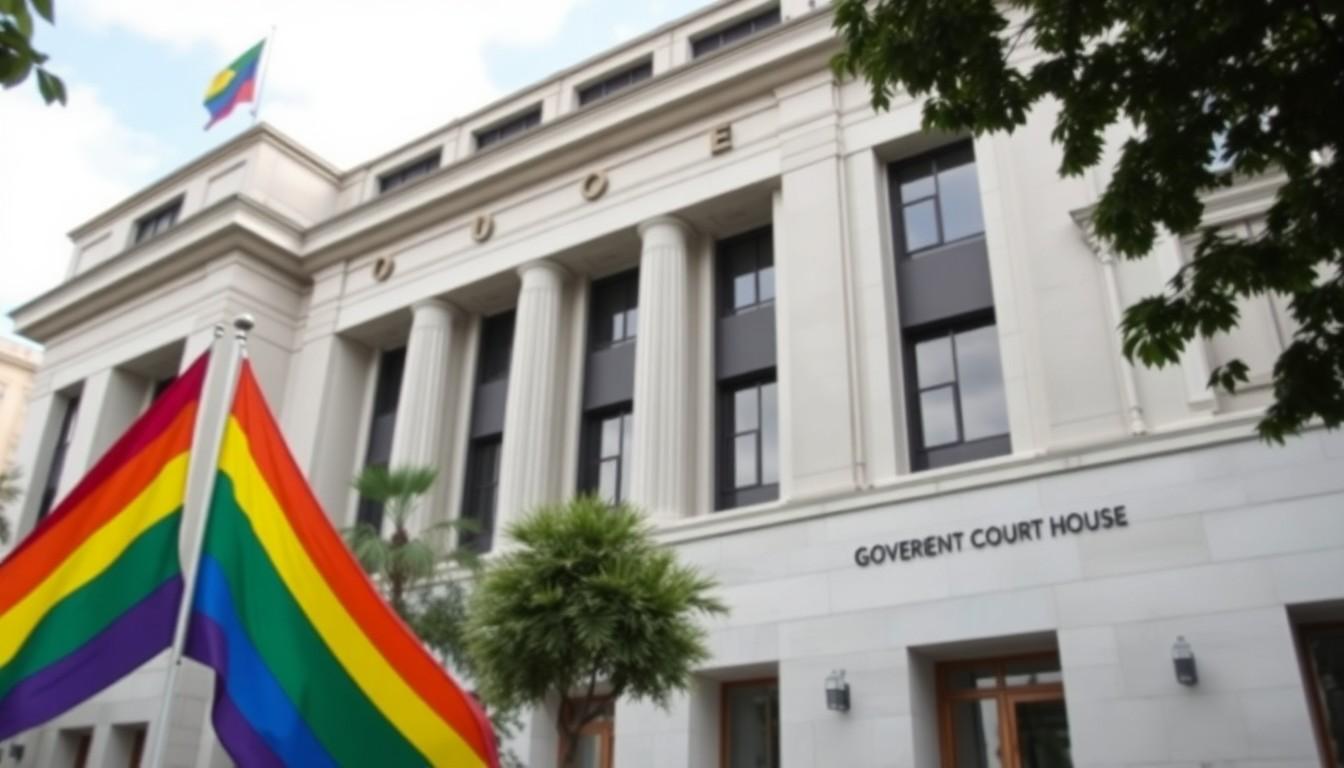
Shifting the courtroom conversation, judges and justice officials gathered in São Paulo for a national meeting that pushed practical tools and unified rules to improve access to justice for LGBTQIA+ people , and signalled a clearer, coordinated approach from the judiciary that could ripple across public institutions.
Essential Takeaways
- National coordination: The CNJ-led II Encontro gathered magistrates and justice bodies to align actions that protect LGBTQIA+ people across Brazil.
- Practical tools: Expansion of the Formulário Rogéria aims to map and prevent violence against LGBTQIA+ people with an accessible electronic form.
- Policy push: A proposed Carta for national regulation of trans quotas seeks standardised rules for reserving public-service positions.
- Institutional support: New Forum of the Magistracy LGBTQIA+ and strengthened commissions were announced to sustain long-term change.
- Local engagement: TJDFT’s representatives stressed that federal alignment reinforces local courts’ efforts to create prejudice-free environments.
Judges in São Paulo pushed for practical tools that actually reach people
The II Encontro Nacional do CNJ de Promoção dos Direitos LGBTQIA+ put tools at the front of the agenda, not just declarations. Delegates discussed widening use of the Formulário Rogéria, an electronic questionnaire designed to record and prevent violence targeting LGBTQIA+ people. You can almost imagine the form as a quiet bridge between someone’s experience and the state’s ability to respond, with the potential to flag patterns that would otherwise remain invisible.
According to CNJ materials, the form is meant to be simple and scalable, which is crucial if courts and public bodies are to weave it into everyday practice. For magistrates and administrators thinking about rollout, the practical advice is obvious: start where incidents are already being reported and ensure staff understand how to handle sensitive data.
A national carta for trans quotas , why unified rules matter
One of the meeting’s headline proposals was a Carta pela Regulamentação Nacional das Cotas Trans, intended to set shared rules for reserving spots for trans people in public competitive exams. The idea is to avoid a patchwork of local rules that can confuse applicants and stall effective inclusion.
A unified approach could make application processes fairer and easier to navigate, particularly for people who move between regions. For policymakers, the takeaway is clear: standardisation reduces friction and increases transparency, but it needs legal clarity and monitoring to work in practice.
Forum of the Magistracy LGBTQIA+: keeping momentum inside the bench
Organisers announced the creation of a Forum of the Magistracy LGBTQIA+, an institutional space for judges to share knowledge and coordinate strategies. That kind of internal network matters because change inside the judiciary often starts with peers trading practical tips , for instance, how to handle name and gender recognition cases or how to manage confidentiality in sensitive hearings.
TJDFT representatives said such national alignment strengthens local commissions and courts, reinforcing a culture of respect. For judges and court staff, joining these networks will likely be the best way to learn routine practices that protect dignity and access.
Strengthening commissions means everyday processes get better
The meeting didn’t just stage big announcements; it talked about deepening the work of commissions already focused on discrimination and harassment. For the Tribunal de Justiça do Distrito Federal e dos Territórios, participation by Ceams signalled a commitment to translate policy into courtroom practice.
That matters because commissions can provide ongoing training, update procedures and act on complaints. If you’re an administrator, practical steps are to map current procedures, identify gaps , from intake to protection orders , and set a schedule for staff training.
What this means for people seeking justice , and what comes next
For LGBTQIA+ people, a CNJ-coordinated strategy promises clearer, more consistent paths to protection and remedies. The key tests will be how quickly tools like the Formulário Rogéria are adopted locally, whether the trans quota charter is turned into enforceable rules, and how active the new forum becomes.
The mood at the meeting suggested genuine intent: magistrates and CNJ officials were trading practical solutions and setting up institutional scaffolding. Now the challenge is implementation , and the courts that deliver on these promises will make a real difference to everyday lives.
It's a small structural change that could make every step toward justice clearer and safer.
Source Reference Map
Story idea inspired by: [1]
Sources by paragraph: