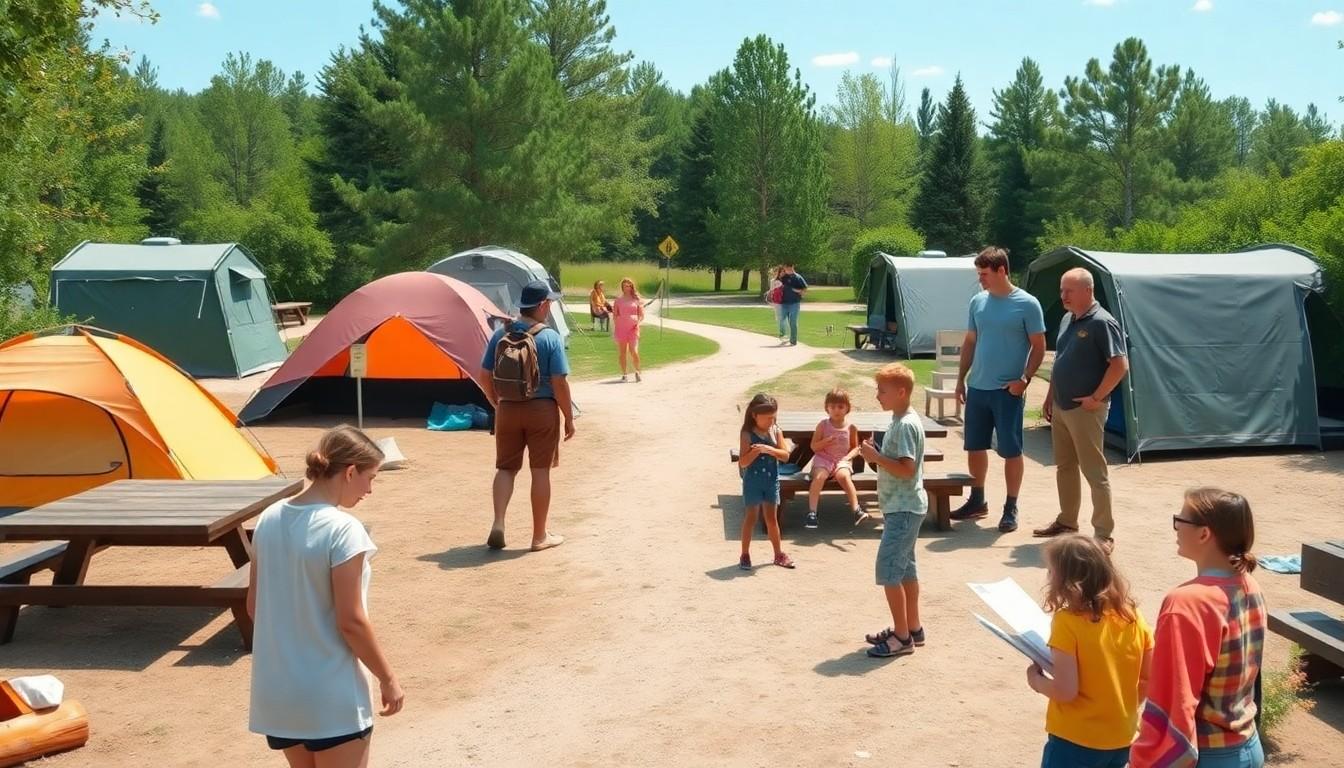
Spot checking welcoming campgrounds can turn tense planning into relaxed family fun; owners and organisers are spotting a rise in LGBTQ+ families seeking truly inclusive outdoor stays, so here’s how to choose sites that feel safe, celebratory and easy for everyone.
Essential Takeaways
- Look for visible inclusivity: Sites that show diverse families and state non-discrimination policies online usually signal a more welcoming vibe.
- Check facilities: Gender-neutral toilets and family restrooms reduce stress and make days simpler for kids and adults.
- Activities for all ages: Good sites offer a mix , scavenger hunts for little ones, geocaching or stargazing for teens, and calmer options for adults.
- Local extras matter: Nearby cafés, markets or museums can turn a campsite into a memorable trip.
- Ask directly: A quick call about staff training or pride events often tells you more than photos do.
Why inclusive campgrounds make better family memories
There’s a particular calm when you don’t have to explain yourselves at every turn; that relaxed feeling makes for better stories around the fire. Many families in the LGBTQ+ community say the worry of encountering hostility can spoil an otherwise perfect plan, so inclusive sites remove that background noise. According to community-driven resources, places that advertise diversity on their websites and social channels tend to attract families who want to be seen and comfortable. When a campsite advertises pride events or non-discrimination policies, it’s often because staff and local organisers have gone out of their way to make visitors feel welcome.
How to spot a truly welcoming campsite before you book
Photos and social feeds are useful, but the real clues are practical: gender-neutral restrooms, staff training, and family-focused programming. Look for pictures that show diverse family groups, read reviews from other LGBTQ+ families, and browse the events calendar. If the listing mentions accessible facilities and inclusive activities, that’s a good sign. If you’re unsure, pick up the phone , asking about on-site policies or whether the staff have inclusion training will give you an honest read of the place.
What family-friendly really means , beyond swings and paddling pools
Family-friendly is personal: for some it’s a playground and evening storytelling, for others it’s quiet spots where kids can run without worry. Inclusive campgrounds think bigger , they offer a range of activities that suit toddlers through teens, plus spaces where adults can relax. Gender‑neutral or family restrooms remove a common source of stress, and staffed activities create chances for connection. When you’re choosing, match the site’s activity list to your household , if your teen loves geocaching, make sure trails and mobile reception are suitable.
Activities that keep everyone happy (and how to plan them)
Map the trip with input from the whole family: let each person pick one “must-do” activity and weave those into the itinerary. For little ones, nature scavenger hunts, simple crafts with leaves and twigs, or bug spotting keep curiosity alive. Older children and teens often enjoy geocaching, fire-building lessons (with safety guidance), or stargazing using a telescope app. Adults can schedule a longer hike, some quiet time by a lake, or cooking a special campfire meal together. Allowing pockets of solo downtime makes group time more joyful.
Exploring beyond the pitch , why local gems matter
A campsite is the base, but the local area often provides the memories you’ll treasure , a small-town diner that becomes a Sunday ritual, a farmers’ market, or a quirky museum. Exploring nearby attractions not only breaks up the routine but supports local businesses and connects your family to the place. Check local listings and community pages for LGBTQ+-friendly cafés or events; towns that welcome diverse visitors usually share that information online and in tourist centres.
Practical tips for a smoother, safer trip
Call ahead about policies and facilities, and ask whether staff have received inclusion or safeguarding training. Pack sensory comforts , a familiar blanket or playlist can steady anxious kids. Choose a pitch near amenities if little ones need quick access to toilets, and consider booking family cabins if tents feel too exposed. Finally, read recent reviews: current guest feedback often reveals how inclusive a site actually feels in practice.
It's a small change to choose a place that welcomes your family , and it makes every shared laugh and sunset feel that bit easier to savour.
Source Reference Map
Story idea inspired by: [1]
Sources by paragraph: