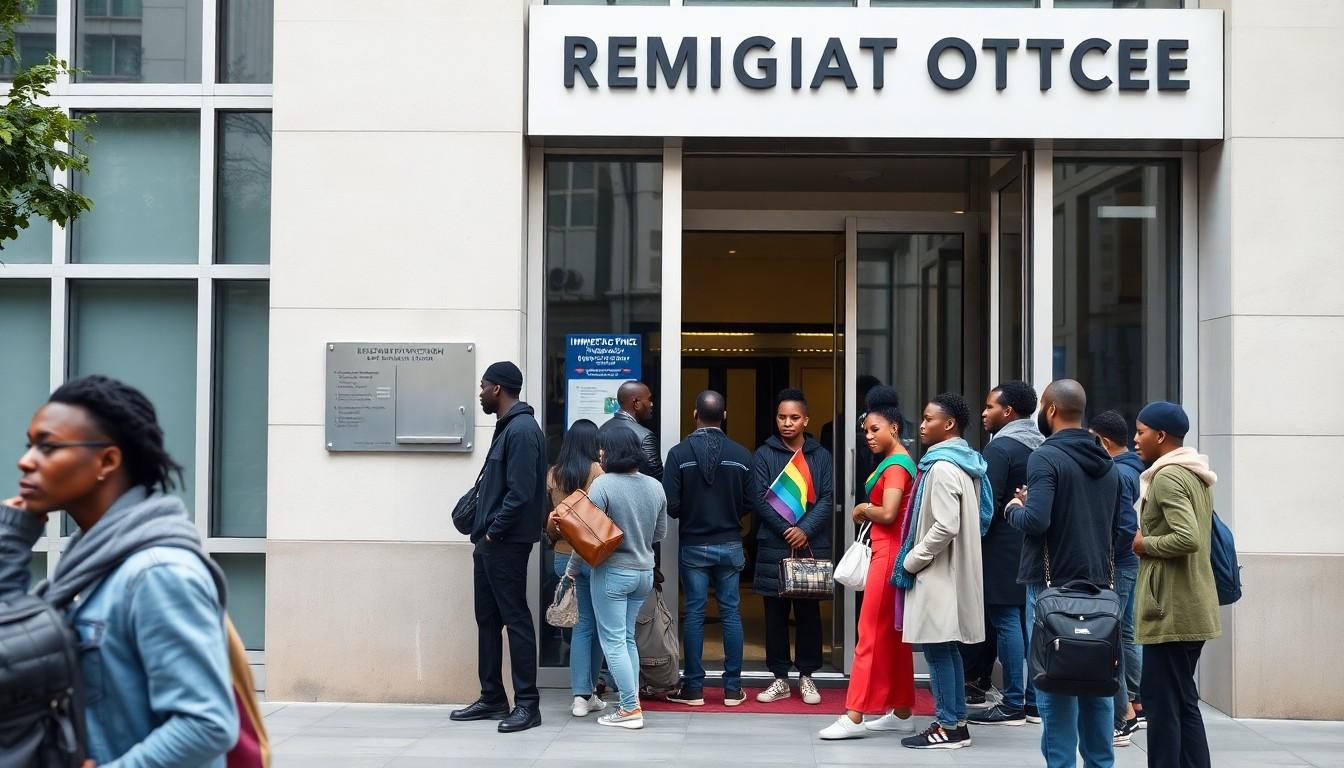
Watch how decades of organised anti-LGBTI+ campaigning and tightening U.S. immigration rules have combined to squeeze Black LGBTI+ people out of safety on both sides of the Atlantic, a story that matters for migrants, advocates, and anyone who cares about human rights.
Essential Takeaways
- Coordinated campaign: Evangelical groups have spent years funding and drafting anti-LGBTI+ laws across Africa and the U.S., shaping harsh new statutes.
- Rising criminalisation: Thirty-three African countries now criminalise same-sex relations, with recent laws punishing advocacy and gender expression.
- U.S. legal barriers: New state and federal policies, from metering to travel bans and restrictive refugee caps, sharply reduce refuge for Black migrants.
- Intersectional risk: Black LGBTI+ migrants face compounding threats, criminalisation at home, hostile states in the U.S., and return to danger via deportation pacts.
- Practical risk cues: Paperwork and medical records meant to prove identity or persecution can instead expose and endanger applicants.
How an organised evangelical network seeded laws across Africa
The simplest truth is often the sharpest: activists with deep pockets do shape laws that ripple outward. Investigations have traced how American evangelical groups spent years organising conferences, advising lawmakers and framing LGBTI+ rights as a foreign threat, which helped feed the politics that produced Uganda’s brutal Anti‑Homosexuality Act. That law, featuring life sentences and, in extreme cases, the death penalty, has become a model for others, not an isolated aberration. According to reporting, the same actors have been linked to similar bills in Ghana, Kenya and Senegal, where new statutes now criminalise advocacy and gender expression as much as conduct. For readers, the takeaway is clear: when well-funded networks standardise a template, copycat laws follow, and vulnerable people pay the price.
Africa’s legislative wave and where it’s headed
You can feel the pattern across the map: criminalisation is surging in West Africa while some Southern African countries move the other way. Thirty‑three countries criminalise same‑sex relations today, and several nations have added duties to report or bans on "promotion" of LGBTI+ identities. That shift isn’t just legal hair‑splitting; it changes everyday life, smaller venues close, NGOs fear registration, and people stop meeting outside the house. For anyone helping a friend or client, practical choices matter: avoid public associations that could be described as "promotion", keep emergency contacts updated, and consider secure backups of identity documents. The legal trend suggests more countries may follow patterns already exported from Uganda and elsewhere.
America’s mirror: state laws tightening the noose
Meanwhile, U.S. statehouses have been busy too. Hundreds of anti‑LGBTI+ bills were introduced in recent sessions, and dozens became law, targeting gender‑affirming care, sports participation, bathrooms and identity markers like names and pronouns. A newer breed of "sex‑definition" statutes goes further, fixing legal sex at birth and rewriting official documents accordingly, a sweeping change that reaches across health records, licences and public services. These laws tend to cluster in certain regions, and they stack up against migrants who’ve already fled persecution. If you’re advising someone, check state statutes where they live: changes to driver licences, medical privacy and school policies can all affect safety and access to services.
Immigration rules that shut routes to safety
It’s one thing to flee danger; it’s another to find the door closed on arrival. Recent U.S. policies have narrowed legal routes for refugees and asylum‑seekers: travel bans disproportionately target African and Caribbean countries, refugee caps have been cut to historic lows, and "metering" lets border agents turn people away even when they ask for asylum. Asylum Cooperative Agreements allow the U.S. to send people to third countries without full hearings, places that may criminalise homosexuality or be unsafe for Black migrants. The result is a legal maze where a claim of persecution can be dismissed on technical grounds, then routed back into danger. For advocates, this means prioritising rapid legal counselling, documenting threats carefully, and seeking jurisdictions or humanitarian corridors with safer records.
How paperwork and policies expose the people they should protect
Perhaps the cruelest detail: the very evidence required to prove persecution often betrays migrants. Passports, medical records, social media posts, and asylum statements can reveal gender transition or same‑sex relationships and be used against applicants if claims are denied. Add state laws that alter identity documents or federal plans that reserve quotas by nationality or ethnicity, and you get a system that privileges some lives over others. Practical steps help: store encrypted copies of documents, limit unnecessary circulation of sensitive records, and work with counsel who understand both immigration and LGBTI+ protections. Looking forward, legal challenges and advocacy remain crucial, but so does immediate, pragmatic support for those in flight.
It's a small set of choices and policies that combine to make safety feel unreachable, but knowing the networks, the statutes, and the paperwork can help people and their allies push back.
Source Reference Map
Story idea inspired by: [1]
Sources by paragraph: