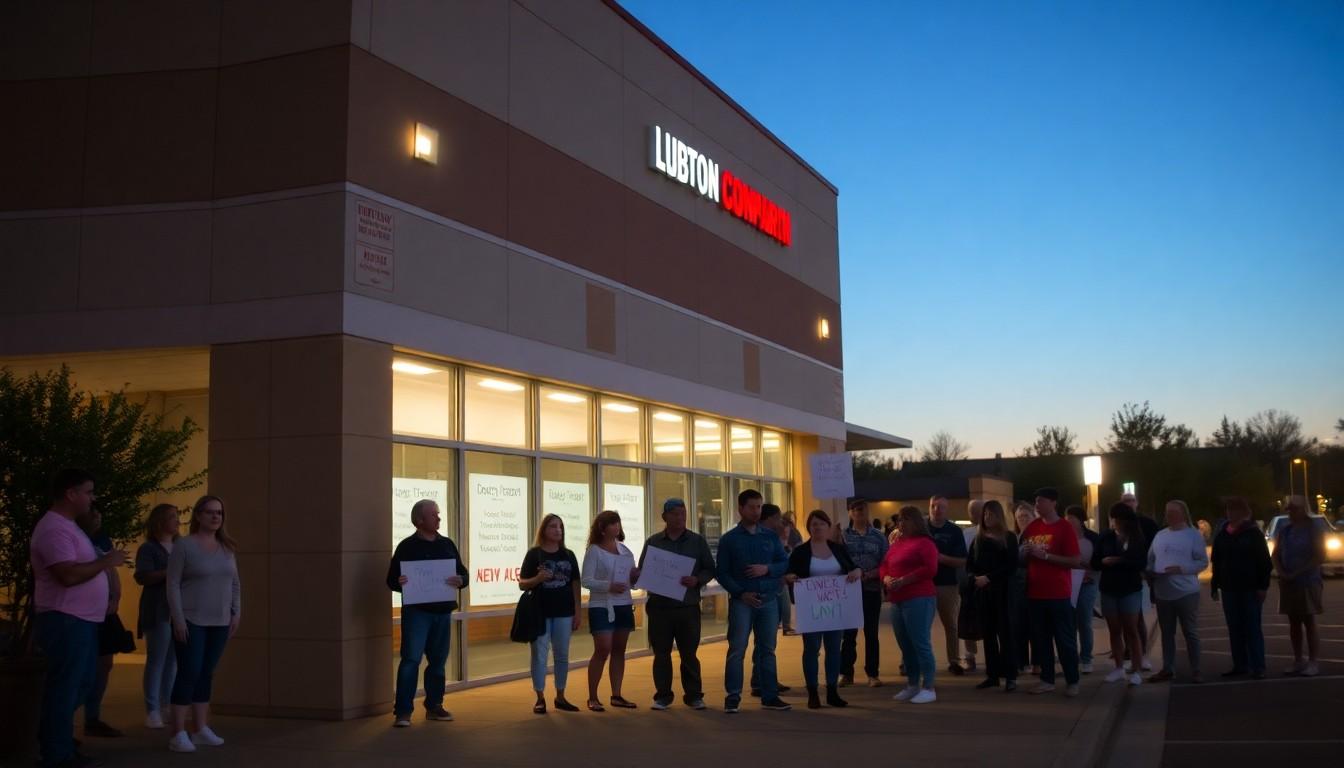
Shoppers and community members alike woke to grim news as Tucson’s LGBTQ+ neighbourhood reels from a targeted attack; details about a suspect’s note listing queer-friendly businesses have spurred a city-wide hate-crime probe and a planned vigil , here’s what’s known, why it matters, and what to watch next.
Essential Takeaways
- What happened: Two men were shot dead outside Venture-N, a longtime gay bar in Tucson, leaving patrons and neighbours shaken.
- The note: Police recovered a note on the suspect that listed multiple LGBTQ+-friendly businesses, raising fears the violence may have been meant to target the broader community.
- Investigation status: Authorities have opened a hate-crime probe while searching for motive and any links to other incidents.
- Community response: Local groups and organisations are organising a public vigil to honour the victims and resist the fear the attack was meant to sow.
- Practical concern: Patrons of queer spaces are urged to stay alert, report suspicious activity, and support local safety initiatives.
What we know now: two dead outside a familiar gay bar
The sharp, awful fact is simple and human: two men, Vincent Anthony Siqueiros, 42, and Cameron Davis Capara, 33, were killed outside Venture-N, a long-established gay bar in Tucson. Witnesses and neighbours describe a stunned community, the bar’s neon and chatter silenced by grief. Police say the suspect had a list of local LGBTQ+-friendly venues, a detail that pushed the case from a tragic double homicide into a possible string of targeted attacks.
Reporting from AP and local outlets lays out the scene and early police findings, and officials have signalled they’re treating this as more than an isolated incident. For people who go out to queer spaces , for a drink, a show, a dance , this feels personal and chilling.
Why the note changes the investigation’s shape
Finding a note with names of queer-friendly businesses transforms motive into a central question. According to police statements covered by local newsrooms, the note suggests the suspect may have been mapping targets rather than acting impulsively. That’s why investigators opened a hate-crime probe and why community groups are calling for vigilance.
This matters because hate-crime designations change investigative resources, potential charges and public messaging. It also changes how venues and patrons think about safety: it’s not just about one night anymore, it’s about whether a pattern was being planned.
Community response: vigils, solidarity and practical steps
Local LGBTQ+ organisations and allied groups in Tucson have organised a public vigil as a collective response , a visible act of mourning and defiance. Community leaders say gathering publicly matters: it sends a message that fear won’t close queer spaces or erase nights out that are meaningful to so many.
If you’re in the area, attend a vigil safely: travel with friends, know exits at venues, and follow updates from organisers. If you run a venue, review lighting, cameras and staff training for de-escalation and emergency response; some businesses are already tightening procedures and sharing tips across networks.
What authorities and advocates are saying
Police and local reporters have noted the investigation is ongoing; officers are piecing together timeline, motive and any possible links to other violent incidents. Advocates warn that the discovery of the list is a red flag signalling broader targeting of queer gathering places, not just a crime of opportunity.
Advocacy groups are urging anyone with information to contact police and are offering support services to those affected. Expect more statements, possibly federal involvement, and a continuing spotlight on safety measures in public LGBTQ+ venues as the probe proceeds.
Wider context and why this matters beyond Tucson
Attacks on queer spaces carry an outsized emotional weight because these venues have historically been safe havens and organising hubs for LGBTQ+ people. When violence targets those spots, it reverberates nationally , other cities watch, organisers share tips, and policy conversations about hate-crime protections and community safety get renewed urgency.
This episode also highlights the role of local reporting and community networks in documenting threats. Staying informed through reputable local outlets and supporting survivor services are practical ways to help.
It's a small change that can make every night out a bit safer for everyone.
Source Reference Map
Story idea inspired by: [1]
Sources by paragraph: