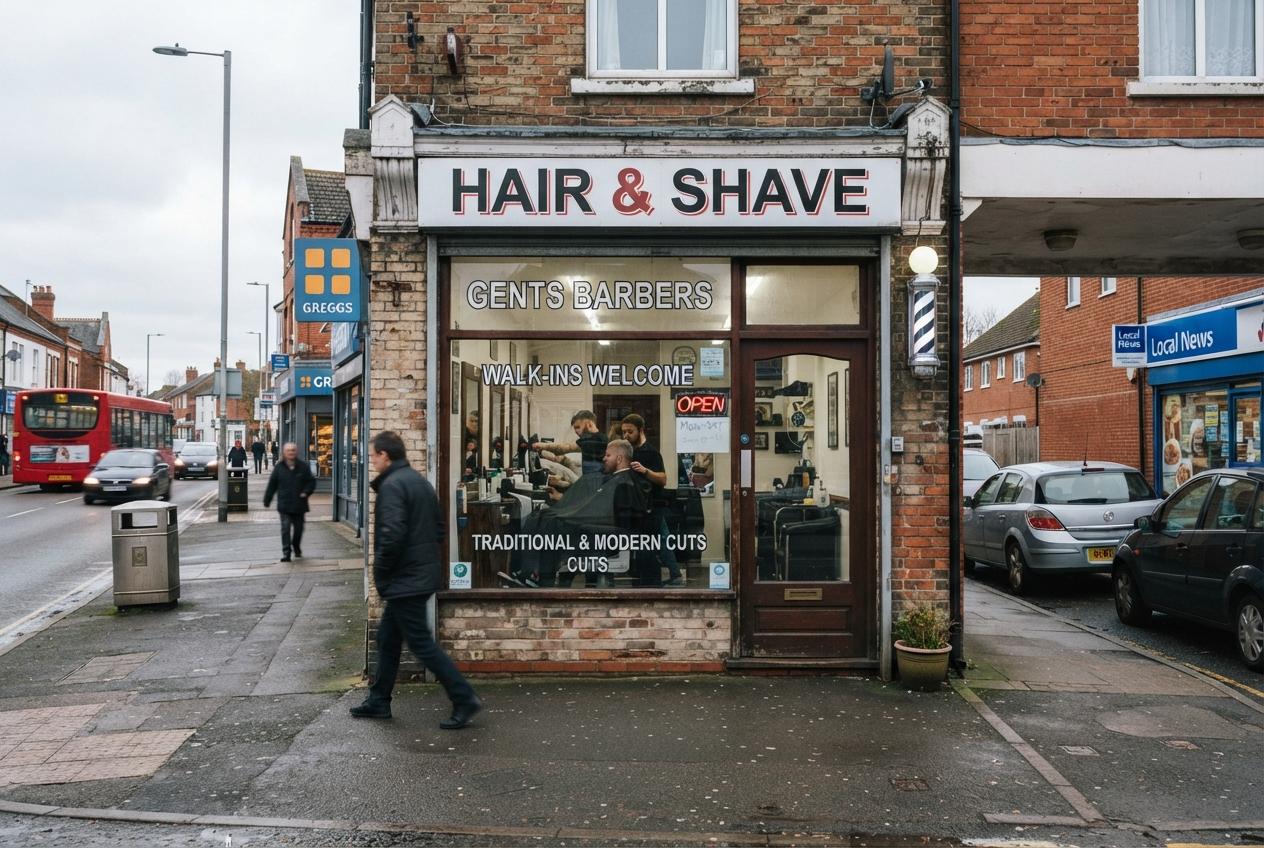
Notice how small interactions can feel huge , people are navigating quick, unexpected decisions about whether to come out in shops, taxis and barbershops, and it matters because those split-second judgments shape safety, comfort and identity visibility.
Essential takeaways
- Everyday pressure: Many LGBTQ+ people face multiple "coming out" moments a week , quick decisions under casual questioning that feel draining.
- Common scenarios: Barbers, shop assistants, Uber drivers and holiday chats are frequent triggers; assumptions like “lucky lady” are still common.
- Emotional weight: These micro-moments can feel stressful or even unsafe, especially when mourning, travelling or in conservative communities.
- Practical coping: Simple scripts, boundary-setting and a safety check can ease the decision in public encounters.
- Visibility vs privacy: Choosing when to correct assumptions is personal , there’s no one right answer, just strategies to make it less exhausting.
Why a casual question can feel like a high-stakes test
A throwaway line from a shop assistant or a driver can land like a spotlight, and that sudden exposure hums with emotion , relief for some, fear for others. According to viral posts and coverage, people are tallying these moments: coming out, or not, multiple times in a single week. It’s exhausting in a way that’s hard to explain to someone who hasn’t had to make a fast safety judgement. For many, the bodily feeling is immediate: hands a little colder, heart rate up, searching for an exit.
Context helps explain why. These micro-moments happen where we least expect them , on errands, at the barbers or in the back of an Uber , so there’s rarely time to prepare. That uncertainty is part of the fatigue people describe online, where posts about repeated tiny outings have resonated with thousands.
The scenarios that keep coming up , and why they sting
The usual suspects keep appearing: the barber asking about your partner, a cashier assuming you’re buying for a “lucky lady,” or an Uber driver asking about a spouse and kids. Those comments aren’t always malicious, but they carry assumptions that erase relationships and identities. People grieving a lost parent or living under conservative family pressure report these moments as especially sharp , they can reopen pain or force a hidden life into the light.
Compare this to more explicit coming-out conversations: those are planned, emotional and often reciprocal. Micro-moments, by contrast, are one-off and transactional, so they demand a snap call about disclosure and personal safety.
Simple scripts and quick tools to make decisions easier
You don’t need to rehearse a lecture, but having a small toolkit helps. Try one-line responses that fit the situation: deflect (“Oh, we’re just friends”), neutralise (“Partner”), or set a boundary (“That’s private, thanks”). For those worried about safety, a short safety-check works: scan the environment, note exits and people nearby, and decide whether the person asking seems curious or hostile.
Practical tip: carry a mental list of three responses you’re comfortable with , funny, vague and firm , so you can pick the one that suits the moment. That way you conserve emotional energy and leave room for judgement rather than panic.
When you want to correct assumptions , weighing the costs and gains
Sometimes correcting a cashier or a stranger feels worth it; sometimes it doesn’t. If your goal is visibility and small corrections add up, a quiet “actually, we’re partners” can nudge social norms. But if you’re in an unsupportive environment, or exhausted from other emotional labour, prioritise self-care , staying safe and calm is a perfectly valid choice.
Think also about timing: a public correction may teach one person but could risk escalation. If you want to influence change, safer routes include speaking to managers, writing feedback, or supporting visibility initiatives rather than confronting every micro-incident head-on.
How allies and businesses can reduce the burden
Small changes from staff and brands would make a big difference. Switching from gendered phrases like “lucky lady” to neutral language, offering inclusive forms, or training frontline workers about assumptions are simple fixes. Allies can model inclusive language and correct misassumptions gently in public settings, which reduces the number of times someone has to make that snap decision.
For anyone running a shop or service, remember this: a softer phrase costs nothing but reduces emotional labour for customers who already carry so much outside.
It’s a small change that can make every micro-moment less draining.
Source Reference Map
Story idea inspired by: [1]
Sources by paragraph: