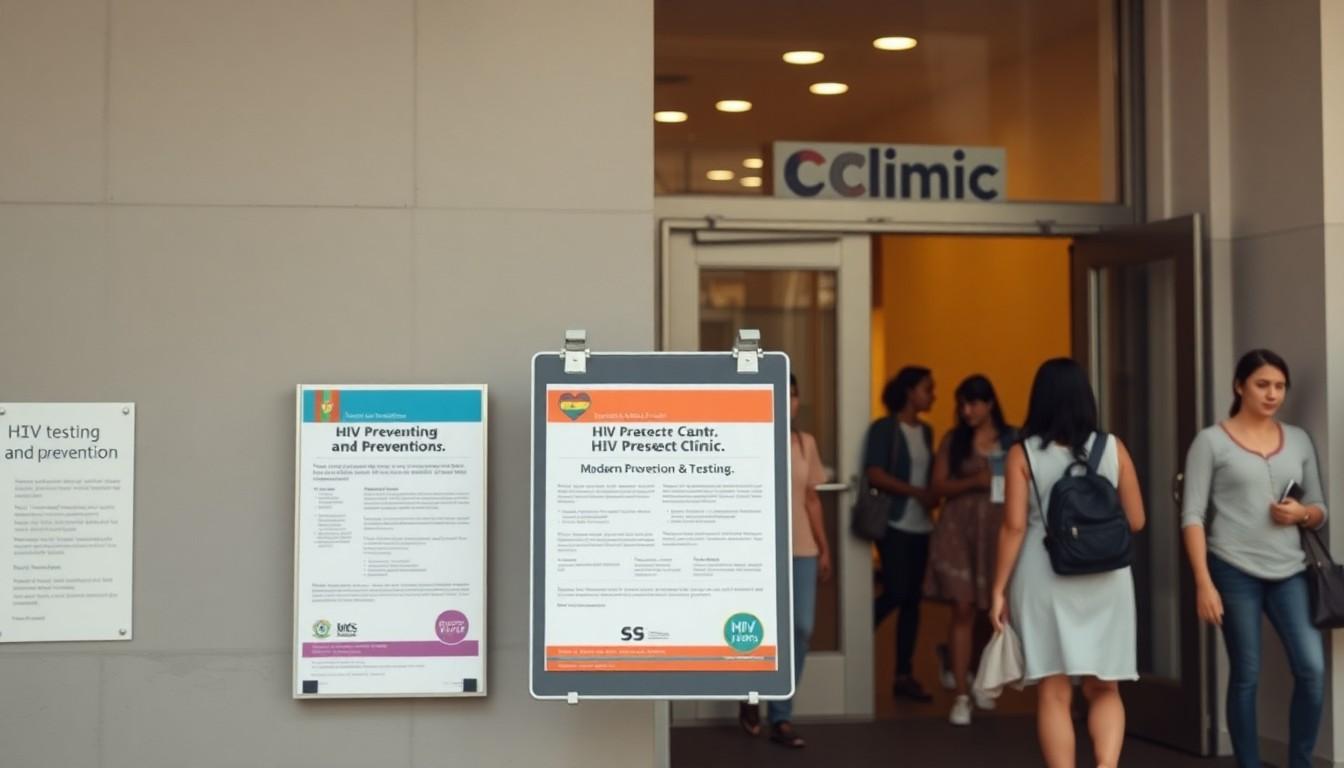
Shoppers are turning to facts over fear: here’s a clear, compassionate guide to who HIV affects today, how treatment works, and why prevention like PrEP and testing matter , useful if you live in Pittsburgh or anywhere else and want practical, stigma-free help.
Essential Takeaways
- HIV is treatable: With early diagnosis and consistent medication, people with HIV can live as long as those without it, and the virus becomes undetectable and untransmittable.
- You can’t tell by looking: HIV has no visible markers in people on treatment; testing is the only reliable way to know your status.
- PrEP works: Taking PrEP consistently cuts the risk of sexual HIV transmission by about 99% and comes as daily pills or periodic injections.
- Transmission facts: Anal sex transmits HIV more efficiently than vaginal sex, but anyone who has sex can be at risk; condoms and PrEP add layers of protection.
- Support matters: Local clinics and community organisations offer testing, treatment, medication access and broader social services , care that treats people, not labels.
Why “HIV is a death sentence” is finally behind us
Start with the good news: thanks to decades of research and advocacy, an HIV diagnosis no longer carries the life-shortening inevitability it once did. According to public-health data, early detection and lifelong antiretroviral therapy let people living with HIV expect a near-normal life expectancy. That feels quietly miraculous after the scare of the 1980s, and it changes everything about how we should talk about the virus. For anyone worried about prognosis, the practical takeaway is simple , get tested, and if positive, start treatment and stay on it.
You can’t read HIV on a person , testing is the only way
Back in the early epidemic, opportunistic infections made illness obvious; nowadays effective treatments keep people healthy and looking like everyone else. The World Health Organization and national agencies stress the same point: you can’t tell who has HIV by sight. That’s why routine, accessible testing is essential. If you live near community clinics or health outreach events, take advantage of walk-in tests or quick appointments , same-day or rapid tests give results in minutes and are the only way to know for sure.
PrEP: the prevention game-changer, not a judgement
There’s still a nagging myth that taking PrEP equals promiscuity. But prevention is a personal health choice, like using contraception or getting vaccinated. Clinical evidence shows that when taken as prescribed, PrEP reduces the risk of catching HIV from sex by almost 99%. Options now include a daily tablet and long-acting injections, so you can pick what fits your life. If you’re assessing risk, think about the types of sex you have, your partner patterns, and whether you’d prefer a pill or an injection , talk to a provider who can walk you through the choices.
Undetectable = Untransmittable: how treatment protects partners
One of the most powerful messages to come out of recent science is U=U , undetectable viral load means the virus can’t be sexually transmitted. That shift affects relationships, family planning and how people living with HIV see themselves. Treatment success depends on keeping medication consistent and monitoring viral load with your clinic. For couples thinking about children, modern treatment protocols mean the risk of passing HIV to an unborn baby is extremely low when viral load is suppressed, which is life-changing for families.
Practical steps: testing, prevention and where to go for support
If you’re unsure about your risk, start with a test , many community health services run regular outreach and rapid testing sessions. If you test negative but are at ongoing risk, consider PrEP and condoms together; they work best as a package. If you test positive, immediate linkage to care and pharmacy support can get you to an undetectable viral load quicker. Local organisations and clinics often offer wraparound services , from medication delivery to food and housing help , because social stability makes medical care work better.
How to talk about HIV without the stigma
Words matter. Calling HIV a “lifestyle disease” or assuming who is at risk only fuels shame and keeps people from seeking care. Use factual language, emphasise prevention and treatment options, and listen. If someone discloses their status, treat them as a person first , supportive reactions make a huge difference to mental and physical health. Public-health bodies recommend normalising routine testing and making prevention available, because lowering barriers is the clearest path to reducing new infections.
It’s a small change in language and action that can save lives and calm fears , test, treat, prevent, and talk without shame.
Source Reference Map
Story idea inspired by: [1]
Sources by paragraph: