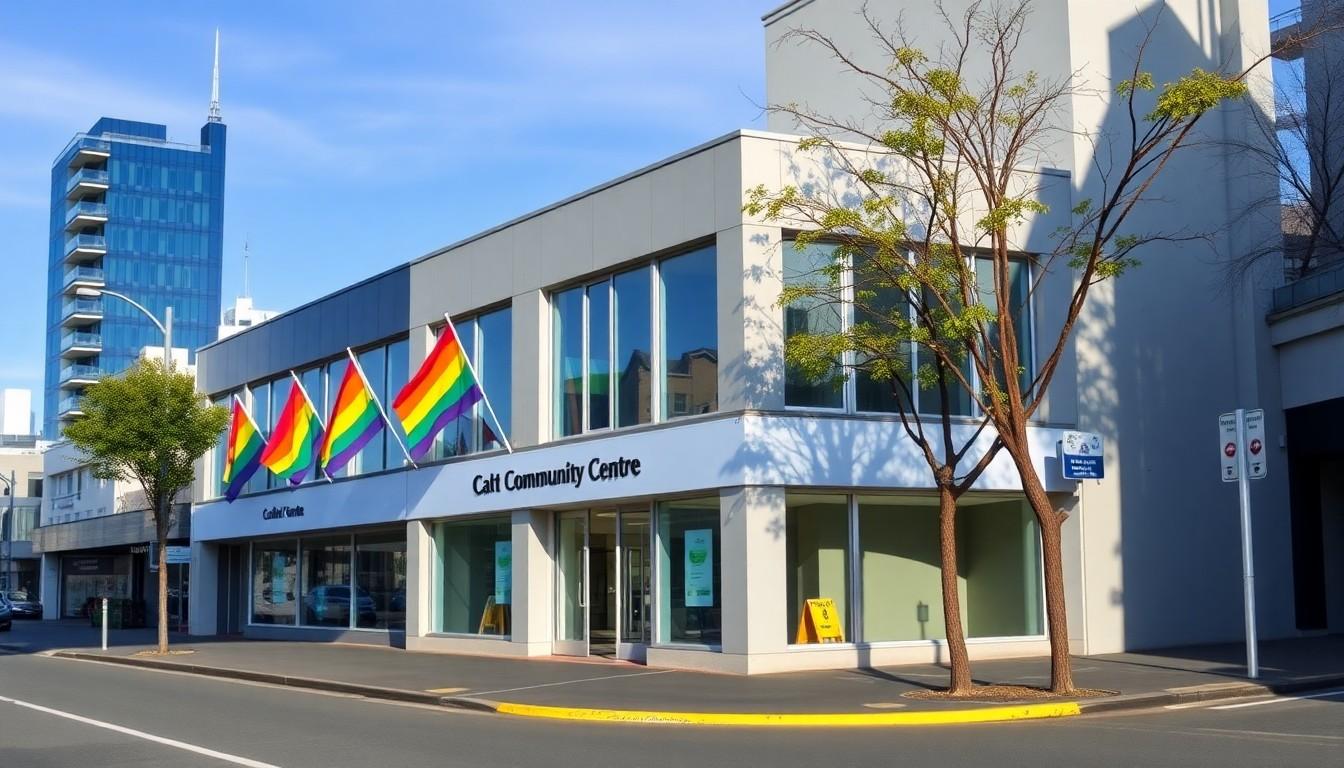
Shoppers of history and community members alike are turning to September as a month rich with queer milestones; historian Gareth Watkins highlights events from legal debates in 1957 to life-saving benefit concerts in the 1990s and a landmark trans health survey in 2019, showing why remembering these dates matters for policy, care and culture.
Essential Takeaways
- Wolfenden spark: A 1957 British committee report questioned criminalising private consensual male sex, a debate that resonated in New Zealand and helped frame later reform.
- Arts for action: Michael Houstoun’s 1995 benefit concert for the New Zealand AIDS Foundation shows how arts and fundraising bolstered community care during the epidemic.
- Trans visibility: The 2019 Counting Ourselves survey provided the first comprehensive national data on trans and non-binary wellbeing, revealing alarming distress but notable community resilience.
- Research tools: The NZ Ancestor Search Helper helps people track queer and general family history across multiple New Zealand archives, useful for personal and scholarly research.
Why a 1957 British report still matters here
The Wolfenden Committee’s recommendation, that private, consensual homosexual acts should not be criminal offences, felt like a quiet tremor across the empire, and New Zealand readers saw the ripples. Newspapers such as The Press ran prominent stories and letters, and ordinary people began to ask whether our laws needed to wait for Britain to change. According to NZHistory, those early conversations fed into decades of debate that eventually produced local law reform. For anyone studying how ideas travel, this is a textbook example: a report written in London helping shift public discussion in Christchurch and beyond. If you’re exploring legal history, look for contemporary letters and opinion pieces to trace how attitudes evolved locally.
Arts and activism: the 1995 benefit concert that kept communities afloat
In September 1995 pianist Michael Houstoun played a benefit for the New Zealand AIDS Foundation, part of a wave of fundraising concerts that kept HIV services visible and funded when treatments were just beginning to improve outcomes. Community responses, concerts, awards, and performances, filled gaps in public provision and helped humanise people living with HIV. Arts venues became safe stages for solidarity and memory, and the events remind us that culture and care often travel hand in hand. If you’re organising an event today, pairing artistic programming with clear fundraising goals and educational messaging still works as well as it did then.
Counting Ourselves: what a community-led survey revealed
Launched in Auckland in September 2019, the Counting Ourselves survey was the first national effort led by and for trans and non-binary people in Aotearoa New Zealand. The results were sobering, very high levels of psychological distress and barriers to gender-affirming care, but they also showed mutual support and activism within communities. Researchers urged advocates and policymakers to treat the data as an “activist tool,” and indeed the findings have strengthened calls for better healthcare access, inclusive schools and legal recognition. For anyone campaigning now, the report is a model: community-led evidence can change conversations and policy priorities.
How grassroots tools help uncover queer pasts
If you’re curious about queer ancestors or local queer histories, resources such as the NZ Ancestor Search Helper bring multiple archives into one place. Developed by Luke Howison, the site pulls from government, museum and cemetery records; a single name search can surface court records, photographs and even draft film scripts. Heritage resources make private histories public and researchers’ work easier, but remember to read records with sensitivity, labels and contexts change over time. Practical tip: start with one confirmed fact, birthdate or grave inscription, and let the aggregators do the rest.
What these September moments tell us about now
Taken together, these dates show how legal ideas, cultural solidarity and community-led research build change slowly but meaningfully. From letters in a Christchurch paper to benefit concerts and national surveys, the throughline is people using whatever tools they had, print, music, data, to challenge exclusion and care for each other. Looking ahead, these stories point to continued work: better healthcare access, more inclusive archives, and legal protections that match lived realities. And it’s worth remembering that small acts, writing a letter, attending a concert, filling in a survey, have historically mattered.
It's a small calendar of reminders that memory and action often come in the same month.
Source Reference Map
Story idea inspired by: [1]
Sources by paragraph: