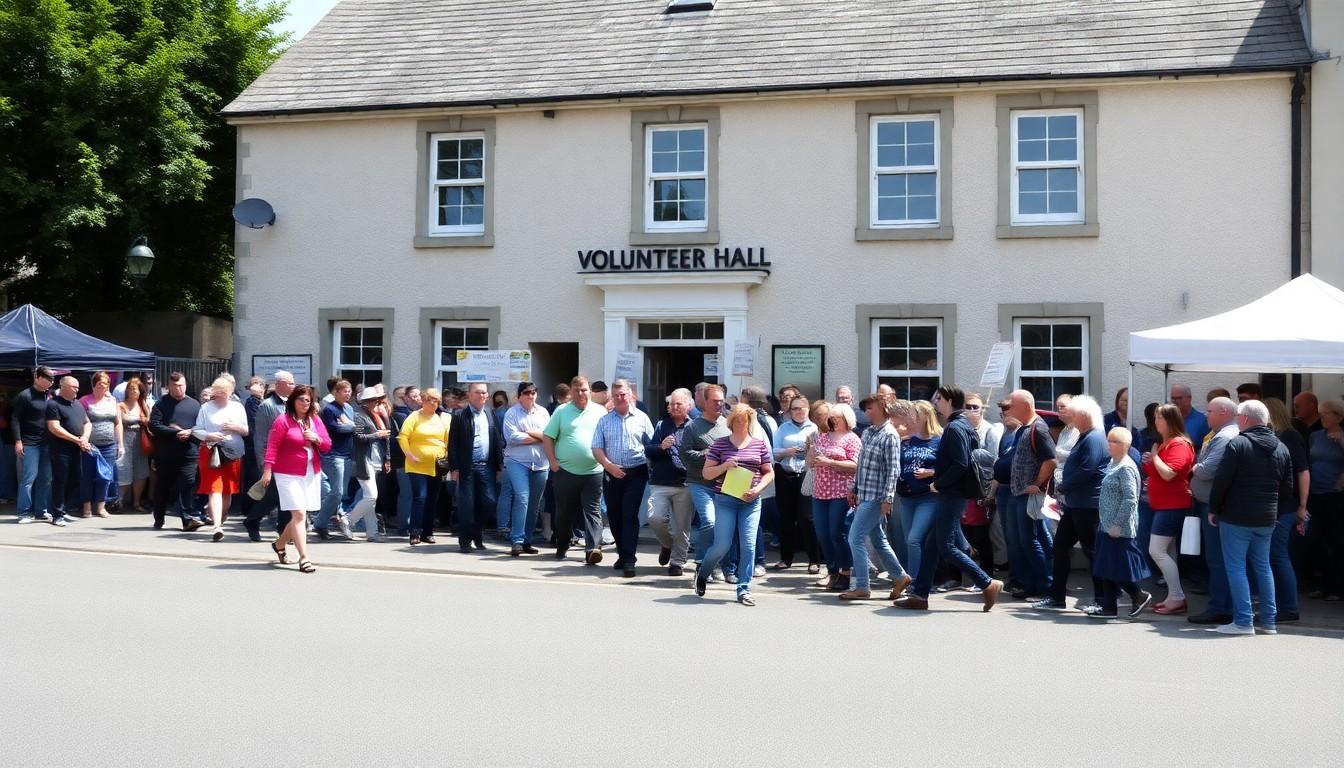
Shoppers, families and rainbow flags filled Galashiels on Saturday as the first-ever Scottish Borders Pride march transformed the town , a colourful, warm day that organisers say mattered for community, business and people who’ve longed to belong in the Borders.
Essential Takeaways
- Big turnout: Organisers estimate about 500 marched through Gala, with several hundred more lining the streets and roughly 800 visiting the Volunteer Hall.
- Sunny atmosphere: The warm, sunny weather helped create a festive, upbeat vibe and lots of smiles.
- Local boost: Businesses reported noticeably better trade, with cafes and shops seeing extra footfall.
- Meaningful impact: Several LGBT residents described the event as the first time they truly felt they belonged in their own community.
- Sustainability push: Organisers are now calling for more volunteers to help make Pride an annual fixture.
A bright, joyful debut , what happened in Galashiels
The parade wound through the heart of Galashiels before finishing at the Volunteer Hall, where stalls, a band and entertainment ran through the afternoon. The scene was vivid , flags, music and families enjoying the sunshine , and the chair of the organising charity said the day “surpassed our wildest expectations.” For a town long without a Pride, that mix of colour and sound felt like a small revolution.
Local volunteers marshalled the route and helped set up the Volunteer Hall, where community groups, food stalls and performers kept the party going. Organisers estimate around 500 people marched, not counting the band or stewards, and many more came to watch and take part afterwards. It was the sort of turnout that proves grassroots events can quickly grab the public’s imagination.
Why it mattered to people who live here
Feedback from the Borders’ LGBT community was especially moving. Several attendees told organisers it was the first time they’d felt they truly belonged in their home area, while older residents said they wished something like this had existed when they were younger. Those personal responses underline why Pride is about more than a party , it’s a visible, social reassurance that communities can be welcoming.
Organisers described the warmth of those messages as an honour. For many local people, seeing family members, neighbours and shopkeepers join in the day offered a clear sign of changing attitudes and increased acceptance.
A welcome boost for local trade
Business owners were quick to notice the economic lift. Cafés and small shops reported busier-than-usual trading, and organisers said the influx of visitors brightened the town centre. Events like this don’t just create atmosphere; they also help local economies, especially when visitors stay for food and a look around afterwards.
If you’re planning to bring an event to a town, organisers recommend coordinating with local traders early, scheduling stalls near high-footfall areas, and promoting the day as a community occasion , that way everyone benefits.
Keeping it going: volunteers and plans for next year
Having proved demand, the newly formed Scottish Borders Pride charity is now recruiting volunteers to help build Pride into an annual calendar highlight. Volunteers are needed for stewarding, stall management, promotion and fundraising , all the things that turn a successful one-off into a reliable, sustainable event.
If you want to help, get in touch with the organisers or keep an eye on local listings and social media for volunteer calls. Community involvement is the quickest route from a single joyful day to a recurring tradition.
What this says about the wider Borders
The success in Galashiels reflects a wider trend: smaller towns across the UK are hosting Pride events as local communities seek to be visibly inclusive. Reporters and community organisers alike have noted that these local Prides bring different energy from large city parades , more neighbourly, intimate and often deeply meaningful for residents who haven’t previously had that platform.
Expect to see more Borders events pop up, from ceilidhs to daytime fairs, as local groups take inspiration and build on this debut.
It's a small change that can make every resident feel a bit more seen.
Source Reference Map
Story idea inspired by: [1]
Sources by paragraph: