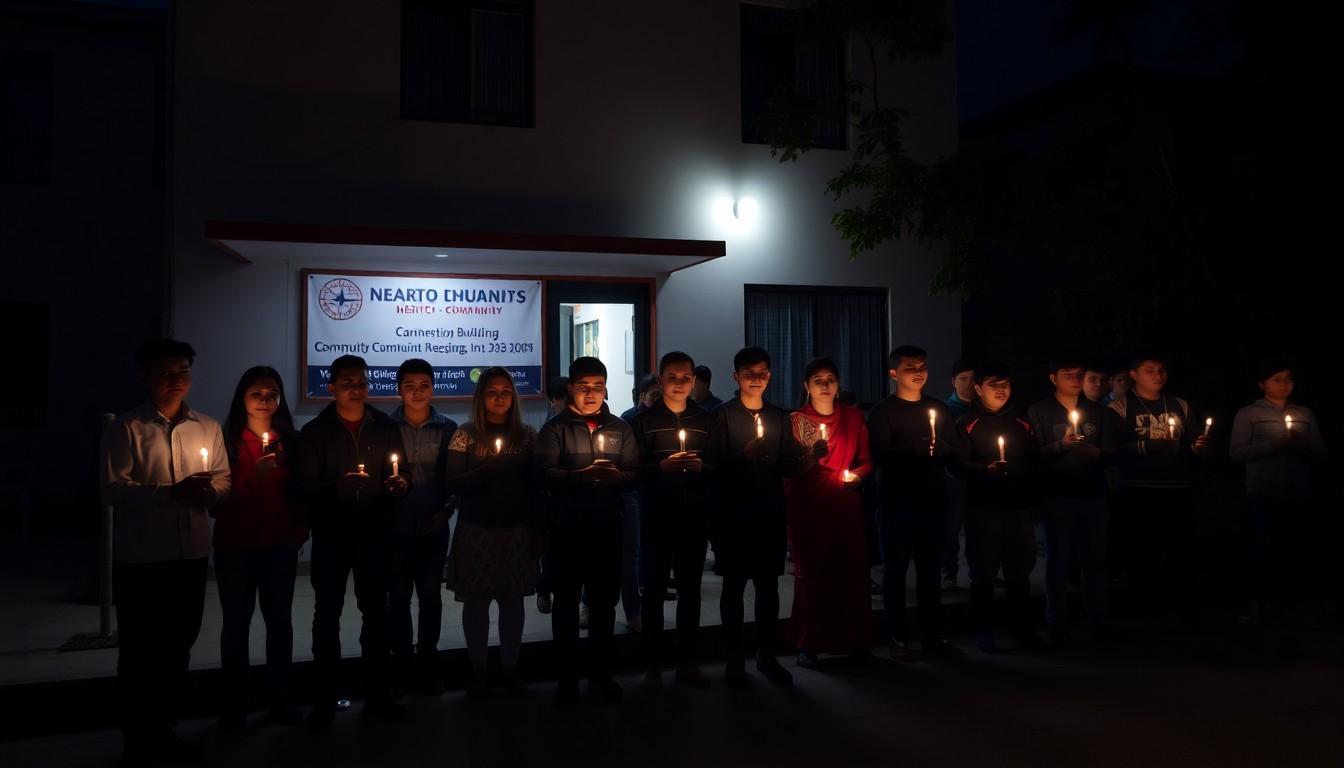
Shoppers are noticing a quiet shift: Pride isn’t only parades and parties this year , in Nepal, organisers traded revelry for a candlelit vigil to mourn flood victims and stand with the nation. Here’s why that choice matters, what it looked like, and how other communities balance celebration with solidarity.
Essential Takeaways
- Moved online and down-tempo: Nepal’s Blue Diamond Society paused public Pride festivities for a reflective candlelight ceremony instead, choosing mourning over revelry.
- Practical solidarity: BDS pledged NPR 100,000 to the national relief fund and called for shared care for victims and families.
- Human detail: The ceremony honoured queer community members lost over the past year and those killed or missing in the floods, with prayers and visible emotional support.
- Wider context: The floods across Nepal and Tibet killed hundreds and left many more missing, straining rescue efforts and prompting international concern.
- Why it matters locally: Community leaders framed Pride as more than celebration , a chance to stand with neighbours when climate disaster strikes.
Why a quiet Pride felt right in Nepal this year
The strongest image from Kathmandu was simple and human: candles glowing against the dark, people gathered to mourn. Blue Diamond Society’s decision to suspend its usual Pride and Gai Jatra celebration acknowledged a country in crisis, and the moment had a soft, weighty feel.
According to local organisers, the aim was to “remember, mourn, support and care together.” That’s a striking pivot from upbeat parades to a grief-focused public act, and it reflects how communities sometimes reframe rituals when tragedy hits.
For activists thinking about tone, this was a clear lesson: being responsive to national mood builds trust. If you’re organising an event in a time of crisis, consider smaller, solemn elements or a hybrid approach so people can choose celebration or commemoration.
What happened at the vigil , and the messages that mattered
The ceremony honoured two groups at once: members of Nepal’s gender and sexual minority community who died during the year, and civilians and tourists lost in the floods. Leaders offered prayers for survivors and for families still waiting for news, creating a space for collective grief.
BDS President Umisha Pandey and Hon. Bhumika Shrestha spoke publicly, reaffirming that the queer community stands with the nation. Small but concrete gestures , a donation to the Prime Minister’s Relief Fund and public solidarity statements , turned symbolic mourning into practical assistance.
If you’re supporting a cause after a disaster, pairing visible commemoration with financial or logistical help sends a clear message: you see the suffering, and you’re acting on it.
The floods that prompted this pause , a broader, grim backdrop
This wasn’t an isolated sorrow. Multiple reports from international outlets describe catastrophic floods across Nepal and neighbouring Tibet that killed hundreds and left many missing, with rescue efforts hampered by damaged roads and blocked tunnels.
Experts and local officials pointed to intense rainfall patterns and overwhelmed infrastructure. For communities in affected regions, every public gathering rippled against the backdrop of search-and-rescue operations and families waiting for news.
Understanding that context matters: when a national emergency is underway, public events become part of the social response and need to reflect urgency, safety and empathy.
How other Pride groups are balancing celebration and solidarity
Across the globe, Pride groups have been experimenting with tone in recent years: daytime marches, evening vigils, food drives, and fundraisers for local causes. Choosing between celebration and mourning isn’t binary , many groups now build both into their calendars.
Practical tips: offer alternative programming (a vigil for those who need it, a small community picnic for gentle joy), signal clearly what each part of the day is for, and partner with relief organisations so donations and volunteer time are matched to real needs.
For organisers, the takeaway is simple: flexibility and clear communication protect emotional wellbeing while keeping civic engagement alive.
What this says about Pride’s future , solidarity as part of the brand
This event underlines a broader shift: Pride increasingly sees itself as civic and relational, not just performative. When activists say “Our Pride is also our solidarity,” they’re making the case that queer politics includes disaster response, mutual aid and national mourning.
That expansion deepens Pride’s social role and can make events more inclusive for people who feel conflicted about celebration amid crisis. It’s a quiet evolution, but an important one for communities that want to be seen as part of the wider national fabric.
It’s a small change that can make every vigil and parade feel more connected and compassionate.
Source Reference Map
Story idea inspired by: [1]
Sources by paragraph: