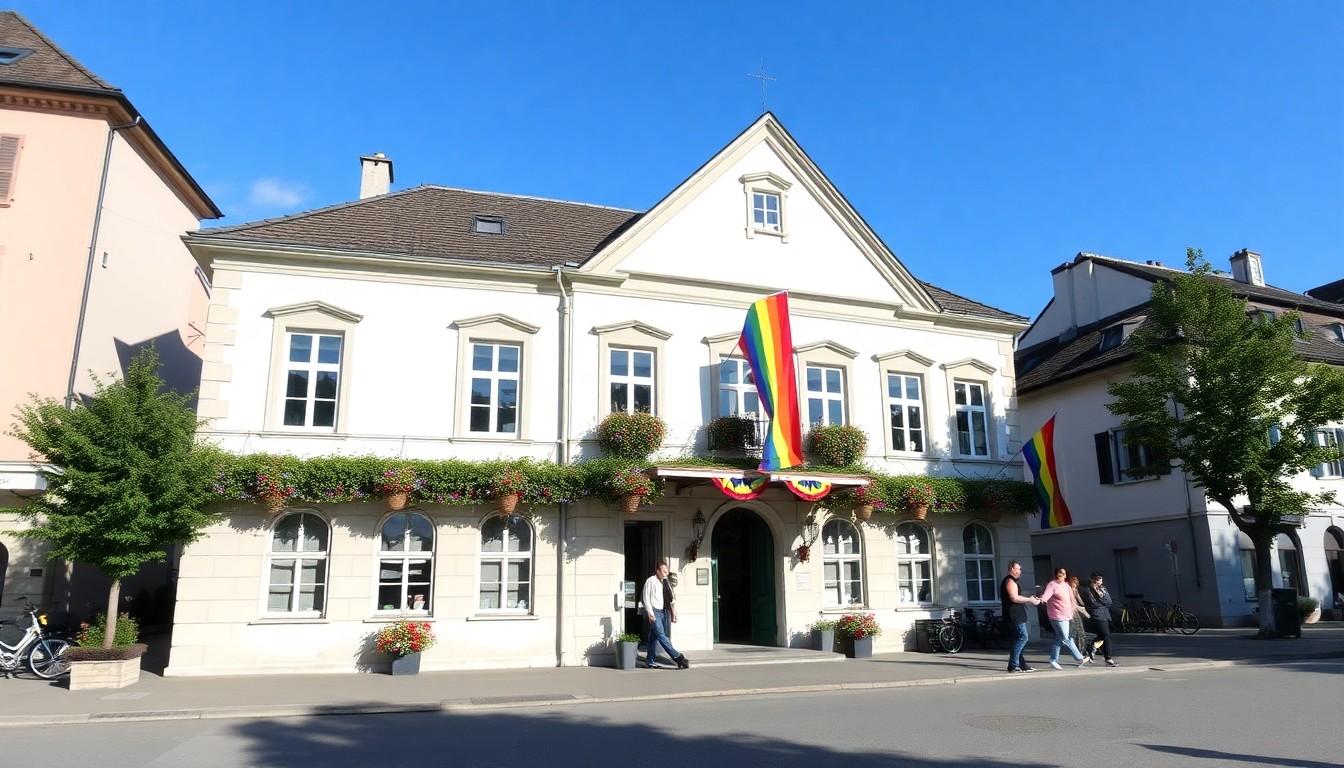
Shoppers, neighbours and activists are converging on Pride events this summer with a fresh focus , climate, cohesion and everyday queer life. Austria’s festivals are mixing parties and protest with panels and practical workshops, making Pride about much more than parades and pronouns.
Essential Takeaways
- New focus: Several Austrian Pride events are foregrounding climate change, renewable energy and democratic resilience alongside queer visibility.
- Mixed programme: Expect parties, film, cook-ups, workshops on extremism and free expert panels , both celebratory and civic.
- Local reach: Organisers emphasise showing queer people as neighbours and colleagues, not just performers; programmes include church services and communal cooking.
- Safer spaces matter: Rising hate-crime figures nationally give added urgency to events that combine celebration with safety and dialogue.
- Accessible entry: Many talks and panels, including key discussions, are free to attend , designed to draw in a broader public.
Why Pride is shifting from identity-only to big-picture issues
Pride week in parts of Austria is trading some of the narrow, hot-button debates for conversations that affect everyone, like how communities respond to climate change. That’s a refreshingly practical pivot, and it comes with familiar sensory notes , the hum of a street fair, the smell of food from communal cooking, sober debate in theatre lights. Organisers say this helps people see queer neighbours as part of everyday life , colleagues at the supermarket, lecturers at the university , not just as a cause to argue over. If you want to understand modern Pride, pay attention to the panels as much as the parade.
How festivals blend party, politics and practical skills
These Pride programmes don’t abandon parties or drag; they add film nights, cook-alongs and workshops on topics such as right-wing extremism and antisemitism. That mix makes events feel less like a single-issue rally and more like a community fair with depth. For instance, you’ll find evening cinema and daytime expert talks sharing a postcode, which invites families and curious locals to linger and learn. If you’re choosing an event, look for diversity in the schedule , it signals organisers are trying to reach beyond the usual crowd.
Climate on the agenda: what that actually looks like
Putting climate at the heart of Pride means panels on renewable energy, local resilience and civic action alongside queer-led climate activism. These discussions ask practical questions: how can LGBTQ+ groups partner with rural communities, what role do young farmers play, and how can everyday behaviour change scale? The benefits are twofold , a chance to connect queerness to universal civic concerns, and an opportunity to forge coalitions for action. Expect concrete takeaways rather than abstract theory: lists, contacts, and possible next steps.
Safety and visibility in a tense moment
National figures show a rise in homophobic crimes, so Pride organisers are balancing celebration with a clear safety agenda. That’s part practical , security planning, outreach to victims’ services , and part cultural: making visible the ordinary ways queer people contribute to city life. The aim is to reduce stigma and encourage reporting, because many incidents go unrecorded. Festivals that foreground both joy and protection send a strong message: visibility should be liberating, not dangerous.
How to pick which Pride events to attend
Decide what you want: spectacle, solidarity or a bit of both. If you’d like to leave with a plan, pick events advertising panels on climate, civic dialogue or workshops on extremism. Want to bring friends or family? Look for community-friendly items like communal meals and church services. Check accessibility details and whether talks are free , many offer low-barrier entry to encourage broader participation. And trust your nose: festivals with a mix of food stalls and serious talks usually feel the most welcoming.
It's a small change that can make every Pride more relevant, safer and more connected to the place you live.
Source Reference Map
Story idea inspired by: [1]
Sources by paragraph: