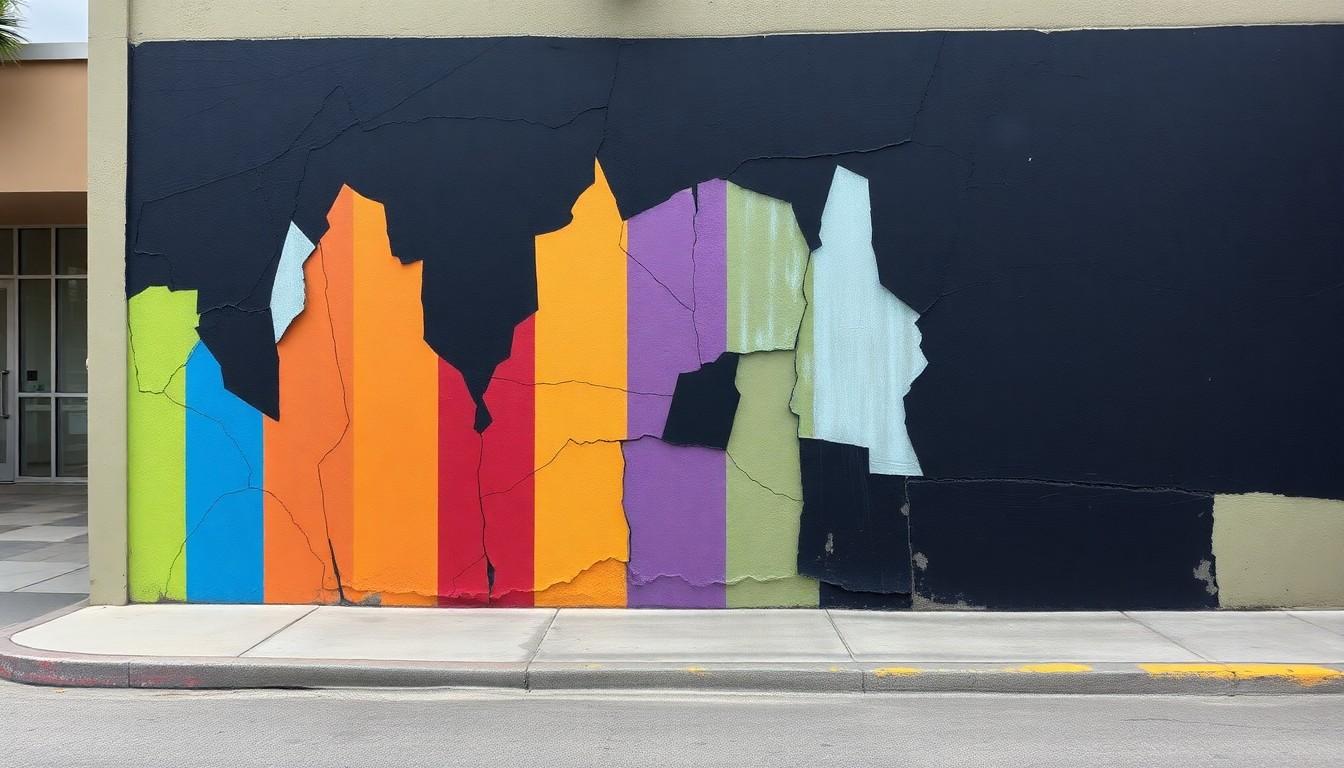
Watch as a painted rainbow quietly fights back , residents, activists and passersby in St. Petersburg are seeing the colours re-emerge beneath a blacked-out street mural, a small but potent reminder that visibility can be stubbornly persistent and deeply meaningful.
Essential Takeaways
- What happened: Florida ordered the Progressive Pride street mural removed from Central Avenue; city officials covered it with black pavement treatment in 2025.
- Unexpected comeback: Over months the black coating has worn away in patches, letting the rainbow colours peek through , a visual and emotional reclaiming.
- Local context: The mural was created by the community in 2020 and became a well-loved landmark for St. Petersburg’s LGBTQ+ scene.
- Broader fight: This resurfacing comes amid wider battles over LGBTQ+ expression in Florida, including legal fights over performances and public art.
- Practical note: The fading reveal is gradual and fragile; advocates are using the moment to push for new, durable ways to preserve queer visibility.
A rainbow that won't stay quiet , the opening reveal
People walking through Central Avenue notice small, bright slashes of colour where the black paint has thinned, and there’s a rare kind of delight in spotting them. According to reporting on local news, the Progressive Pride mural was created in 2020 through community fundraising and quickly became a visual anchor for queer life in St. Petersburg. When state officials moved to erase it in 2025, the city opted to cover the artwork rather than risk state funding complications. The slow reappearance feels almost poetic , a sign that history and memory don’t disappear just because they’re painted over.
How the cover-up came about , the official line and local reaction
The Florida Department of Transportation told the city the mural violated rules on pavement art, and that set the wheels in motion for the black-cover treatment. News outlets documented the decision and the city's compliance, which many residents found upsetting. For people who walked or cycled through that intersection, the mural was more than paint; it was a public statement of belonging. The fact that the rainbow is now showing through lends an almost cinematic arc to the story: official erasure met with slow, everyday reclamation.
What the reveal says about memory and visibility
Underneath the asphalt treatment, the colours have not vanished , they’ve simply been obscured. That’s an intimate metaphor for how communities carry identity through setbacks. Local reporting highlights how the mural’s resurfacing has become a conversation starter about the limits of erasure and the resilience of communal symbols. Artists and activists say moments like this matter because they keep conversations alive, and because the tactile sight of the rainbow returning is more persuasive than any statement.
This isn’t isolated , part of a wider cultural clash in Florida
The mural’s fate sits alongside other state-level actions that have targeted LGBTQ+ visibility, from bans on certain public artworks to restrictions on performances. Courts are still weighing big questions, and rulings this year have kept parts of those laws in play while broader challenges continue. That broader backdrop is why the mural’s slow comeback feels like more than civic trivia , it’s a small, vivid skirmish in a larger cultural contest about who gets to be seen in public space.
What happens next , community options and practical choices
Some locals and organisations are already discussing how to preserve queer history in ways that are harder to erase: think permanent installations, privately funded plaques, or protected works in sanctioned public-art spaces. Practical steps include documenting the mural with photographs, seeking public-art archive listings, or fundraising for weather-proofed replacements elsewhere. If you care, showing up , photographing, sharing responsibly, and supporting local LGBTQ+ cultural groups , makes a difference.
It's a small change that can make every re-emerging stripe feel like a tiny victory.
Source Reference Map
Story idea inspired by: [1]
Sources by paragraph: