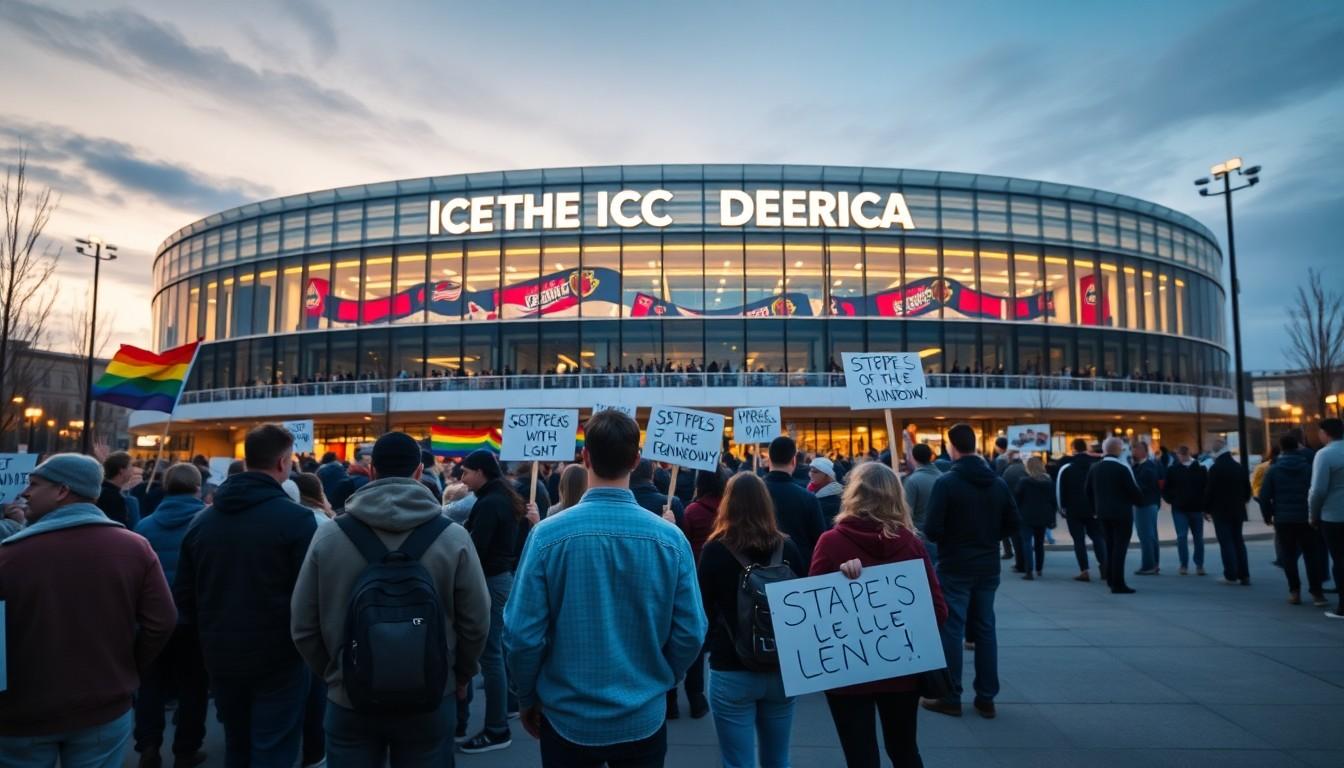
Shoppers of culture and sports noticed a change: the Dallas Stars announced they will not hold a Pride Night in 2026–27, a first in five seasons , instead unveiling a “Hockey Unites Us: Women in Sports Night.” Fans, local outlets and observers are asking what it means for inclusion in sports and why the team made the swap.
Essential Takeaways
- No Pride Night this season: The Stars confirmed they will not host a dedicated Pride Night for 2026–27, breaking a five‑year run.
- New focus announced: The club will stage “Hockey Unites Us: Women in Sports Night” on 23 March against the Carolina Hurricanes.
- Team framing: A Stars spokesperson said the new initiative lets the organisation highlight a different under‑represented community each season.
- NHL policy: The league doesn’t require Pride Nights; teams pick which causes to spotlight, so practices vary across markets.
- Fan reaction: The decision prompted online criticism and debate about inclusivity and whether celebration nights are being treated as optional.
What changed and how it was announced
The line-up of themed nights at American sports arenas is something you notice slowly, until one season it’s suddenly different and fans tweet about it. According to local reporting, the Stars quietly removed a dedicated Pride Night from their calendar for 2026–27 and replaced it with a Women in Sports celebration night in March. The switch was framed internally as an opportunity to rotate which groups get special recognition each year, giving the team cover to broaden its community outreach while dropping a previously regular event.
Why the team says it’s a rotation, and what that means
The club’s spokesperson told media the “Hockey Unites” concept is meant to spotlight a different under‑represented community each season, which sounds inclusive on paper. But coverage shows this is not simply a one‑off label , it’s a deliberate change in programming that lets the organisation decide what to celebrate. That approach buys flexibility, yet it also hands teams discretion over whether LGBTQ+ fans get a headline night in any given year. For fans who’ve come to expect Pride Nights, that discretionary model can feel like a downgrade.
How this fits into wider NHL practice
Not every NHL team runs a standalone Pride Night, because the league doesn’t mandate one. Media tracking of themed nights shows a patchwork: some clubs hold explicit Pride events, others fold LGBTQ+ outreach into broader “Hockey Is For Everyone” programming, and a few haven’t run a dedicated event at all. In the coming season some teams are reinstating Pride Nights while others similarly tweak their calendars, so the Stars’ move sits within a wider reshuffle rather than standing alone.
Fan reaction and the cultural undercurrent
Responses online ranged from disappointment to frustration, with some supporters saying the absence of a Pride Night feels like a retreat from visible inclusion. Others pointed out the practical reality that arenas host many themed nights , Black History, military appreciation, cancer awareness , so choices are often zero‑sum. Local reporting captured both viewpoints, and the conversation underscored a common tension: sport organisations juggling community outreach, sponsor relations and fan expectations.
How to read the decision as a fan or season‑ticket holder
If you’re a fan wondering what to do, consider three simple moves: ask the club for a clear calendar of inclusion events, talk to fellow supporters about representing LGBTQ+ fans at other games, and vote with your attendance or wallet if visibility matters to you. Clubs notice engagement , so a strong showing at any inclusion‑themed event, whether it’s Hockey Is For Everyone or a dedicated Pride Night returned the next year, signals what fans want.
It's a small change that will likely spark a bigger conversation about how teams show up for all their fans.
Source Reference Map
Story idea inspired by: [1]
Sources by paragraph: