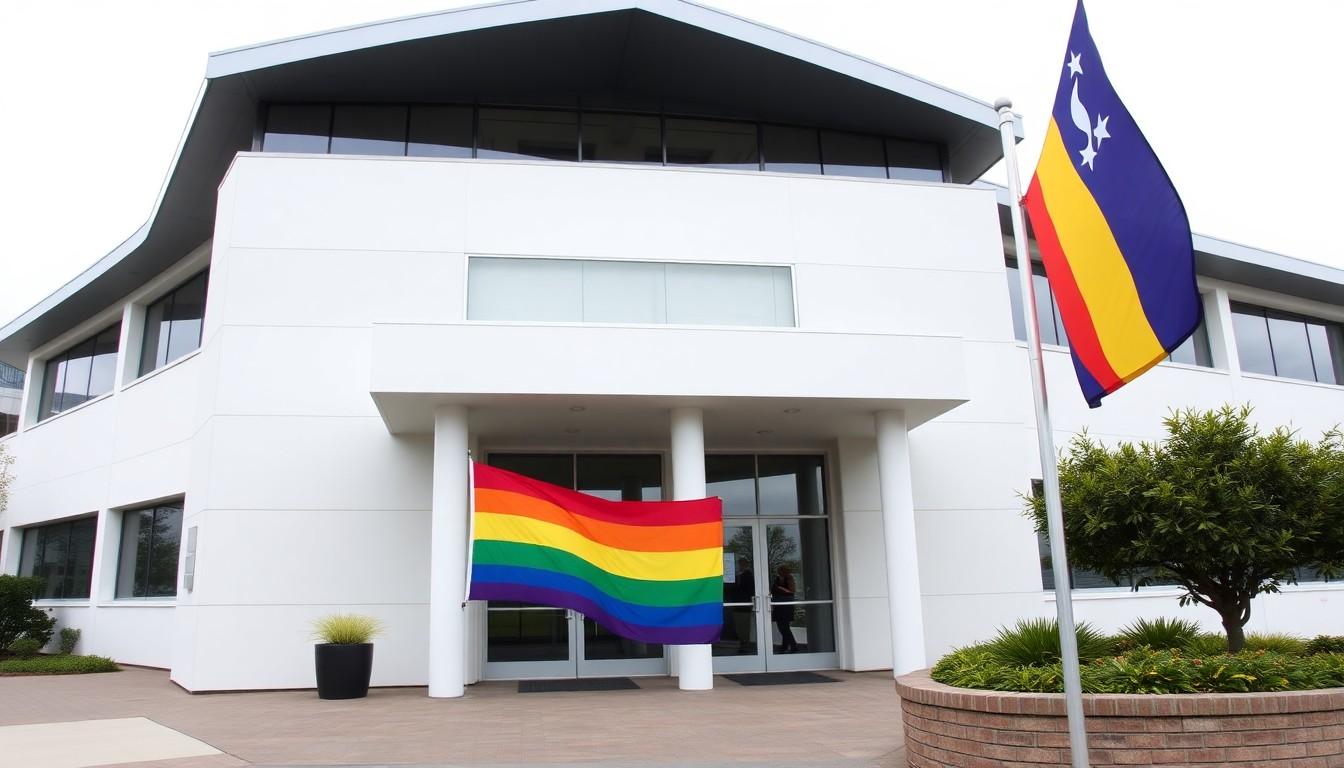
Shoppers of policy debates, take note: Tasmanians are watching a fraught fight over a Greens bill to outlaw conversion practices, with the Deputy Premier warning the draft could criminalise prayers while advocates say it’s urgently needed to stop real harm. Here’s what’s at stake and how the debate could affect LGBTIQA+ people across the state.
Essential Takeaways
- Immediate concern: Deputy Premier Guy Barnett says the Greens’ bill risks criminalising private conversations or prayer, calling it “fundamentally flawed” and urging more inquiry.
- Advocates’ view: Equality Tasmania argues the bill targets harmful, unqualified treatments that leave people traumatised and at higher risk of suicide.
- Evidence cited: Local and national studies, including work commissioned by the Tasmanian government, suggest around 1 in 20 LGBTIQA+ Tasmanians experience conversion practices.
- Comparison point: Supporters note similar laws in Victoria and NSW have not led to prosecutions for conversations or religious practices.
- Political friction: Calls for further consultation are framed by advocates as delay tactics that could keep Tasmania trailing other states on reform.
Why the row feels so personal , the human cost behind the paperwork
The sharpest thing about this debate is the human detail: conversion practices aren’t an abstract legal problem, they’re therapies and interventions people are dragged into, often by trusted family or clergy, that leave them worse off. Equality Tasmania says those subjected to so-called “treatments” report PTSD and much higher rates of suicide attempts. That’s why advocates sound so urgent; they want law that protects, not tinkers.
The current clash began after correspondence revealed Deputy Premier Guy Barnett’s objections to the Greens’ bill. He told community groups the draft could sweep too widely and criminalise private speech in churches. But campaigners point to other states’ experience to argue those fears haven’t materialised where bans have been passed.
What the Greens’ bill actually aims to stop , treatments, not prayers
At its heart the Greens’ proposal targets practices that claim to change or suppress sexual orientation or gender identity, especially where those “therapies” are offered by people without relevant qualifications. Equality Tasmania frames it bluntly: these are promises to “heal” something that isn’t an illness and they often inflict deep harm.
Similar wording appears in laws already operating in Victoria and New South Wales. Supporters stress that those statutes include clear exemptions for legitimate religious expression and medical care, and that fears about criminalising private conversations have not come true in practice.
The political tug-of-war , delay vs guaranteed reform
Barnett and groups like Women Speak Tasmania are calling for another inquiry, arguing more scrutiny is needed before parliament debates the bill. Advocates retort that Tasmania has already had extensive consultation, including a 2022 Tasmanian Law Reform Institute inquiry, and that further rounds look like stalling.
There’s a political texture here: Tasmania was late to decriminalise homosexuality historically, and campaigners warn the state risks lagging again. For people campaigning for change, legal clarity now means stopping harm sooner rather than later.
Evidence and precedent , do other states show the sky will fall?
Supporters of the Greens’ bill point to Victoria and NSW as working examples. According to advocacy groups and reporting, those jurisdictions have not seen prosecutions for private conversations or prayers; the laws have been used to target coercive, pseudo-therapeutic practices. That gives reformers confidence the Tasmanian text can be crafted to protect free religious expression while prohibiting harmful, unregulated practices.
For legislators and voters, the question is technical but decisive: can the bill be tightened to avoid unintended consequences while still banning the core harms? Drafting that balance is the legal task, but for many activists it’s also a moral one.
How this affects families and faith communities , guidance for everyday choices
If you’re a parent, faith leader or local health professional, the debate might feel distant until it’s not. Practical guidance from campaigners includes: prioritise evidence-based mental health care; avoid referring people to unregulated “conversion” services; and create spaces where gender and sexual diversity can be discussed without shame.
Religious leaders worried about pastoral conversations should note other state laws include explicit protections for private prayer and pastoral care. So a constructive next step is practical dialogue between lawmakers and faith communities to make those safeguards clear in the text.
It's a small change to wording that could make every life safer and every conversation clearer.
Source Reference Map
Story idea inspired by: [1]
Sources by paragraph: