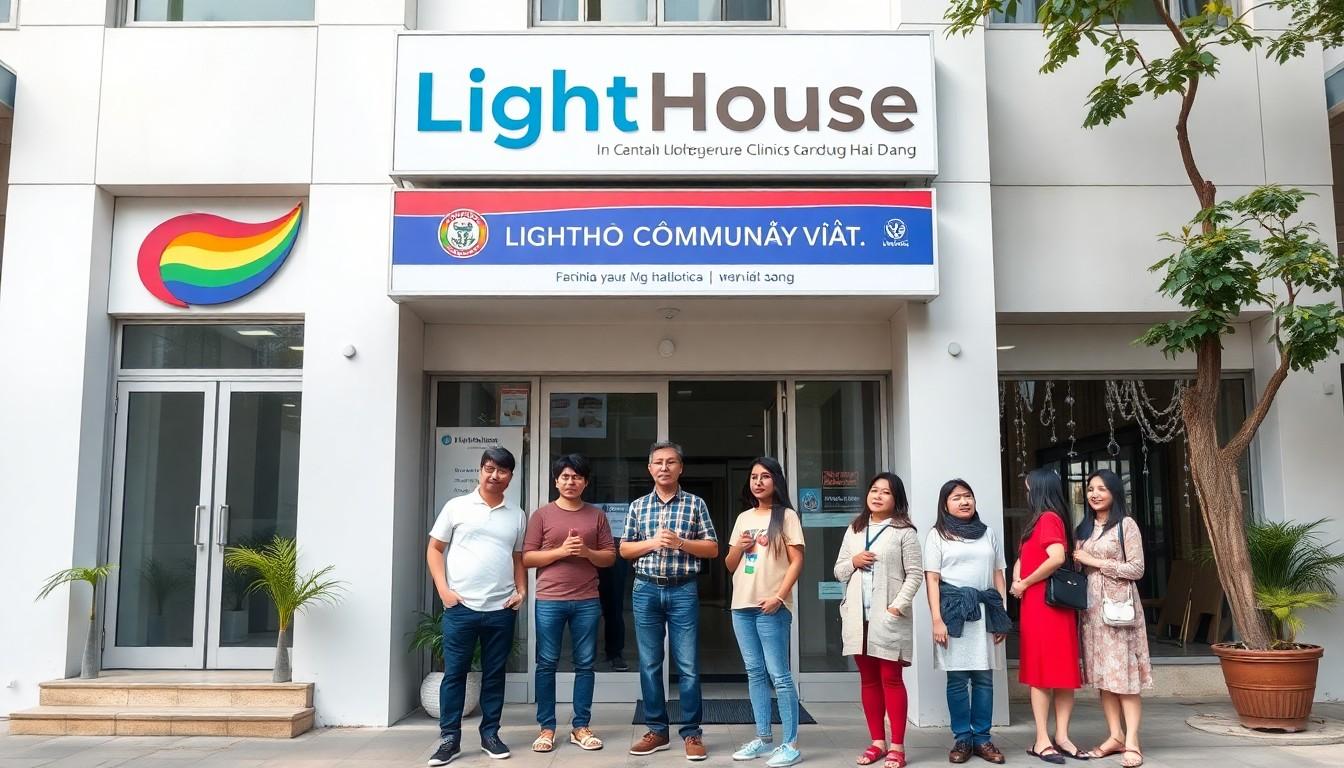
Shoppers are turning to community clinics and grassroots groups as lifelines; Vietnam’s fight against HIV/AIDS mixes prevention, treatment and stigma-busting where it matters most. This piece looks at who’s affected, which local services are working, and practical steps communities and policymakers can take to keep people healthy and economically secure.
Essential Takeaways
- Rising numbers: Roughly 270,000 people in Vietnam were living with HIV by 2024, up from earlier estimates, creating ongoing public-health and social pressures.
- Vulnerable groups: People who inject drugs, men who have sex with men, transgender women and sex workers face the highest risks and barriers to care.
- Community care works: Local organisations like Hai Dang (LightHouse) provide testing, PrEP/PEP, STI services and stigma-reduction campaigns that improve access and outcomes.
- Poverty link: HIV both results from and deepens poverty , treatment costs, lost earnings and caregiving can push families into long-term hardship.
- Simple steps help: Better needle access, repeat testing, treatment as prevention (U=U) education and targeted outreach make prevention practical and effective.
Communities, clinics and a practical touch: the frontline of prevention
Community clinics feel familiar and human in a way big hospitals sometimes don’t, and that’s part of their power. Hai Dang’s Lighthouse Clinic, for instance, offers a combination of general health checks, HIV counselling, PrEP and PEP services and STI screening , services that people say are easier to use than formal hospital routes. According to the clinic’s own description, these walk-in and outreach approaches make it simpler for marginalised people to seek help without fear. For readers, the takeaway is clear: approachable local care increases testing and treatment uptake, which lowers transmission and helps people stay at work.
Who’s most affected and why this matters socially and economically
Patterns of infection aren’t random. Men who have sex with men, people who inject drugs, transgender women and sex workers bear disproportionate burdens, and poverty compounds the problem. UNDP analysis has shown household vulnerability rises when a member has HIV, because treatment and caregiving costs sap savings and work hours. That ripple effect matters: when wage earners fall ill, children’s schooling and family nutrition can suffer. So tackling HIV is also an anti-poverty strategy.
Harm reduction and migration: practical prevention where behaviour meets economics
Sharing needles remains a leading transmission route among people who inject drugs, especially where clean supplies are scarce. Harm-reduction measures such as needle-and-syringe programmes and accessible opioid substitution therapy reduce new infections and save lives. Meanwhile, internal and cross-border migration for work increases exposure to higher-risk environments; long stretches away from family and support networks can lead to risky sex or drug use. Employers, local health departments and NGOs can plug gaps by providing mobile testing, condoms and education at transit hubs and work sites.
Treatment as prevention and the power of clear messaging
Public-health messaging has shifted with the science: when people living with HIV take antiretroviral therapy consistently and reach an undetectable viral load, they can’t sexually transmit the virus. Campaigns like K=K (or U=U) have helped normalise that message, and community groups have been essential in explaining it in local language and context. That kind of clarity reduces fear, encourages treatment adherence and defeats stigma , all practical, evidence-driven ways to cut transmission.
Stigma, policy and the community organisations filling gaps
Stigma remains one of the thorniest barriers to testing and care, and that’s where community organisations shine. Hai Dang’s outreach, peer education and social-media campaigns have connected people to services while challenging discriminatory attitudes. At the policy level, scaling community-led models, funding harm-reduction programmes and ensuring universal access to antiretroviral therapy are obvious next steps. For ordinary people, supporting local clinics and backing policies that expand needle access, PrEP availability and non-discriminatory care will make the biggest practical difference.
It's a small change that can make every referral, test and prescription count.
Source Reference Map
Story idea inspired by: [1]
Sources by paragraph: