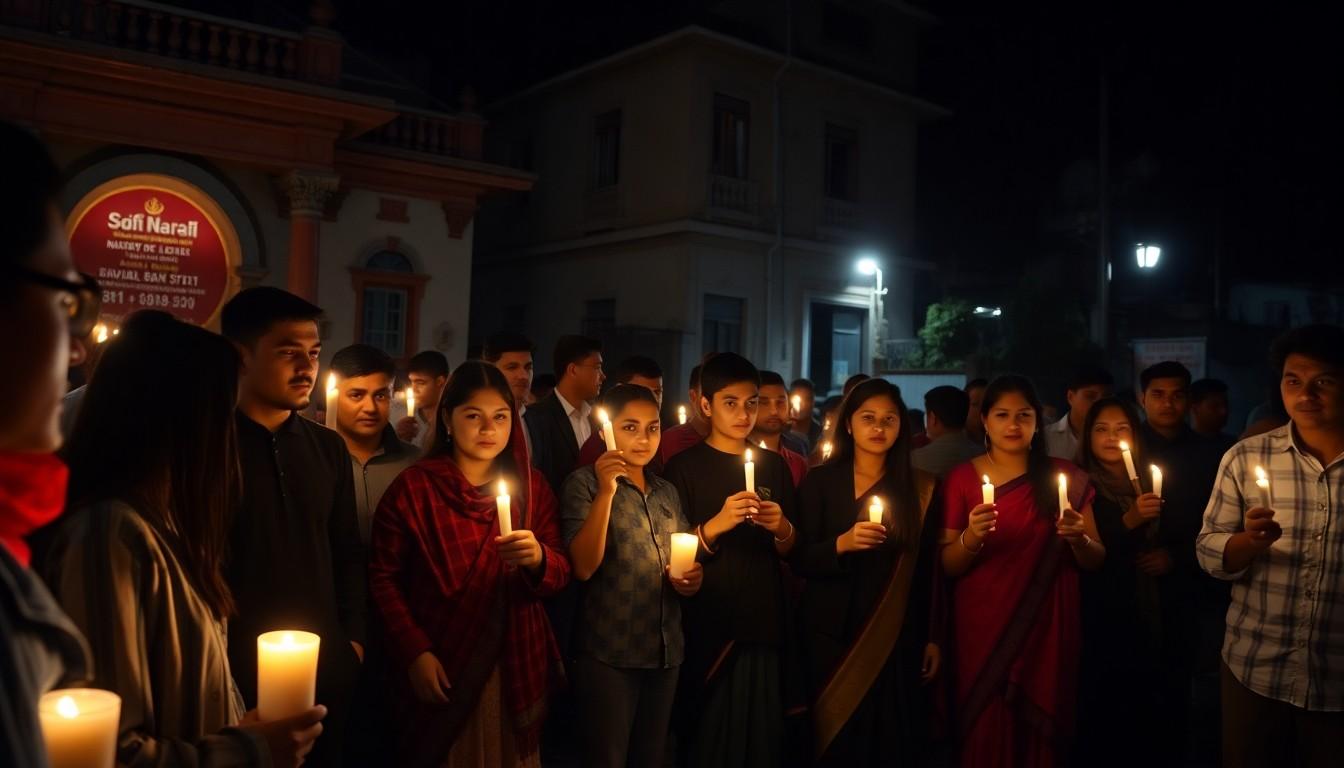
Gathered candles and quiet hands: members of Kathmandu’s LGBTQ+ community held a sombre candlelight vigil to honour scores killed by the devastating flash floods, offering solidarity, prayer and a public reminder that grief crosses every community in Nepal.
Essential Takeaways
- Who gathered: LGBTQ+ activists and allies led by the Blue Diamond Society (BDS) met at Khulla Manch for a small condolence event.
- Why it changed: BDS cancelled its larger Pride Parade and GaiJatra Celebration and replaced them with the vigil out of respect for victims.
- Human scale: The floods have left hundreds dead and nearly 2,500 missing, with communities across central Nepal reeling.
- Tone and detail: The vigil was quiet and reflective , candles, moments of silence, and prayers for those missing felt both intimate and public.
A quiet public grief that felt like family
The most striking moment at Khulla Manch was the hush: candles glowing, faces lit softly, a group usually seen as campaigning for visibility choosing to step back and mourn. According to local reports, members said they organised a small gathering to pray for those who lost their lives and for the safe return of the missing. There’s a human warmth in that image , a community known for fighting for space choosing to give space to others.
This wasn’t a spontaneous act; it followed the decision to cancel larger Pride events that had been planned for later in August. The choice to swap parade flags for candles underscored both respect for the scale of the disaster and a sense that public celebration would feel out of step while rescue teams combed debris downstream.
How the floods reshaped public life in central Nepal
The flash floods followed a glacial collapse near the Nepal–Tibet border and triggered an ice-rock avalanche that sent water, mud and debris hurtling into towns below. Rescue crews have been pulling bodies from riverbeds and wreckage across eight districts as they search for nearly 2,500 people still unaccounted for.
Infrastructure damage has been widespread, with roads and hydropower stations hit hard. That practical fallout helps explain why groups, from civic organisations to cultural festivals, have paused to reassess how , and whether , to gather in public.
Why the Blue Diamond Society’s response matters
When a prominent NGO that advocates for marginalised people chooses condolence over celebration, it sends a clear message about community priorities. BDS said it wanted to provide "a quiet space to remember" and to express collective grief and solidarity. For many, that kind of pivot signals leadership: acknowledging loss, modelling restraint, and creating a monitored, safe way to mourn together.
Practically, small vigils are easier to manage in terms of safety and logistics. If you’re organising or attending something similar, pick a central, accessible spot, keep numbers manageable, and maintain clear lines of communication with participants and local authorities.
Small rituals, real practical help
Vigils do more than mark sorrow; they create networks. People who came to light candles may also connect to relief drives, donate blood, volunteer at shelters or help family tracing efforts. Community groups often become hubs for both emotional support and practical aid. If you want to help from afar, reliable routes include verified disaster relief funds, registered NGOs working on the ground, and official family-reunification efforts.
If you’re local and want to join a vigil or volunteer action, check organisers’ social posts or local community channels for updates and safety guidance before heading out.
What this says about solidarity in crisis
This gathering in Kathmandu was a reminder that solidarity isn’t only a slogan on a banner; sometimes it’s the soft weight of a candle in your hand. According to reporting on the disaster, tens of thousands of people have been affected and the death toll has climbed sharply. In that context, small, public acts of mourning by any group help knit a city together at a time of shock.
Outlook-wise, this looks like the start of longer recovery work: search operations will continue, aid will need coordination, and community-led responses , whether vigils or relief efforts , will be part of how Nepal heals.
It’s a small ritual that matters; it helps people feel less alone.
Source Reference Map
Story idea inspired by: [1]
Sources by paragraph: