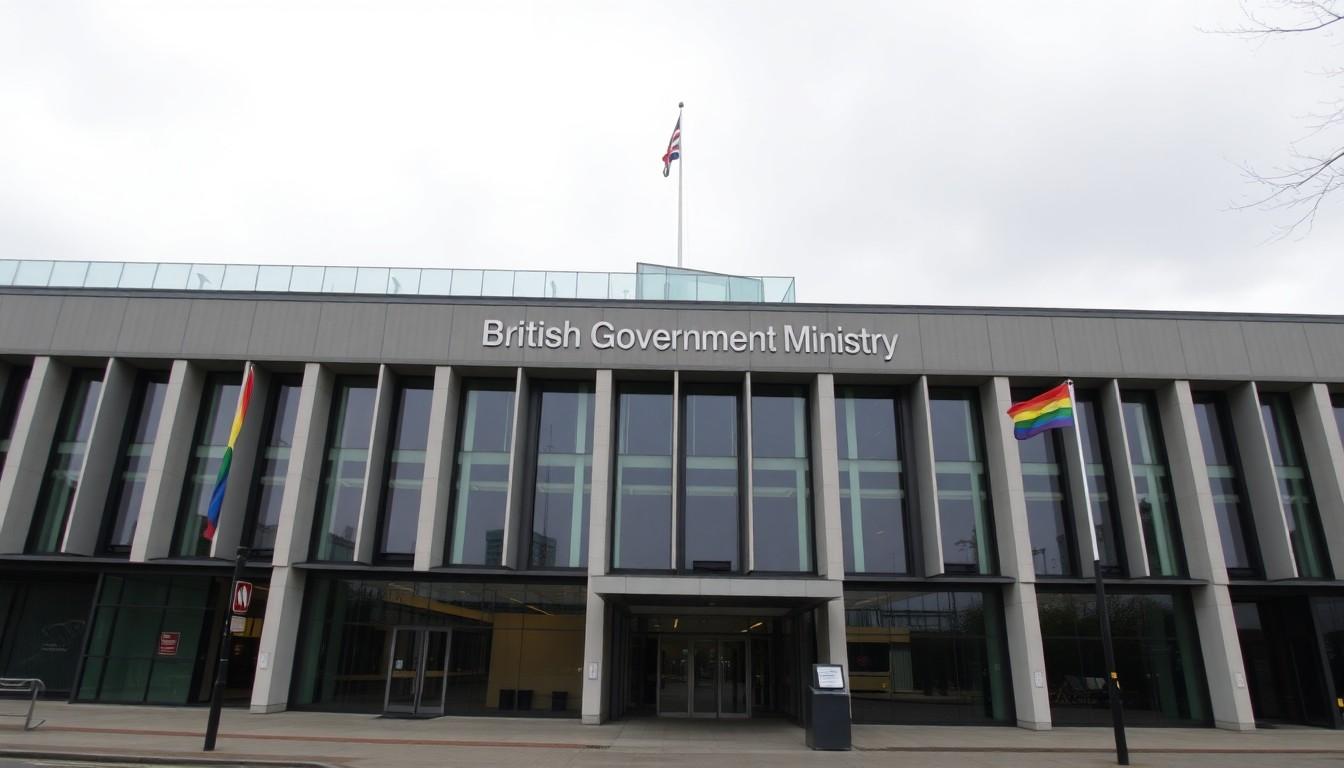
Shocked by the scale of online abuse, Defence Secretary Wes Streeting has spoken out about an “unbelievable” wave of homophobic attacks since taking his post , a reminder that progress in rights can be messy, contested and deeply personal for leaders. Here’s what happened, why it matters and practical steps people and institutions can take.
Essential Takeaways
- Unprecedented abuse: Wes Streeting says he has received an “unbelievable volume” of online homophobic messages since becoming Defence Secretary, more than in his whole life.
- Historic context: The UK banned openly gay service for decades; veterans harmed by past policies can apply for compensation under a redress scheme.
- Public responses matter: Colleagues and broadcasters publicly condemned homophobic callers, highlighting a shift in social tolerance and accountability.
- Practical help: Streeting’s messages to young people stressed resilience and the reality that attitudes are improving, even if setbacks persist.
- Institutional duty: The Ministry of Defence and public platforms are under pressure to protect staff and counter abuse.
Streeting’s revelation: a frontline of abuse and resilience
Wes Streeting has said he’s never seen so much homophobic vitriol in his life, and hearing that is both shocking and oddly familiar. According to reports, the volume of abuse surged after he became Defence Secretary, with some callers and social-media users openly hostile to the idea of a gay person leading the armed forces. The emotional texture of the story is immediate , anger, hurt and the steady, almost weary pride of someone used to public life.
This isn’t just harassment of a politician. It’s a test of how public institutions, media platforms and communities respond when prejudice rears up. Broadcasters like LBC publicly rebuked callers, and colleagues expressed support, signalling that such behaviour no longer passes without consequence.
Why the reaction feels so charged: history and symbolism
The row lands against a painful backdrop. For decades, armed forces policy excluded or punished LGBT people, with intrusive investigations and dismissals until the ban finally ended. That history gives Streeting’s appointment symbolic weight: it’s not simply a job, it’s proof of change. For some, that shift feels threatening , which helps explain why the backlash has been so intense.
Industry reporting and commentators have pointed out that institutions carry both the memory of past injustices and the power to protect progress. That’s why compensation schemes for veterans who suffered discrimination are being publicised now and why this episode has rekindled debate about redress and recognition.
Public pushback: why bystanders and platforms matter
When homophobic callers were allowed airtime, presenters and listeners pushed back hard. Broadcasters condemned the remarks, and social-media exchanges amplified both abuse and rebuttal. These moments show the practical importance of platform moderation and editorial choices in shaping public discourse.
If you’re concerned about abuse online, there are practical steps: report hateful content, use block and mute tools, and keep records if harassment escalates. Employers and public bodies should also offer clear reporting routes and swift support for staff targeted because of identity.
What Streeting’s message means for younger people
Streeting’s response to the attacks blended defiance and reassurance. He told young people who fear similar prejudice that things do improve, and that resilience and community will help them through. That tone matters: public figures who face abuse can model how to stand firm while calling out harm.
For parents, teachers and youth workers, his words are a prompt to bolster support networks, teach digital resilience and ensure young LGBT people know where to find help when online hostility hits.
Looking ahead: policy, protection and everyday change
This episode should nudge institutions to act: better safety on social platforms, clear workplace anti-abuse policies and ongoing public education about the harms of prejudice. The Ministry of Defence, media outlets and social networks all have roles to play in preventing others from being targeted in the same way.
In short, the story is a reminder that progress isn’t a straight line. It’s worth celebrating that a gay man now leads the MoD, and it’s worth confronting the angry backlash that sometimes follows.
It's a small change that can make every public space a little safer.
Source Reference Map
Story idea inspired by: [1]
Sources by paragraph: