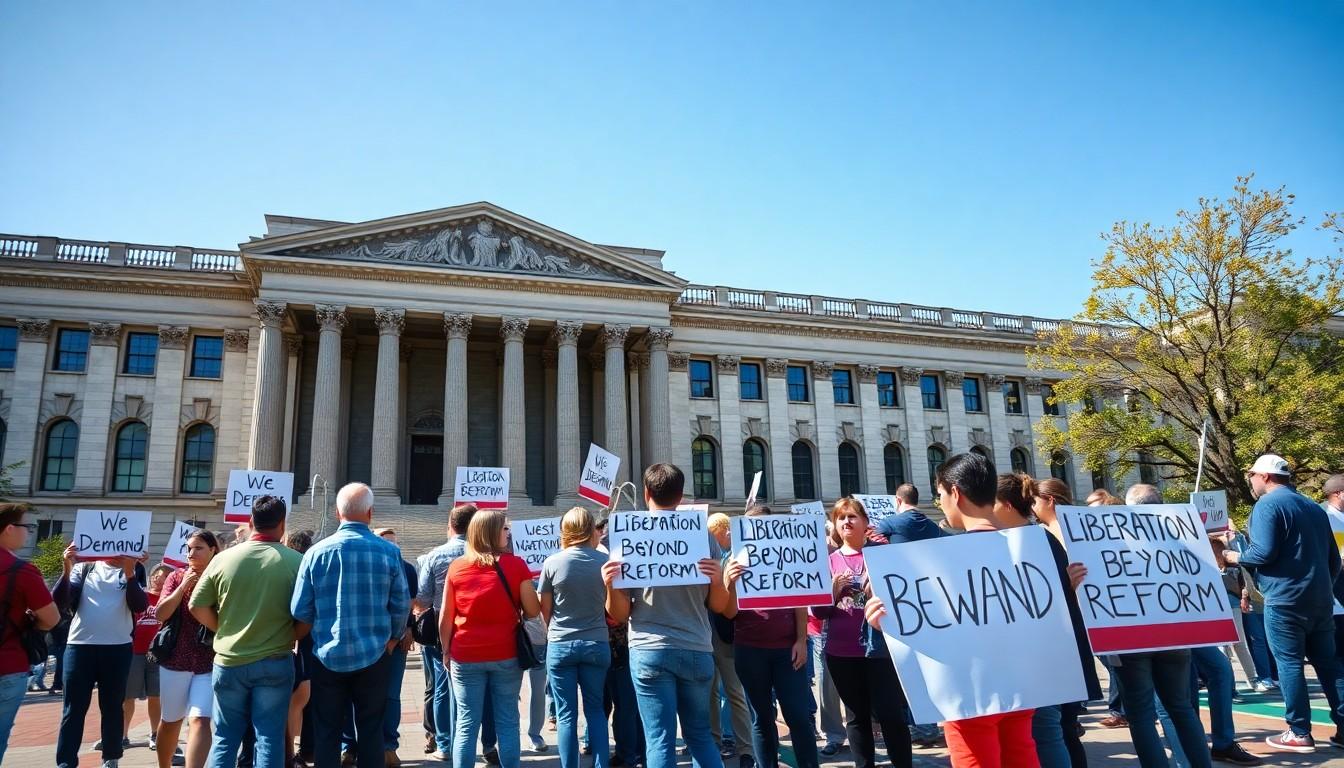
Shoppers are turning to history as Pride returns to Ottawa: a 1971 Parliament Hill rally by 100–200 gay and lesbian activists, known as We Demand, shaped the city’s late‑August Pride and still asks the uncomfortable question of what liberation actually means. Here’s why that matters now.
Essential Takeaways
- Founding act: We Demand (August 1971) brought roughly 100–200 activists to Parliament Hill with 10 demands for federal change.
- Legal vs lived change: The 1969 Criminal Code reforms eased some laws but didn’t stop discrimination, raids or surveillance.
- Pride’s double life: Today’s celebrations mix joy with commerce and politics; some see corporate engagement, others see dilution.
- Coalitional roots: Experts like Dr Patrizia Gentile argue Pride stays meaningful when it links queer liberation to anti‑racism, disability justice, decolonisation and poverty.
- Practical note: Not everyone experiences Pride as a party, visibility can still be dangerous for many community members.
Why We Demand still feels urgent , a sharp, August afternoon on Parliament Hill
On an August day in 1971, people gathered on Parliament Hill with a sharp, uncompromising message: changing a statute behind closed doors wasn’t the same as safety in the street. According to city archives and historians, the We Demand demonstration was among Canada’s first national queer protests, and its visual , people in public, visible and vocal , was startling for its time. Carleton University scholars point out that the rally responded directly to the 1969 Criminal Code changes, which removed some offences in private but left policing, discrimination and social stigma untouched.
The messy middle: legal reform didn’t mean instant freedom
It’s tempting to draw a neat line from 1969 to liberation, but the reality was messier. The so‑called decriminalisation left many at risk: police raids on bars and bathhouses continued, and national‑security campaigns targeted queer people into the 1970s and beyond. Dr Patrizia Gentile’s work on national security and sexual regulation reminds us that laws change punctuation, not always the paragraph. If you’re choosing where to volunteer or donate this Pride season, look for groups that tackle housing, legal support and anti‑surveillance work , that’s where the gaps still are.
How Pride became both parade and marketplace
Over five decades, Pride grew from a protest into a public institution: parades, floats, branded rainbows and corporate sponsorship now share the streets with protest banners and community stalls. That evolution has benefits , visibility, funding, wider acceptance , but it also raises questions about who gets to set the agenda. The practical test is simple: ask whether events and sponsors uplift the most marginalised in the community, not only the most visible. If a Pride event features trans‑led or anti‑racist programming, that’s a sign its organisers remember the movement’s roots.
Coalitions matter: linking queer liberation to other struggles
Gentile and community organisers stress that Pride’s power was always its coalitional politics , connecting queer rights to struggles over race, class, disability and decolonisation. Marches like the Dyke and Trans March show how specific groups within the larger movement keep politics sharp. For anyone planning to attend or support Pride, that means showing up for panels on housing insecurity, donating to mutual‑aid tables, and amplifying voices beyond the party zone.
What celebrating responsibly looks like this August
Showing up to a parade is joyful, but it can also be political work. Simple steps make a difference: prioritise vendors that are community run, support spaces that offer funds to those in crisis, and be mindful that visibility isn’t safe for all. Municipal archives and local histories are full of names and stories you won’t see on branded banners , seek them out. And if you’re an employer or sponsor, fund long‑term initiatives rather than just slapping a rainbow on a logo.
It's a small change that can make every celebration more faithful to what was demanded on Parliament Hill.
Source Reference Map
Story idea inspired by: [1]
Sources by paragraph: