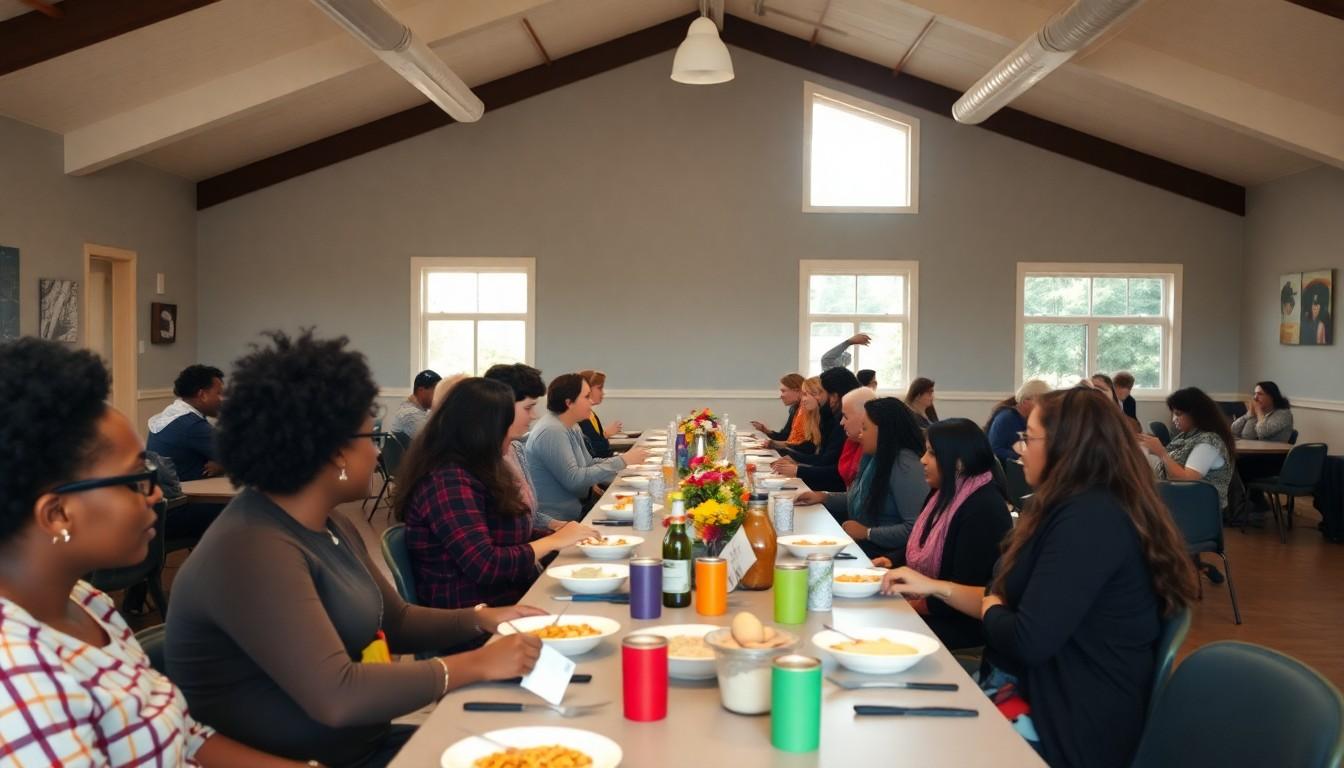
Shoppers are turning to quieter, kinder ways to mark Pride , and Ottawa’s Toast of Tenderness shows why. The Dykes of Colour Brunch, created by Yamikani Msosa, offers a morning of food, storytelling and elder-led care for Black, Indigenous and racialized Queer femmes and Non-Binary people, reshaping what Pride can feel like.
Essential Takeaways
- Origins: Yamikani Msosa launched the Dykes of Colour Brunch in 2017 to create a sober, race-centred space on Dyke Day.
- Focus: The event prioritises nourishment, pleasure and community care over visibility politics and institutional recognition.
- Format: Free, morning gathering with food, music and storytelling that brings elders, artists and organisers together.
- Atmosphere: Warm, reflective and restorative , attendees report feeling seen, safe and able to “stay soft.”
- Legacy: The brunch connects to Black feminist traditions of collective survival and pleasure activism.
Why a brunch matters: nourishment as resistance
There’s something quietly radical about sharing a table in the right company, and at Toast of Tenderness that table is built deliberately for QTBIPOC people. The sensory detail is simple: morning light, steaming plates, low conversation , and relief from the constant work of explaining yourself. Msosa noticed Ottawa lacked these kinds of gatherings and chose brunch because eating together is inherently nourishing and grounding. For people juggling racism, transphobia or economic marginalisation, a meal that’s also a refuge is not a luxury, it’s care.
How it started: from observation to action
Msosa brought the idea to life in 2017 after years of organising and living between cities. Rather than asking mainstream Pride organisations to change, they chose to create a space that reflected their community’s rhythms. The event’s sober, morning slot before the Dyke March was intentional: it makes room for different needs and creates a gentle entry into a busy day. This founding story matters because it reframes organising as making life better day-to-day, not only winning recognition on someone else’s terms.
What happens there: elders, stories and slow rituals
Toast of Tenderness centres storytelling and intergenerational connection. Invited elders and artists , people like Indigiqueer storytellers and community organisers , help anchor the brunch in living histories. That matters in a city where queer history can feel recent or erased; bringing older voices prevents the movement from being “Christopher Columbus’d” into existence overnight. The event doubles as informal archiving: memories shared around the table become part of a community record that’s handed down in person.
A new kind of Pride ritual: pleasure, rest and community care
This brunch reframes Pride from protest choreography to what Msosa calls pleasure activism. Organising around rest and joy reduces burnout and sustains people who do the heavy lifting for movements. It’s a Black feminist approach that treats survival and joy as inseparable. Practically, that means free entry, accessible timing and programming that values listening as much as speeches. If you organise or attend Pride events, try asking what would make people feel cared for rather than visible , you might discover small but powerful changes.
Tips if you want to host or join something similar
Start with food and relationship before publicity: a simple meal invites people to stay. Make space for elders and storytellers; oral histories are priceless and easy to facilitate. Consider timing: a sober, daytime slot can be more inclusive for elders, families, or folks who avoid late-night events. Keep it low-cost or free where possible, and centre those most marginalised in planning and leadership. Finally, measure success by connection and care, not headcounts or press.
It’s a small shift that makes Pride feel like belonging.
Source Reference Map
Story idea inspired by: [1]
Sources by paragraph: