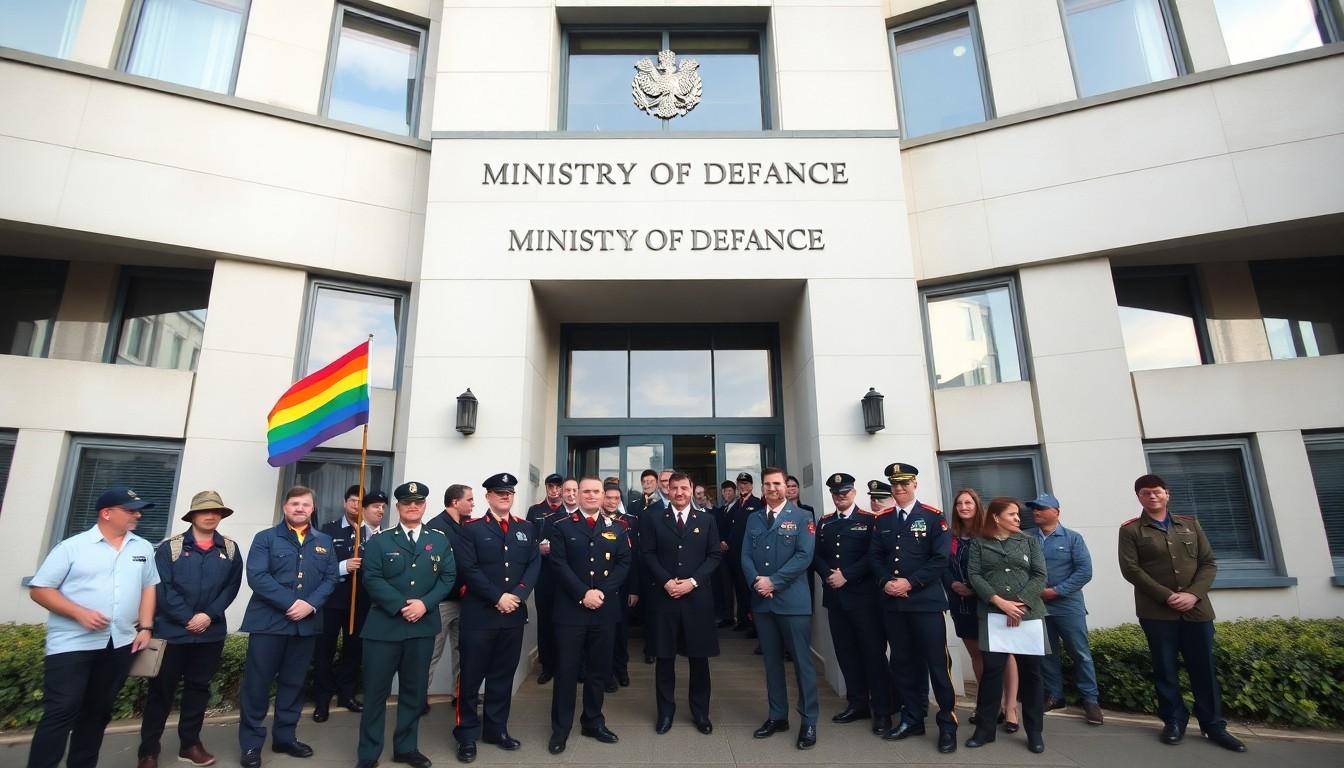
Watch how a quiet change becomes a visible moment, Wes Streeting’s appointment as the UK’s first openly gay defence secretary has been welcomed inside the Ministry of Defence, but it’s also prompted a flood of online homophobic abuse, highlighting both progress and the work still to be done.
Essential Takeaways
- Historic first: Wes Streeting is the first openly gay person to serve as the UK’s defence secretary, a symbolic milestone for LGBT people in the armed forces.
- Mixed reactions: Some MoD staff privately expressed pride and relief, saying his appointment signals change; others have reacted with abusive online messages.
- Legacy of the ban: Gay men and lesbian women were barred from serving openly until 2000, with hundreds expelled each year under that policy.
- Compensation scheme: The government’s LGBT Financial Recognition Scheme offers payments of up to £70,000 to veterans dismissed under the ban, though processing and award levels have prompted criticism and legal challenges.
- International contrast: Streeting will liaise with allies whose leaders take a very different approach to inclusion, offering a striking contrast in defence leadership styles.
A landmark appointment that still stirs reaction
Streeting’s elevation to the defence brief reads like a tidy sign of social progress , and yet his first weeks on the job have been noisy. He told a podcast he’d received more online homophobia in three weeks than in his whole life, a sensory detail that tells you how ugly public reaction can still be. According to reporting in national outlets, the volume of abuse suggests that while institutions may have moved on, some corners of the internet haven’t.
The backstory matters: until 2000, LGBT personnel faced formal bans, forced exits and reputational damage. That memory gives Streeting’s role extra weight inside the MoD, where staff who remember the “bad old days” reportedly felt moved by his appointment. It’s a reminder that representation can be quietly reassuring as well as headline-grabbing.
What this means for veterans and the compensation debate
The UK government set up the LGBT Financial Recognition Scheme to acknowledge historic wrongs, offering up to £70,000 to people dismissed because of the ban. That policy followed long campaigning, but has been criticised for slow processing and for variations in payment depending on whether someone was dismissed or resigned.
Practical point: if you or a veteran you know believes they’re eligible, check the official guidance and deadlines carefully and consider legal advice if the award offered seems lower due to the technical distinction between resignation and dismissal. The scheme is welcome, but the detail matters for those counting on it.
Inside the MoD: pride, pragmatism and quiet relief
Not everyone inside defence is shouting from the rafters, but some personnel told Streeting directly that his appointment meant a lot to those who remember expulsions and secrecy. That kind of private pride often translates into workplace morale, a subtle but important benefit in a hierarchical service where cohesion matters.
That said, real change is practical as well as symbolic. Policies, training and culture have to align so that representation doesn’t remain only a headline. Expect the MoD to emphasise operational continuity and inclusion programmes while Streeting settles in.
How this contrasts with international partners
Streeting will engage with defence counterparts whose approaches are far less inclusive. Recent policy moves elsewhere , including proposals to test troops for hormone levels and actions against LGBT memorials , underline a transatlantic contrast in attitudes. Those differences make him a visible counterpoint, not just back home but on the diplomatic and military stage.
For anyone watching, it’s a reminder that defence leadership isn’t solely about kit and doctrine; it’s about values and the message a country sends about who is fit to serve.
Why the online backlash matters , and what to do about it
Abuse aimed at public figures doesn’t exist in a vacuum; it ripples into workplaces and communities. Streeting’s experience highlights how social media amplifies hostility, even when mainstream coverage barely mentions a minister’s sexuality.
If you encounter or witness online abuse, platforms offer reporting routes and many organisations provide guidance for supporting people targeted by hate. For public organisations, clear reporting channels and support for staff are practical must-haves.
It’s a small change that can make every chew safer.
Source Reference Map
Story idea inspired by: [1]
Sources by paragraph: