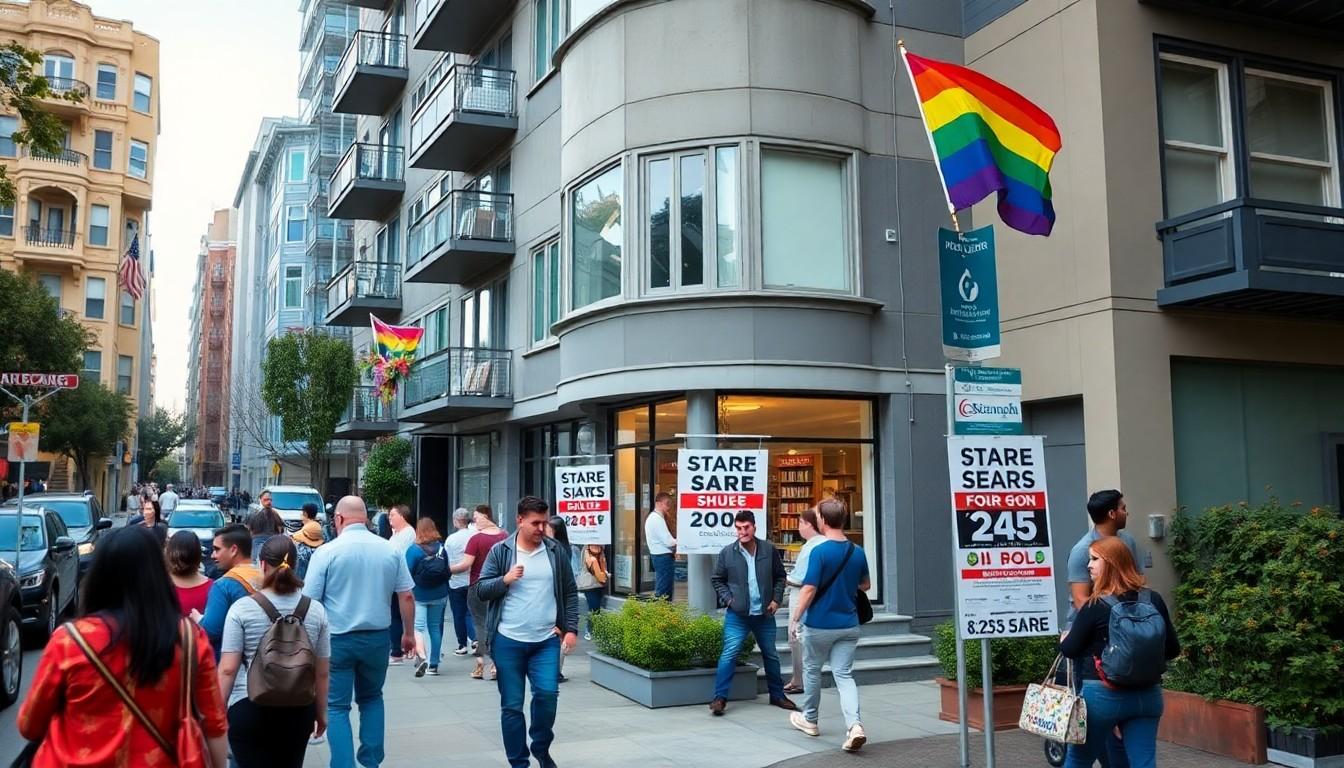
Shoppers are returning to San Francisco’s housing market, and LGBTQ buyers are weighing where to plant roots amid high prices, neighbourhood quirks and a still-tight supply , here’s what’s changing, why it matters, and how to make a smarter move.
Essential Takeaways
- Market rebound: San Francisco prices rose recently, with median sales around $1.85m, making timing and product choice crucial.
- Homeownership gap: Nationally, LGBTQ homeownership lags peers , roughly half own versus about 70% of straight, cisgender households.
- Condo opportunity: Condos are more plentiful and often better value now; they’re sensible entry points for first-time buyers.
- Local trade-offs: Neighbourhood choice balances affordability, transit access and street-level disorder , Diamond Heights offers a quieter, hilltop option.
- Barriers persist: LGBTQ buyers report greater concerns about mortgages, closing costs, credit and income than non-LGBTQ buyers.
Why LGBTQ buyers are coming back to the Bay , and where they’re landing
San Francisco’s job market and social life are pulling people back in, and that’s true for many LGBTQ households who value community, culture and work opportunities. The AI boom and post-pandemic recovery have nudged prices up, but they’ve also opened inventory in certain building types. Buyers like Rick Page and Anthony Farace pick Diamond Heights for its suburban calm, sunny patios and a sense of safety , tiny sensory details that matter when you’re deciding where to call home.
Realtors in the city say the old map of LGBTQ enclaves is blurred. The Castro remains iconic, but buyers also look to Noe Valley, Diamond Heights and other transit-friendly spots. If you need proximity to queer nightlife or services, weigh the short walk to the Castro against quieter nearby hills that feel less congested and might be a better long-term fit.
National context: the ownership gap and what the data shows
Federal research and independent studies have repeatedly found a notable homeownership gap. Surveys suggest roughly half of LGBTQ respondents own homes, versus around 70% for straight, cisgender people, and many LGBTQ consumers say they encounter steeper hurdles when trying to secure mortgages. According to Fannie Mae and Urban Institute analyses, concerns about closing costs, credit history and monthly affordability are more common among LGBTQ households , so the aspiration to buy is high, but friction remains.
That tension has policy and market implications. If you’re an LGBTQ buyer, know that your experience mirrors a larger pattern: desire to own is strong, but success often depends on access to supportive lending, clear credit steps and housing products that fit your budget.
Why condos might be the smartest play right now
With condo inventory up and prices having softened from earlier peaks, many agents advise considering condominium units as an entry strategy. Condos can cost less than single-family homes, they’re often easier to maintain, and when interest rates ease, they historically appreciate quickly. If you’re eyeing the Castro or nearby neighbourhoods where single-family prices have been pushed higher by tech-income buyers, a well-located condo can get you into the market sooner.
Practical tips: size, dues and lifestyle fit
Decide what you can live with: some LGBTQ buyers trade space for location, buying studios or one-bedrooms near community hubs, while others prioritise patios and dog-friendly outdoor space, as Page and Farace did. Factor in service charges and insurance , costs that can erode monthly affordability , especially in areas with rising wildfire or coastal-insurance concerns. If you work on the Peninsula or commute to the airport, prioritise transit links like bus routes, ferries or quick access to 280 when choosing a neighbourhood.
How community change and policy shape choice
Marriage equality, shifting tax rules and decades of social change have influenced buying patterns. After marriage became legal, more couples benefitted from tax incentives that made dual-income purchases easier. Still, local shifts , from rising rents, tech-driven competition and changes in street-level conditions , influence whether people buy and where. In some neighbourhoods, tolerance and access draw a mix of residents that can include people experiencing homelessness, and that visible diversity affects perceptions about safety and desirability.
Advice for first-time LGBTQ buyers: practical steps
- Get a clear pre-approval and ask lenders about LGBTQ-friendly programmes or community referrals.
- Consider condos if you want a faster path to ownership; watch service charges and reserve funds.
- Prioritise neighbourhood attributes that matter most: commute time, access to queer services, sunlight and outdoor space.
- Build a realistic buffer for closing costs and insurance, and improve credit where possible before applying.
- Tap local LGBTQ Realtor networks for agents who understand both the market and community dynamics.
Looking ahead: patience and strategy pay off
San Francisco will likely stay competitive for buyers of all orientations, but that means strategy matters more than ever. If you’re priced out of one pocket of the city, widen the map: North Bay suburbs with good transit links have become surprising options. And if you care most about community, the city is still full of corners where queer life is vibrant and varied.
It’s a small change in planning that can make homeownership feel much more attainable.
Source Reference Map
Story idea inspired by: [1]
Sources by paragraph: