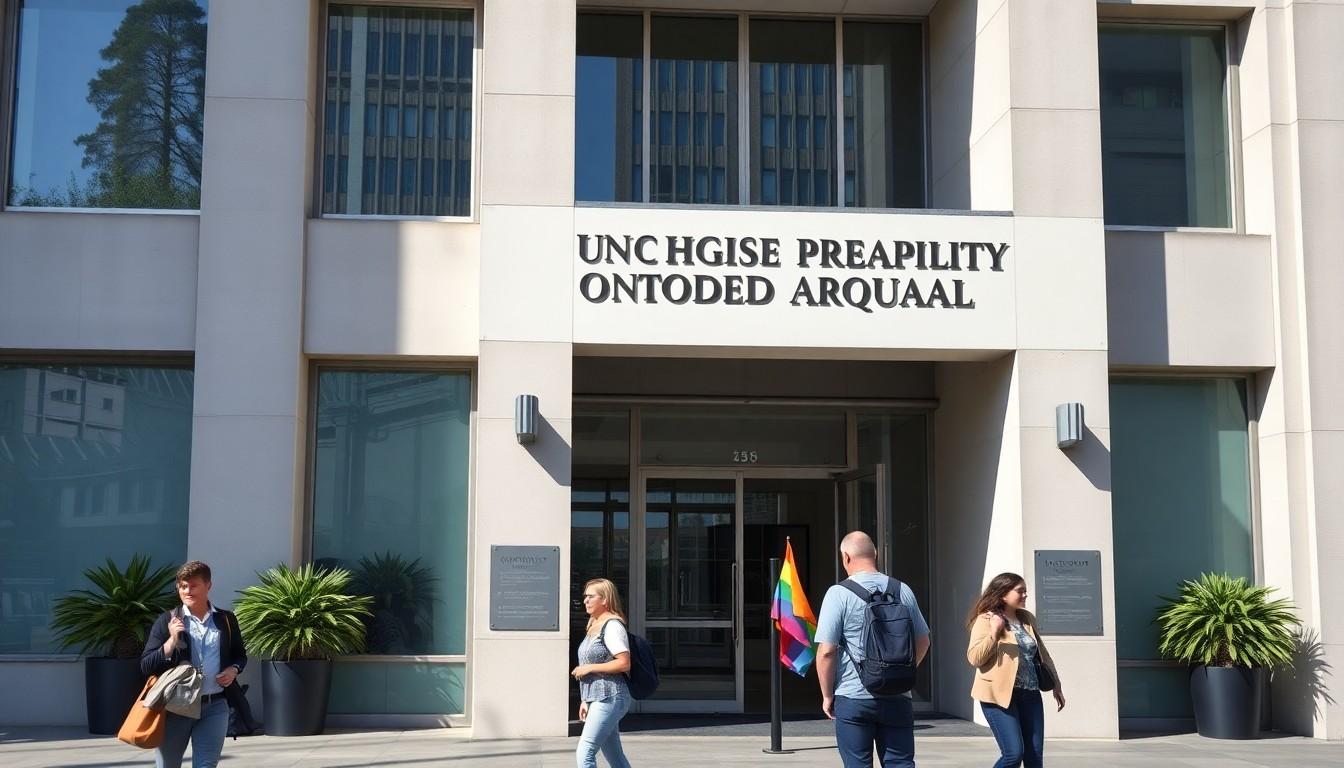
Notice how travellers and event planners are choosing destinations by law as much as by beaches , shoppers, corporate buyers and high-spending visitors are favouring places with codified human rights protections, and Canada’s federal 2SLGBTQI+ Action Plan is a standout example of why policy can be the smartest tourism asset.
Essential Takeaways
- Policy as product: Codified rights, not just marketing, are becoming a durable competitive advantage for destinations.
- Higher yield: Top safety-index nations often see longer stays and higher daily spend, giving hotels and venues a premium feel.
- MICE-safe: Corporate event buyers prefer destinations with legal protections to reduce liability and duty-of-care risk.
- Practical checks: Verify civil marriage equality, anti-discrimination laws, gender self-determination and conversion-therapy bans before booking.
- Local nuance: Strong federal laws matter, but urban centres usually deliver the most inclusive on-the-ground experiences.
Opening hook: Governments are now part of the travel brochure
You can smell the difference , safer, steadier tourism feels more confident. According to analysis of emerging market patterns, destinations that embed human-rights protections into law enjoy a form of credibility that no poster campaign can buy. That shift changes how hotels, DMOs and national tourism boards think about brand-building.
Backstory: why policy outranks promotions this season
For years a slick ad or viral campaign could lift a nation’s profile. But travel buyers and wealthy tourists now run a quick legal audit before they click buy. Studies and indices that score safety and equality have entered procurement checklists, and destinations with whole-of-government plans are reaping the rewards.
Practical tip: if you’re booking an event or premium holiday, ask for legal proof , not just slogans , that guest protections exist.
Canada’s federal plan: a template for trust and yield
Canada’s Federal 2SLGBTQI+ Action Plan shows how a government can convert rights policy into tourism strength. The plan funds community capacity, supports projects across health and housing, and even offsets public-event security costs , measures that reduce operational headaches for festival organisers and conference planners.
Context: according to Canada’s official pages, the plan channels millions into community programmes and resilience grants, building infrastructure that supports large, safe gatherings. The result is more robust conventions and steadier high-value leisure travel to cities like Toronto and Vancouver.
Practical insight: when a state shares the bill for event security, insurers and MICE organisers see predictable costs , that’s a big part of why some cities win repeat contracts.
Index power: safety scores drive spending
Independent indices such as the Spartacus Gay Travel Index and comparative tools like Equaldex now shape perceptions and bookings. Destinations with top scores tend to command higher Average Daily Rates and longer stays, because visitors accept premium prices for certainty and inclusion.
Trend note: travel advisors tell us that guests from high-yield markets show low price sensitivity when legislative safety is clear , they’ll pay for peace of mind.
Practical tip: consult a destination’s latest index placement before contracting a venue or setting a rates strategy; it’s an actionable KPI for revenue forecasting.
MICE, duty of care and corporate risk: why buyers switch hosts
The MICE sector is especially sensitive to legal context. Corporate procurement teams have CSR and duty-of-care obligations, so they prefer countries with statutory protections to limit potential legal and reputational fallout.
Observation: when national law is clear, firms avoid complex vendor clauses and can run inclusive programming without extra insurance. That’s why event planners increasingly shortlist only Tier 1 legal destinations.
Practical tip: include a legal-framework review in RFPs and ask if hosts receive any government security subsidies , it can cut costs and speed approvals.
From policy to plate: local reality still matters
Even in nations with strong federal laws, rural pockets can lag on acceptance or specialised services. Metropolitan hubs usually offer the dense infrastructure required for safe, high-yield travel , think certified hotels, trained staff and community centres , while smaller towns may require more careful itinerary planning.
Advice: mix the macro with the micro. Verify venue accreditation and staff training, and ask for local access to specialist healthcare or community resources where relevant.
What governments should do next , and why travellers win
Reallocating a slice of promotion budgets into institutional grants, training and event security creates authentic experiences that last. Countries that treat civil-rights laws as tourism infrastructure build resilience against seasonal reputation swings, and that benefits businesses and visitors alike.
Outlook: as travel professionals embed safety indices into their decision trees, expect more nations to follow the playbook of those already reaping the gains.
It's a small change in strategy with big returns , check the law before you book.
Source Reference Map
Story idea inspired by: [1]
Sources by paragraph: