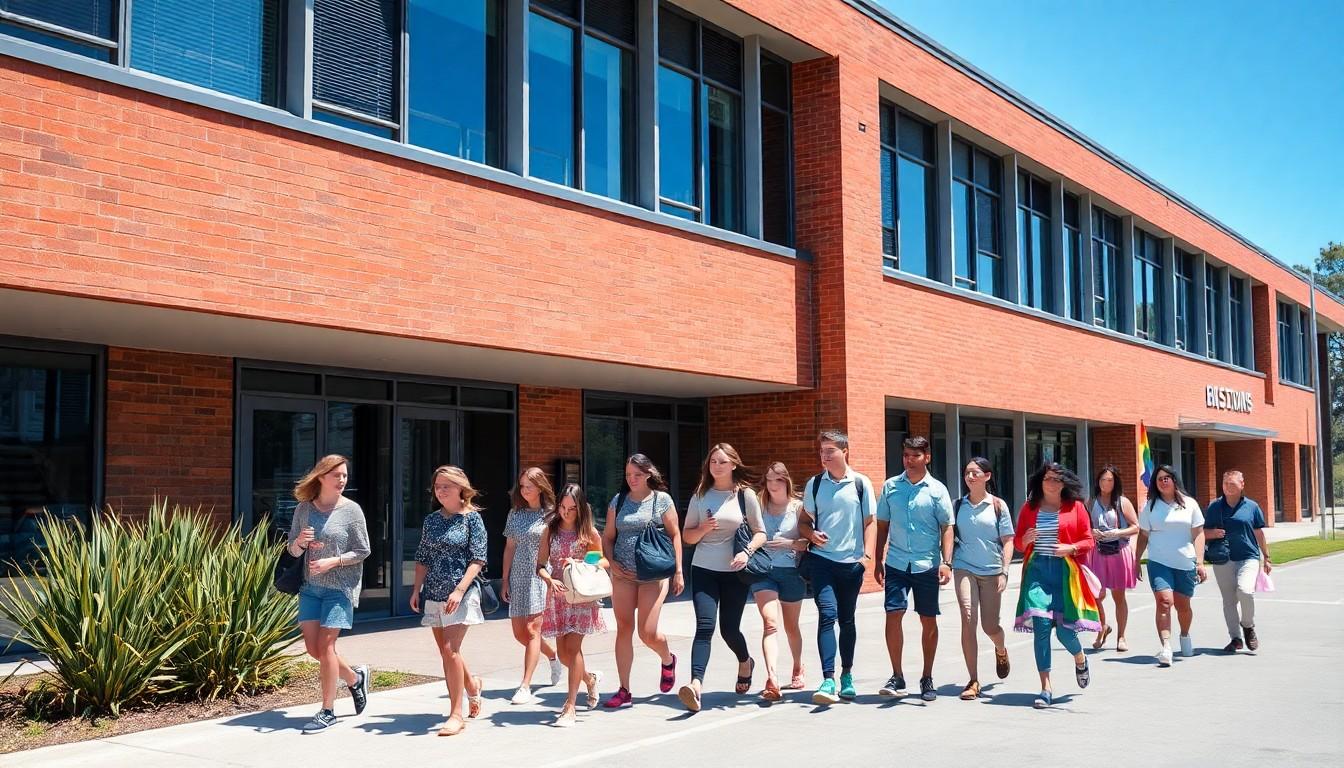
Celebrate Wear It Purple Day by recognising and supporting gender- and sexuality-diverse young people; students, teachers and workplaces across Australia wear purple to show solidarity, while research shows schools still need clearer lessons, policies and whole-school approaches to make inclusion real.
Essential Takeaways
- Growing visibility: Around 9.5% of Australians aged 16–24 now identify as gender or sexuality diverse, with some studies suggesting higher local rates.
- Education gap: Only about 23% of high schoolers report learning about gender or sexuality diversity in relationships and sexual health classes.
- Whole-school wins: Schools that use whole-school approaches, teacher training, supportive policies and alliances, boost students' sense of belonging and wellbeing.
- Parental support: Most parents back inclusive education, with surveys showing broad support across school sectors.
- Practical moves: Simple actions, visible support, referral systems, pride groups, help students feel safer and more hopeful.
Why Wear It Purple Day still matters this August
Wear It Purple Day feels bright and simple, a sea of purple T-shirts and headbands, but it signals something deeper: a call for belonging. Events on university campuses and in high schools mean students see allies, which eases a lot of daily pressure.
The initiative began in 2010 to protect gender- and sexuality-diverse (GSD) youth from bullying and discrimination. According to state and community event listings, workplaces and councils are also signing up to mark the day, turning a single date into a wider cultural nudge. If your school is planning something low-key, a purple sticker or a lunchtime ally table can be as meaningful as a big assembly.
The numbers show more young people are owning diverse identities
More teens and young adults are identifying as GSD than a decade ago, which changes the stakes for schools. National figures put roughly 9.5% of 16–24-year-olds in this group, and some research hints at proportions nearer 20% in certain 18–24 cohorts.
That rise matters because it makes exclusionary school cultures more damaging and inclusion more urgent. Schools can either compound shame and isolation, or become places where young people feel visible and supported. Practical tip: administrators should treat increased visibility as a cue to review curricula and pastoral care, not as a controversy to avoid.
What school lessons are missing , and why it matters
Surveys of thousands of Australian students show that lessons on gender and sexuality diversity are patchy. One La Trobe study found only 23% of 14–18-year-olds recalled learning about these topics in relationships and sexual health classes. Earlier research by academics working with GSD students found even lower rates reported in some HPE classes.
That patchiness leaves many young people unprepared and teachers under-resourced. According to education research, explicit, age-appropriate content helps normalise diverse identities and confronts discriminatory language. For schools wondering where to start: integrate simple, factual references into existing units, invest in straightforward staff training, and consult community organisations for ready-made resources.
Whole-school approaches that actually change student experience
Evidence points to whole-school approaches as the most effective route. That means consistent policies recognising GSD students, regular professional development, visible statements of support, and student-led groups like pride or gender and sexuality alliances.
When these elements are in place, students report greater willingness to confide in trusted adults, less distress, and more hope for the future. A practical checklist for schools: update anti-bullying policies to name homophobic and transphobic language, publicise support contacts, set up a student alliance, and ensure administrative systems respect name and pronoun requests. Small, visible signals, posters, purple badges on Wear It Purple Day, help too.
Politics, parents and the path forward
Discussions about teaching gender and sexuality diversity have attracted pushback from some politicians and lobby groups in the past, which has slowed national uptake of programs. Yet polling and research show most parents favour inclusive RSE across public primary and high schools; support levels vary but often sit well above majority in representative studies.
So there’s a clear path: schools can lean on parental support, evidence and community partners to make incremental but concrete changes. Look for allies in staffroom champions, local health services, and nearby universities running Wear It Purple events. It’s pragmatic and, crucially, resilient to episodic controversy.
How workplaces and communities can amplify the message
Wear It Purple Day isn’t only for classrooms. Councils, universities and workplaces hold events and offer simple ways to show solidarity: morning teas, webinars, and visible policies that speak to inclusion. Universities, government offices and cultural venues often publish event details and resources to help smaller organisations join in.
If you’re organising an event, keep it accessible: provide content warnings, ensure participation is voluntary, and include signposting to support services. That way the day supports, rather than exposes, young people who may not be ready to be visible.
It's a small change that can make every purple T-shirt mean something real.
Source Reference Map
Story idea inspired by: [1]
Sources by paragraph: