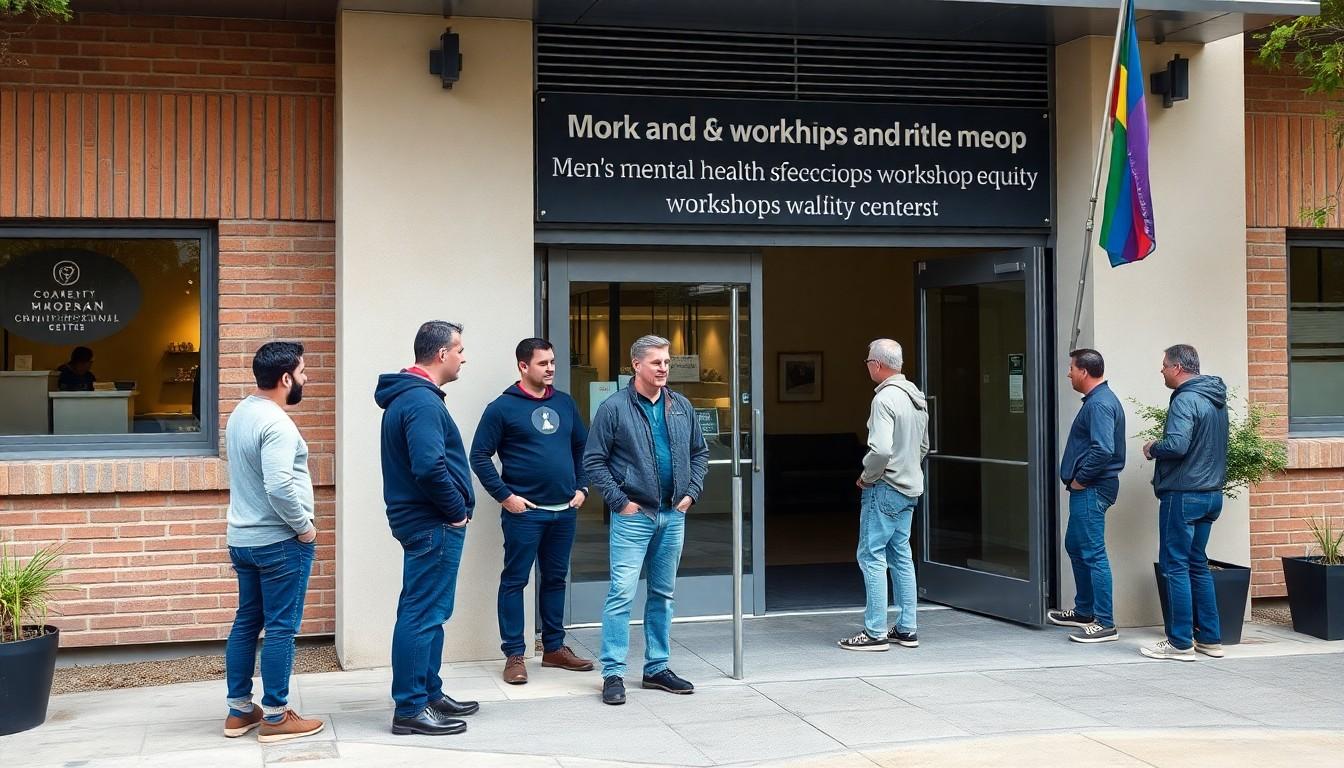
Shoppers and readers are turning to new ideas about manhood as a public-health problem meets a cultural conversation; Ben Vasiliou’s Better Man offers an accessible, strength-based blueprint for boys and men in Australia to build healthier identities, stronger relationships and safer communities.
Essential Takeaways
- Men’s mental-health risk: Men account for the majority of suicide deaths in Australia, and many say they’d be unlikely to seek professional help.
- Violence and masculinity linked: Gendered violence remains a national crisis, with intimate-partner homicides occurring regularly.
- Practical approach: Vasiliou promotes expansive masculinity , courage and care combined , rather than simply condemning masculinity as “toxic.”
- Program impact: The Man Cave reports attitudinal and behavioural shifts after workshops, with teachers and peers noting reduced misogyny and greater help-seeking.
- Everyday tools: Self-awareness, ongoing therapy, parental presence and shared domestic labour are central to the change Vasiliou wants to see.
Why this book matters now: public health, loneliness and the masculine crisis
If you look beyond hot takes on social media, there's a quieter, harder problem: men are dying by suicide in greater numbers, and many won’t reach out for help. According to national data and specialist groups, male suicide remains a pressing public-health issue and sits alongside rising concerns about loneliness and social isolation. Ben Vasiliou frames his book as a response to that reality, not a culture-war screed.
Vasiliou’s pitch feels pragmatic: the goal isn’t to erase traditional strengths like courage or leadership, but to widen the toolbox so men can also be emotional, nurturing and collaborative. That’s a useful reframe for readers tired of binary debates, and it maps onto calls from researchers and prevention groups for targeted, male-focused mental-health work.
If you’re worried about a friend or family member, this context matters: public-health data show the scale of the problem, and the approach Vasiliou offers points to concrete, low-barrier interventions.
Expression over suppression: what modern men could practically do
Vasiliou’s mantra is simple and human , expression over suppression , and he’s unapologetic about naming the damage of the “mask of masculinity” he wore for years. He talks frankly about therapy, about still going every week, and about creating safe spaces where men can show vulnerability without fear of being policed.
That model is actionable. Start small: regular one-to-ones with mates that aren’t “beer and banter” only; a commitment to check in on the emotional load at home; or booking a therapy session as routine self-care. These are the kinds of practices The Man Cave embeds in its workshops, and they mirror recommendations from suicide-prevention specialists for sustaining help-seeking behaviours.
What programmes can , and can’t , achieve: evidence and limits
Community workshops and school sessions can shift attitudes, but changing belief doesn’t always equal changing behaviour. Vasiliou accepts that and points to his organisation’s evaluation work: surveys of boys, and increasingly of teachers and female peers, suggest less misogyny and more help-seeking up to six months after intervention.
That’s promising, yet it also underscores a wider lesson from researchers: short, well-designed programs work best as part of a longer-term, whole-school or whole-community strategy. If you’re a schools leader, parent or funder, the takeaway is clear , invest in ongoing, reinforced curricula rather than one-off events if you want sustained change.
Masculinity, family and parenting: show up 50-50
One of the book’s most persuasive practical pivots is about daily life: men sharing childcare, emotional labour and household duties is both a gender-equity issue and a mental-health intervention. Vasiliou argues that present parenting and shared domestic work help boys grow up with softer, more flexible templates for what men do.
For fathers, that’s concrete: swap work for a school pickup once a week; lead bedtime routines; or set a rule that evenings are for family conversation. Those small behavioural shifts model emotional availability for kids and reduce the isolation that can feed poor mental health.
Personal story as a tool, not a spectacle
Vasiliou’s own history , a marriage, children, hiding his sexuality, a later coming-out and recovery , is central but not sensational. He uses it to explain how rigid norms are internalised and how change is possible. That personal honesty helps the book avoid preachiness and instead invites readers to reckon with their own stories.
If you’re sceptical about self-help from public figures, note that Vasiliou pairs memoir with program evidence and practical tips: it’s an attempt to bridge feeling and method, which helps the message land for people who need both empathy and structure.
Closing line
It’s a small cultural shift , more expression, more shared care , but it’s one that can make every life and relationship a little safer.
Source Reference Map
Story idea inspired by: [1]
Sources by paragraph: