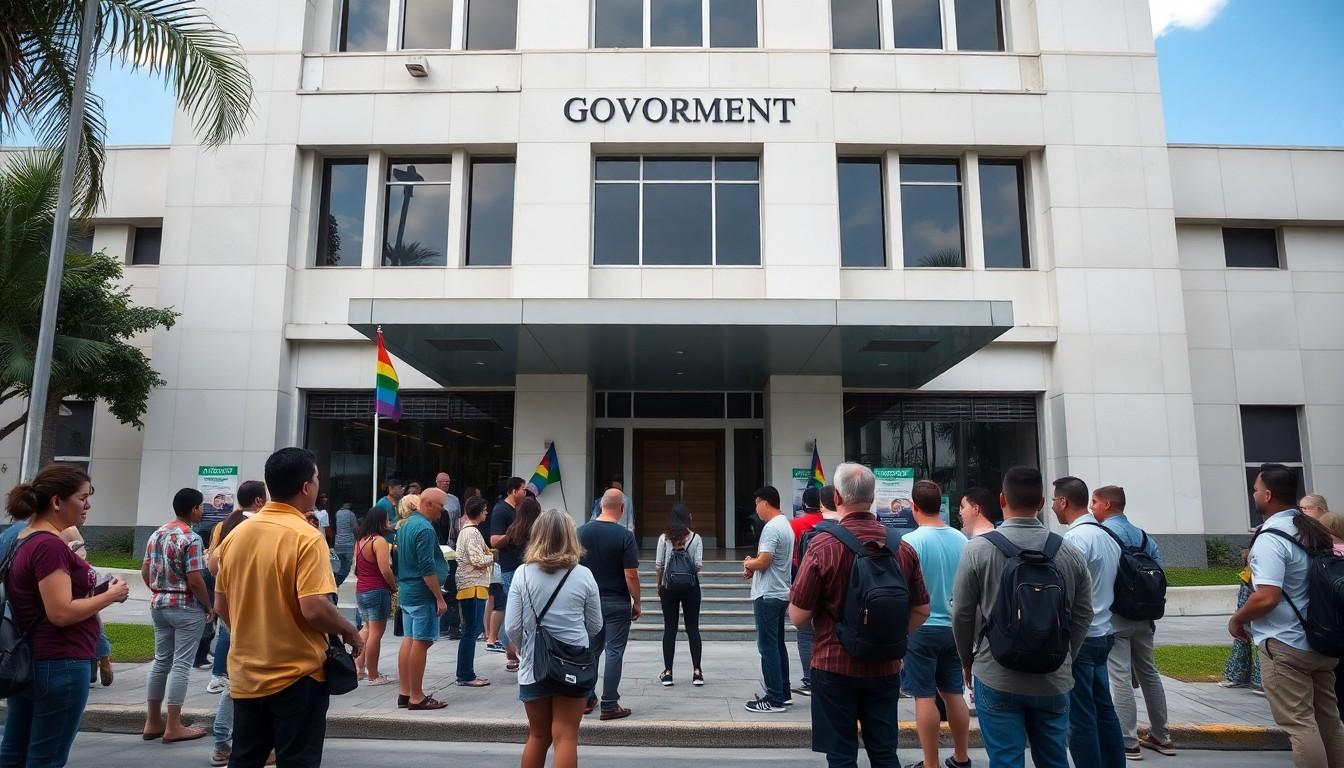
Notice how quickly rights can feel ordinary , and then vanish. I attended an LGBTI+ leadership meeting in Paraná with Requião Filho and Michele Caputo and left convinced this election matters for who belongs in the public square, who keeps rights, and who decides our everyday freedoms.
Essential Takeaways
- Momentum: Requião Filho and Michele Caputo are running as a PDT ticket in Paraná, drawing organised LGBTI+ attention to the race.
- Polling snapshot: Recent surveys put Sergio Moro ahead, with Requião Filho in second and Sandro Alex following , the contest is competitive and fluid.
- Rights at stake: Civil liberties for women, LGBTI+, Indigenous, Black and peripheral communities hinge on political decisions, not inevitability.
- Philosophical lens: Hannah Arendt’s idea that freedom needs a shared public world helps explain why silence or apathy can shrink liberties.
- Practical tip: Voting is important, but joining organisations, attending local meetings and staying informed shapes how rights are defended between elections.
Why this Paraná race feels different , and why you should care
There’s a particular tension in the air: campaigns are noisier, but the stakes are concrete , who controls institutions that protect daily freedoms. According to local reports, Requião Filho has formalised his ticket with Michele Caputo on the PDT list, signalling a campaign that’s courting diverse communities. That combination matters because it brings LGBTI+ and other leadership conversations into the centre of statewide politics, not just the margins. If you think politics is distant, remember decisions about education, policing, health and recognition start at the ballot and trickle into neighbourhood life.
Polls and personalities: read the map before you decide
Polling this week shows Sergio Moro leading, with Requião Filho and Sandro Alex behind, which makes strategic choices and alliances vital. A lead can create complacency and a close contest can make every local meeting count. News outlets have covered Requião Filho’s launch and the pairing with Michele Caputo, and that visibility can mobilise supporters , or provoke opponents. If you’re scanning the numbers, look for trends rather than a single snapshot: momentum and turnout often matter more than early leads.
Rights aren’t guaranteed , they’re built and defended
It’s tempting to treat civil liberties as permanent, but history and political theory remind us they’re contingent. Hannah Arendt argued that freedom needs a common public space where difference is visible and protected; when that space is eroded, freedoms retreat. That’s not just academic: it maps onto real-life debates over who can marry, who can teach, who can access healthcare or be safe on the street. If parties or movements push to restrict who counts as a full citizen, the consequences are practical and painful.
What activism looks like between campaigns
Voting is crucial, but it’s only part of the story. Local organising, regular contact with representatives, rapid response to proposals that threaten rights, and support for independent media all keep the public space healthy. At the LGBTI+ meeting I attended, leaders stressed the same: show up to assemblies, back pro-rights candidates locally, and donate time or small sums to community groups. Even simple actions , sharing verified information, attending a local rally, or joining a neighbourhood oversight group , create friction against rollbacks.
Choosing where to focus your energy
Not every person can lead a movement, but everyone can choose an action that fits their life. If you’re short on time, prioritise voting and one steady action: sign a petition, volunteer monthly, or mentor young organisers. If you have expertise, offer it: legal advice, communications help, or event planning goes a long way. And if you’re unsure, follow reputable local coverage to spot moments where collective pressure would be decisive. Small, repeated acts often protect rights more than a single grand gesture.
It’s a small change that can make every right feel safer.
Source Reference Map
Story idea inspired by: [1]
Sources by paragraph: