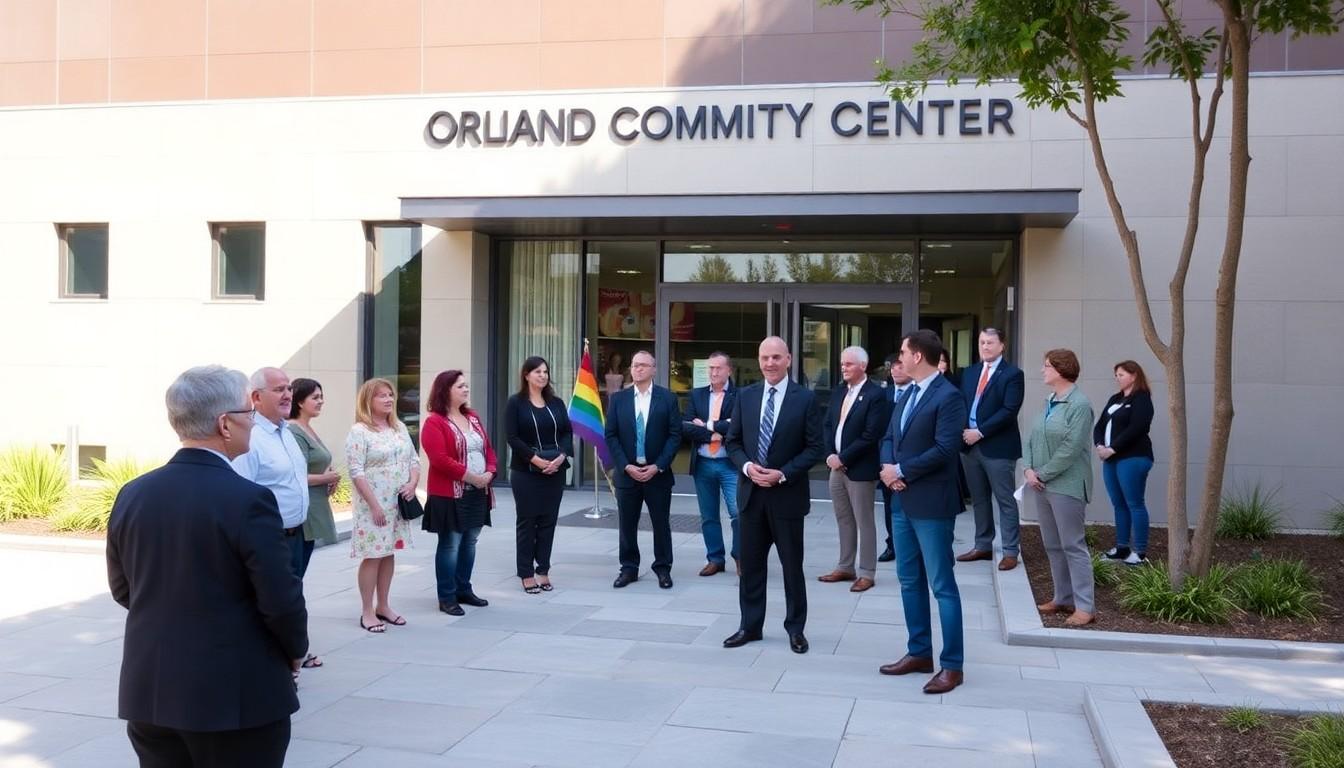
Shoppers and neighbours gathered to celebrate a new public space that honours local champions; Moore Hope Plaza, unveiled outside the Oakland LGBTQ Community Center, cements Lakeshore Avenue as a visible, safe and celebratory corner of the city’s LGBTQ cultural district.
- Official dedication: The plaza was formally unveiled on 12 August 2026 with city leaders and community organisers present.
- Honouring activists: It commemorates Peggy Moore and Hope Wood, long-time Bay Area political strategists and LGBTQ advocates.
- Visible symbolism: A Progress Pride flag was raised and a permanent plaza sign installed, giving the district a daily reminder of inclusion.
- Community use: The plaza will host events, vigils and festival programming, beginning with the kickoff to Oakland’s 2026 Pride pre-festival activities.
A place that feels like home , and a rallying cry
The strongest moment was the sign reveal, simple but electric, that made Lakeshore Avenue feel newly claimed , familiar shops framed by a flagged, open space where people can gather. According to the Lakeshore LGBTQ Cultural District, Moore Hope Plaza sits right outside the Oakland LGBTQ Community Center and is meant as a visible anchor of safety and celebration. The scene was equal parts tender and triumphant, as friends and neighbours cheered the memory of two organisers who helped shape local politics.
The plaza grew from years of grassroots organising and local advocacy. Peggy Moore and Hope Wood were leaders in Bay Area civic life whose work ranged from voter mobilisation to mentoring young activists. Their sudden deaths in 2024 left a gap the community clearly wanted to mark, and the plaque, flagpole and programme of community events give that grief a constructive, living form.
Who showed up and why it mattered
Oakland Mayor Barbara Lee and Congressmember Lateefah Simon joined centre co-founders Joe Hawkins and Jeff Myers for the dedication, lending both political weight and civic warmth to the affair. According to coverage and the community centre’s own announcements, the event was also the official kick-off for Pride pre-festival activities, so it doubled as celebration and remembrance.
That mix matters because memorials that are only retrospective can feel distant; by tying the plaza to ongoing programming the city ensures Moore and Hope’s names will be part of daily life. For locals, that means a familiar spot for vigils, drag brunch spillovers, arts happenings, and quiet reflection when the crowds have gone.
How the plaza fits into a broader cultural district trend
Cities are increasingly designating neighbourhoods as cultural districts to protect and promote communities that have historically been marginalised. Lakeshore’s LGBTQ Cultural District joins a modest but growing list of places where streetscape improvements meet cultural preservation. The district’s website outlines plans for signage and activation that make the plaza both symbolic and practical.
This isn’t just about a sign and a flag; it’s about economic and social stewardship. A plaza like this can help sustain local LGBTQ-owned businesses by drawing footfall and by signalling to outsiders that this is a safe, vibrant corridor. If you run a shop or plan an event, think about scheduling around the district’s calendar , your business could benefit from the extra attention.
What the plaza will be used for , and how to take part
Organisers say Moore Hope Plaza will host a range of events, from Pride lead-ups to memorials and community workshops. The dedication itself included speeches, a flag-raising, and public remarks about the couple’s grassroots legacy. Event listings for the plaza are already appearing on community calendars and the Lakeshore Cultural District’s site.
If you want to be involved, follow the district’s announcements and the Oakland LGBTQ Community Center’s events page. Volunteer opportunities, sponsorships for programming, or simply turning up to a scheduled event are easy ways to support the plaza’s life and purpose.
A civic memory that keeps moving forward
There’s a sweet, resolute logic to placing a memorial where people live and shop: it invites everyday encounters with history. Moore Hope Plaza won’t be quiet , it’s designed to be used, to hold both celebration and critique. As organisers pointed out at the ceremony, the plaza stands as a reminder of the progress driven by Black and queer activists in the Bay Area.
It’s a hopeful addition to Lakeshore Avenue: a small plaza with a clear intent to keep activism in public view and community life humming.
It's a small change that can make daily civic life feel safer and more grounded.
Source Reference Map
Story idea inspired by: [1]
Sources by paragraph: