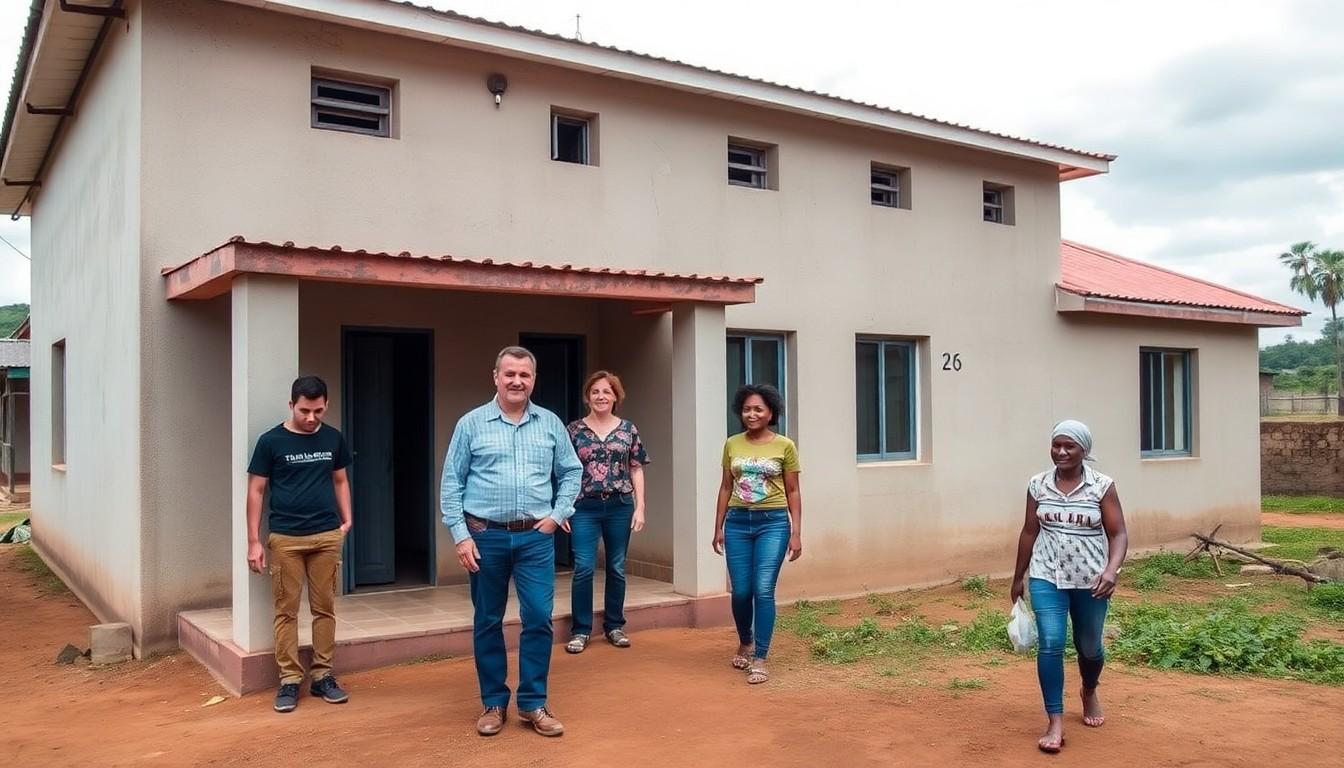
Shoppers, donors and advocates have quietly helped launch a life-saving housing scheme for LGBT+ Ugandans, offering shelter, food, training and community where it's most needed; the initiative, backed by Sir Ian McKellen and the Peter Tatchell Foundation, matters because it tackles immediate danger and long-term rebuilding.
Essential Takeaways
- Funding boost: £14,645 raised via the Peter Tatchell Foundation is underwriting the new safe-housing scheme for LGBT+ people in Uganda.
- Practical support: Residents will get housing, food, farmland and skills training , things that feel grounding and practical in a crisis.
- Creative and social care: The project includes music, dance and sports activities, plus a small recording facility to help build confidence and income.
- Security first: Location and details are kept confidential because of severe legal and social risks under Uganda’s anti-LGBT+ laws.
- Scale of help: Organisers estimate support for between 30 and 80 people in the first year, offering both immediate relief and pathways to self-reliance.
Why a small pot of cash can have outsized impact
A donation pot of just over £14,000 doesn't sound headline-grabbing, but on the ground it buys roofs, seeds, training and crucial breathing space. The money, channeled via the Peter Tatchell Foundation, funded the Dauglas Project in partnership with Out & Proud African LGBTI (OPAL). For people who have lost homes, jobs and family support, a safe place to sleep and grow food is both practical and quietly restorative , you can almost picture the relief that a warm meal and a locked door bring after months of fear.
Backstory: the funding follows intense campaigning and public concern about laws in Uganda that criminalise sexuality and gender identity. According to Reuters and AP coverage, the legal environment is harsh and enforcement unpredictable, so discreet, local projects are a realistic way to protect people now rather than wait for distant legal reforms.
What the project offers beyond a roof
The Dauglas Project isn't just accommodation. Organisers say it will combine farmland, food provision, skills training and a social network for LGBT+ residents. There's a small music and recording facility and space for sports and dance , all things that help people reclaim normal rhythms and build marketable skills. That blend of practical and creative support helps residents rebuild confidence while exploring income streams that suit them.
Practical tip: for donors or supporters, small targeted gifts , farming tools, solar lamps, laptops for creative work , can stretch further than you might expect. According to project spokespeople, modest inputs help create sustainable livelihoods.
Security and confidentiality: why silence is safety
The project's exact site and many operational details remain confidential, and for good reason. Uganda’s laws, which international outlets have described as among the harshest, expose LGBT+ people to arrest, mob violence, eviction and blackmail. Project leaders prioritise security to avoid jeopardising those they help.
Comparative note: human-rights groups and journalists have documented arrests and prosecutions tied to the anti-LGBT+ law, so local shelter projects must balance visibility for fundraising with secrecy to protect residents. If you volunteer or donate, check how organisers manage data and anonymity.
Who’s leading the work , and why public figures matter
The scheme is coordinated by a Ugandan community organiser known as Dauglas, who already works with vulnerable youth, and it's supported by OPAL. Sir Ian McKellen, a Bolton School old boy, has publicly called the initiative “an important and valuable lifeline,” and Peter Tatchell has emphasised the project’s combination of emergency relief and long-term support.
Why this matters: high-profile endorsements can increase trust and attract more funding, while grassroots leadership keeps operations culturally informed and responsive. It’s a useful model: international spotlight plus local delivery.
What success looks like and what comes next
Organisers estimate help for 30–80 people in year one , a meaningful start that could expand with more funding. Success won’t be measured only in numbers rehoused, but in restored dignity, newfound income and creative outlets that give people reasons to hope.
Outlook: legal change in Uganda may take years, so short- to medium-term safe-housing and livelihood schemes are a practical lifeline. Supporters and onlookers should expect this kind of hybrid humanitarian-and-skills approach to grow if it proves resilient and discreet.
It's a small change that can make every shelter more than just a roof , it can be a step towards rebuilding a life.
Source Reference Map
Story idea inspired by: [1]
Sources by paragraph: