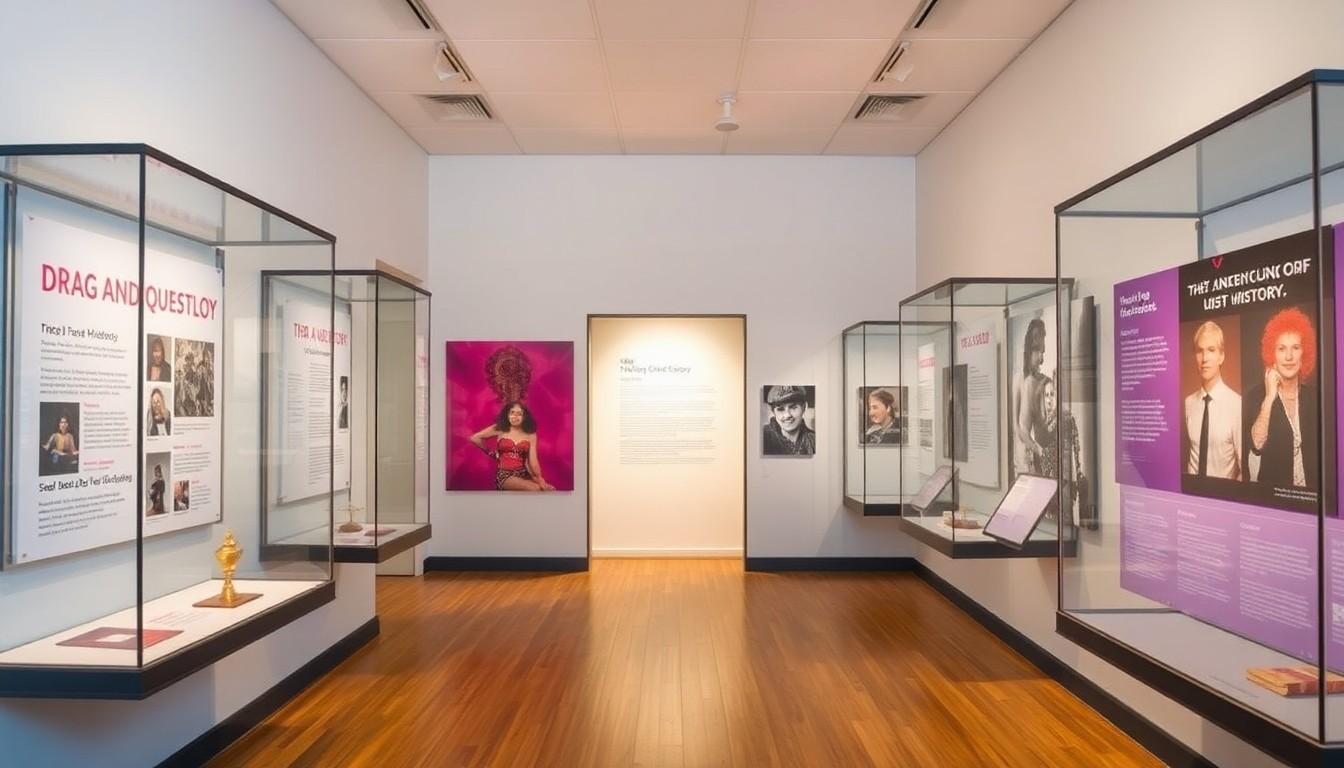
Shoppers of culture are flocking to museums spotlighting drag and queer history, as vibrant new shows across North America bring costume, protest and performance to the fore; visitors say the displays are visual, joyful and essential for understanding LGBTQ+ cultural roots.
Essential Takeaways
- Bold displays: Costumes, posters and performance footage make queer histories feel immediate and theatrical.
- Context matters: Exhibits place drag in wider social movements, from protest to pop culture.
- Sensory-rich: Many shows use sound, video and tactile design for an immersive feel.
- Educational and accessible: Family programmes, timelines and oral histories help newcomers and long-time fans alike.
- Plan ahead: Popular runs sell out; check museum websites for tickets and special events.
Why museums suddenly feel like club nights , and why that’s brilliant
Step into some of these galleries and you’ll notice the lights, the music and the sheer scale of sequins before you read a single caption. That theatricality is intentional; curators lean into drag’s visual language so visitors experience its allure first, then its politics. According to the Getty’s Queer Lens approach, exhibitions frame objects within queer lives to make histories feel lived and urgent. Practical tip: arrive early to avoid crowds and to let the soundscapes settle around you.
From archival gowns to protest placards , a wider story
These shows don’t just display dresses. They map drag’s intersection with civil rights, Stonewall-era organising, and later mainstream breakthroughs. Harvard Library’s American Drag project, for instance, pairs vintage photos with press clippings to show how performers navigated both spectacle and surveillance. If you’re comparing exhibits, look for timelines and oral histories , they’re the quickest way to understand how a look or a routine fits a decade of activism.
Immersive design that teaches as it dazzles
Curators increasingly use video loops, interactive kiosks and recreated performance spaces to add context. The Museum of Arts and Design-style installations and MAD’s Queer Maximalism approach show how design choices heighten emotion; it’s not just pretty, it teaches. For families or teachers, seek out museum guides and audio options , they turn a gallery visit into a conversation you can bring home.
Local scenes and the global picture , why both matter
Exhibits range from local oral-history suites to wide-arc surveys of queer culture. The South Street Seaport Museum and smaller museums foreground community stories, while larger institutions place those communities within global currents. If you want to dig deeper, attend a curator talk or panel , museums often host Q&As with performers and historians that add colour the labels can’t capture.
How to choose which show to see first
If you care about fashion and stagecraft, prioritise costume-heavy displays; if you want political context, look for shows with protest ephemera and documentary film. Want something lively for younger visitors? Seek out interactive exhibits and scheduled performances. And remember: exhibitions rotate, so bookmark museum pages and follow social channels for pop-up events and ticket releases.
It's a small change to your weekend plan that can open up whole new ways of seeing drag and queer lives.
Source Reference Map
Story idea inspired by: [1]
Sources by paragraph: