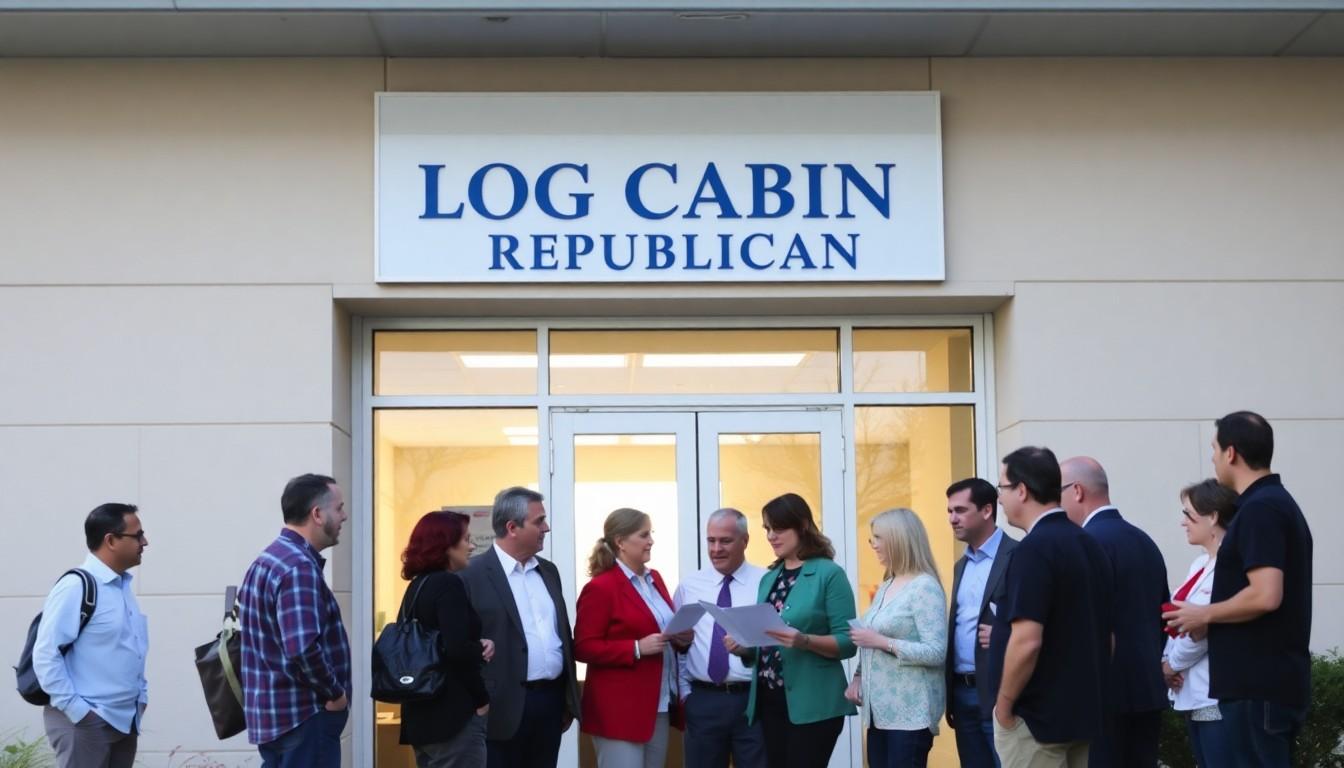
Watch the party lines shift: a long-running gay-conservative group has quietly narrowed its focus to LGB issues, prompting sharp rebuke from major LGBTQ+ advocates and raising fresh questions about who speaks for the community and why it matters.
Essential Takeaways
- Major change: Log Cabin Republicans voted to stop advocating specifically for transgender issues and will concentrate on sexual orientation and conservative values.
- Leadership view: The group’s president framed the move as a response to what he called activism focused on minors and sports, not a ban on transgender members.
- Pushback: The Human Rights Campaign and other LGBTQ+ organisations publicly criticised the decision as a betrayal of unity and civil-rights strategy.
- Political ripple: The shift spotlights growing fractures between conservative LGBT groups and mainstream LGBTQ+ advocacy, with implications for messaging and alliances.
- Practical effect: Transgender policy priorities , health care, sports participation, school policy , may lose a conservative ally in certain legislative and public debates.
A sharp pivot that caught people’s attention
Log Cabin Republicans, a group that will mark its 50th anniversary next year, quietly narrowed its mission and removed explicit transgender advocacy from its national focus. The decision landed with a thud across the LGBTQ+ advocacy landscape, because the group has often positioned itself as a bridge between conservative politics and gay rights. The announcement felt brisk and businesslike, but the emotional fallout has been anything but.
Why the leadership says it did this
Ross Hemminger, the group’s president, argued the decision followed careful discussion and reflected concerns that transgender activism had shifted toward issues like minors and sports. He framed the change as a return to the organisation’s founders’ emphasis on sexual orientation and conservative values. That reasoning will resonate with some members who worry about political liabilities, but it also exposes a choice: prioritise a narrower political identity or maintain a broad civil-rights coalition.
The backlash from mainstream LGBTQ+ groups
The Human Rights Campaign publicly condemned the move, calling it a dangerous retreat from solidarity. Other prominent LGBTQ+ outlets and advocacy groups criticised Log Cabin Republicans for abandoning transgender people at a moment of intense cultural and legislative pressure. Critics say the split weakens collective bargaining power at a time when coordinated pushback matters more than ever.
What this means for policy fights and alliances
On the ground, the shift could change who shows up at legislative hearings and which voices get invited to the table. If a conservative-aligned LGBT group steps back from transgender issues, lawmakers who count coalition support may face a different balance of voices in debates over school policies, medical care, and sports participation. That doesn’t erase conservative trans allies , but it does alter the political arithmetic.
How supporters, members, and voters might respond
Members who are transgender will not, according to leadership, be expelled; the change is about policy focus. Still, people choose political homes because they want their concerns amplified. Expect some members to defect, others to stay and argue for a different direction, and a handful to applaud the clarity. For voters, this is a reminder that identity-based organisations are also political actors with strategic choices , and those choices have consequences at the ballot box.
It's a small organisational shift with outsized symbolism , and one that will be watched closely as state and national debates over transgender rights continue.
Source Reference Map
Story idea inspired by: [1]
Sources by paragraph: