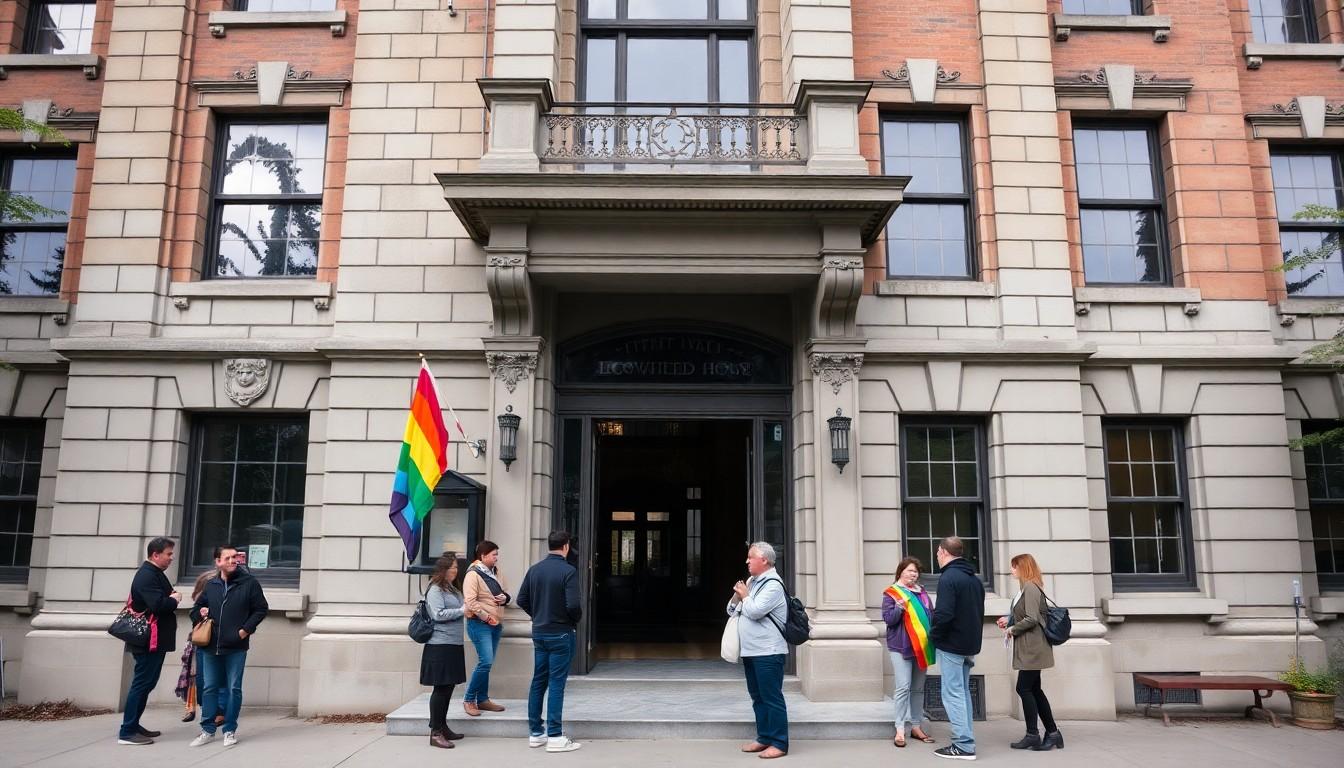
Discover lively, local stories and spots this Pride: wander historic parks, catch a play, listen to oral histories and try a queer history trivia night , all showing how Calgary’s 2SLGBTQ+ past shaped the city we know today. These hands-on ideas make history feel personal, visible and worth celebrating.
Essential Takeaways
- Start local: Trivia nights and walking maps make queer history accessible and social, with events at Lougheed House and Beltline walking tours.
- Visit meaningful sites: Central Memorial Park and Lois Szabo Commons anchor stories of early rallies and community builders.
- See and hear the past: Theatre productions like Torch Song and podcasts such as Late in ’88 bring lived experience to life, sounding intimate and vivid.
- Read to deepen: Books and memoirs, including Our Past Matters and Not So Normal, give first-person perspectives on changing social and legal landscapes.
- Practical planning: Many events are free or low-cost, but some have limited seating , arrive early or book when required.
Kick off with queer history trivia , social, sharp and surprising
If you like your history with a side of banter, a trivia night makes facts feel alive and communal. Lougheed House hosts themed trivia nights that focus on queer history, giving you a relaxed way to test your knowledge while meeting others who care about these stories. Doors typically open early and seating can be first come, first served, so turn up with friends or a curious stranger. It’s a friendly, low-pressure way to learn details you might later recognise on walking tours or in podcasts.
Stand where Calgary’s first political Pride rally happened
Central Memorial Park is more than green space; it’s a quiet marker of courage. In 1990, about 140 people gathered there for Calgary’s first political Pride rally, some masking their faces to avoid identification. Visiting the site today is a sensory reminder , the park’s open air contrasts sharply with the fear that once surrounded public visibility. CBC reported on that rally, and standing on the grass makes the city’s progress feel tangible. Bring a moment of reflection and think about how public protest has reshaped civic life.
Hear wider histories: a lecture on trans experiences across the Asia Pacific
Public lectures push you to rethink familiar frames. The Calgary Institute for the Humanities is hosting a talk that situates transgender history beyond Western categories, using examples from the Sinophone Pacific. That kind of context sharpens how we read local stories , it reminds us that “trans history” isn’t a single, neat narrative. These free talks are intellectually rich and accessible, and they’re ideal if you want to connect Calgary’s queer past to global threads that shaped ideas about gender and identity.
See Torch Song and relive 1970s gay life onstage
Theatre offers texture: the lights, the laughter, the awkward silences , all of it helps you imagine a past era. Scorpio Theatre’s production of Torch Song transports audiences into the 1970s, an era between Stonewall energy and later crises. Local productions often use historical notes and community research to frame the play, so you leave with more than a good night out. If you’re choosing seats, expect intimate staging at the Pumphouse and consider reading a brief synopsis first so the emotional beats land harder.
Learn Everett Klippert’s story , a somber, pivotal chapter
Some histories are legal and personal at once. Everett Klippert, a Calgary bus driver, became the last person in Canada jailed for homosexuality; his case helped propel changes to criminal law. The award-winning short documentary Gross Indecency explores that life and legacy and shows how one court case rippled into national reform. Watching it is sobering but necessary , it connects headlines about rights to real human costs. If you want to understand why legal reform mattered, this is essential viewing.
Pay respects at Lois Szabo Commons , community memory in the city
Parks can be memorials with everyday uses, and Lois Szabo Commons is one such place. Szabo helped found Club Carousel in 1970, a private haven in a time when queer social life had few public outlets. The park bearing her name folds that legacy into daily routines , picnics, dog walks, kids playing. Pause there and imagine a quieter, riskier era of gathering; it’s a visual cue that the city itself holds stories. For photo-friendly stops on a walking tour, include this green corner.
Read memoirs for intimate, lived perspectives
Memoirs give texture that archives sometimes miss. Tom Symington’s Not So Normal recounts growing up gay in postwar Calgary, full of small humiliations, clever evasions and slow social change. Personal narratives signal how law, stigma and community shape ordinary life. If you prefer reading to guided tours, add a couple of memoirs to your Pride reading list , they make historical shifts feel immediate and human.
Listen to Late in ’88 for raw, oral histories
Podcasts are perfect for walking, commuting or baking, and Late in ’88 stitches together voices from Calgary’s queer past. Season Two jumps into 1998 and checks what changed for youth, blending interviews with musicians and historians. Oral histories capture tone and hesitation in a way print can’t; you’ll hear laughter, pauses, regional accents, and the small details people remember. Plug in on a city stroll and let local stories become the soundtrack of your Pride.
Walk with a queer map , DIY tours that surprise you
Maps change perception: A Queer Map of Calgary pins bars, meeting spots and sites of activism, turning ordinary streets into a narrative route. Created through the Calgary Atlas Project, it’s ideal for people who like to explore at their own pace. Use it to build a 90-minute loop or a half-day deep dive, and bring a notebook , you’ll spot plaques, building façades and hidden alleys that make history tactile. Combining the map with podcast episodes or memoir readings deepens the experience.
Read Our Past Matters to connect the threads
If you want context that ties everything together, Kevin Allen’s Our Past Matters is the kind of read that maps people, places and politics into a single story. It collects accounts of gathering places, activism and scandals that shaped gay life in the city. Start here if you plan to do several of the activities above , the book will help you notice links and recurring names, turning disparate stops into a meaningful route.
It's a small change to your Pride plans that makes the city feel richer and more connected.
Source Reference Map
Story idea inspired by: [1]
Sources by paragraph: