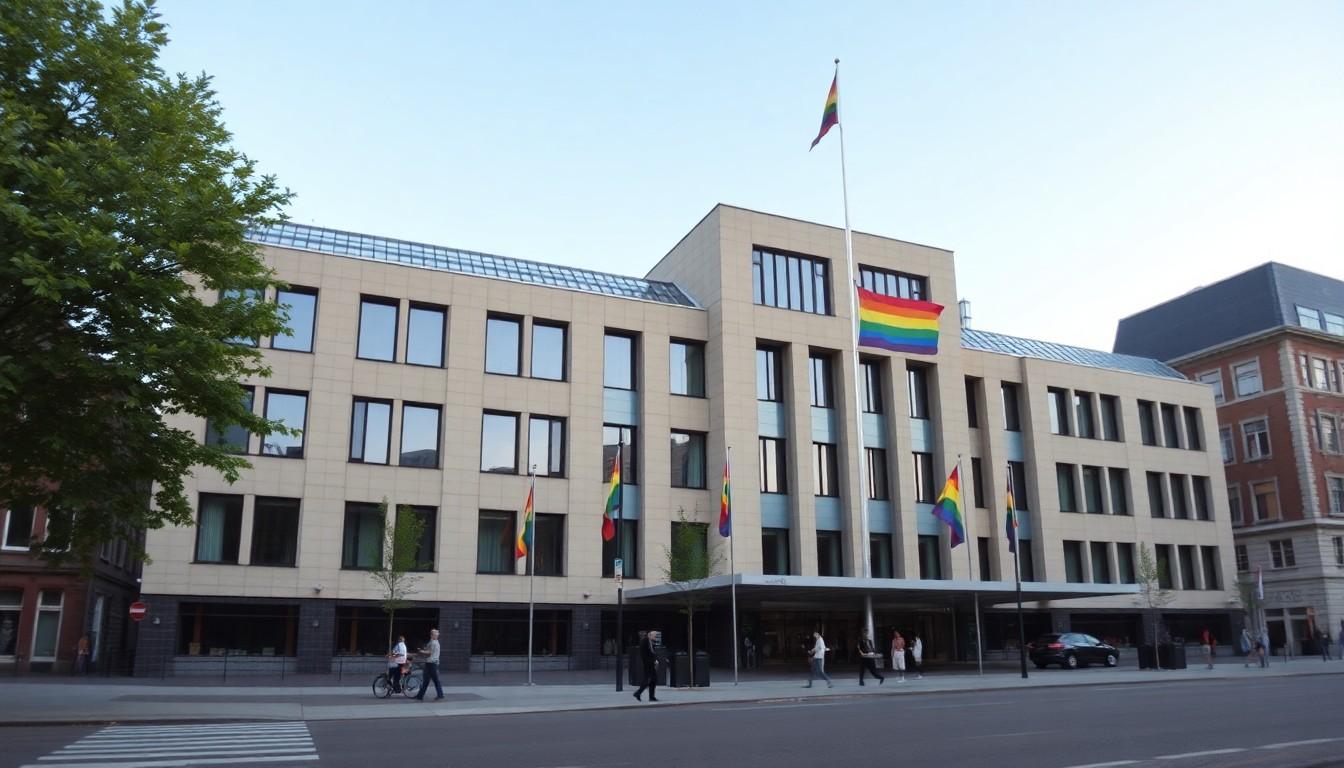
Shoppers of safety and equality are watching: Amsterdam's mayor has drawn a line under violence against lhbti+ people, saying those who attack or threaten them "belong in prison" , a bold stance that matters for residents, visitors and anyone worried about rising intolerance.
Essential Takeaways
- Clear stance: Mayor Femke Halsema said perpetrators of violence against lhbti+ people should face prison, signalling zero tolerance.
- Preventive focus: Halsema points to education and existing measures to change attitudes, not just punishment.
- Political scrutiny: Local politicians asked for specifics after her firm remark, wanting clearer action plans.
- Ongoing concern: Community leaders and Pride organisers remain worried about safety, despite Amsterdam’s reputation for freedom.
- Practical note: If you witness or experience intimidation, report it , police and municipal programmes are the routes to follow.
Halsema drew a sharp red line , and people noticed
Mayor Femke Halsema’s words landed with a thump: those who use violence against queer people “belong in prison.” That line is simple, tough and unambiguous, and it reassures anyone who’s felt vulnerable that the city’s leadership sees physical attacks as criminal acts. The remark also prompted councillors to ask what concrete follow-up will look like, because bold words need solid backing.
What happens after the headline , prevention vs punishment
Halsema didn’t just lean on punishment; she emphasised existing preventive work, like educational efforts aimed at younger people to shift attitudes. That’s sensible , punishment can deter, but prevention changes hearts and minds. Still, some local politicians say current measures aren’t cutting it and want clearer, firmer policies to tackle rising intolerance in public spaces.
Political reaction: questions, not objections
Several councillors welcomed the sentiment but pushed for specifics. They want to know which new tools the municipality will deploy, and whether law enforcement will prioritise hate-related offences more visibly. It’s a familiar dance in city politics: moral clarity meets the practical need for budgets, measurable outcomes and inter-agency co‑ordination.
Amsterdam’s reputation under strain , why it matters
Amsterdam has long been sold as a free, open city where people can be themselves. That reputation isn’t just cosmetic; it shapes tourism, local life and the sense of safety queer residents expect. Yet reports of intimidation and threats have piled up, and community groups are worried. Saying the city won’t tolerate violence is partly about protecting people and partly about preserving that open identity.
What citizens and visitors can do right now
If you see or experience intimidation, report it to the police and to municipal advice channels; documentation matters, and quick reporting helps build cases. For parents and schools, encouraging respectful conversations early reduces the chance that intolerance hardens into aggression. Community initiatives, safe-space schemes and visibility campaigns also help make everyday life safer.
It's a small change in rhetoric that could make every street feel a bit safer , but only if words turn into action.
Source Reference Map
Story idea inspired by: [1]
Sources by paragraph: