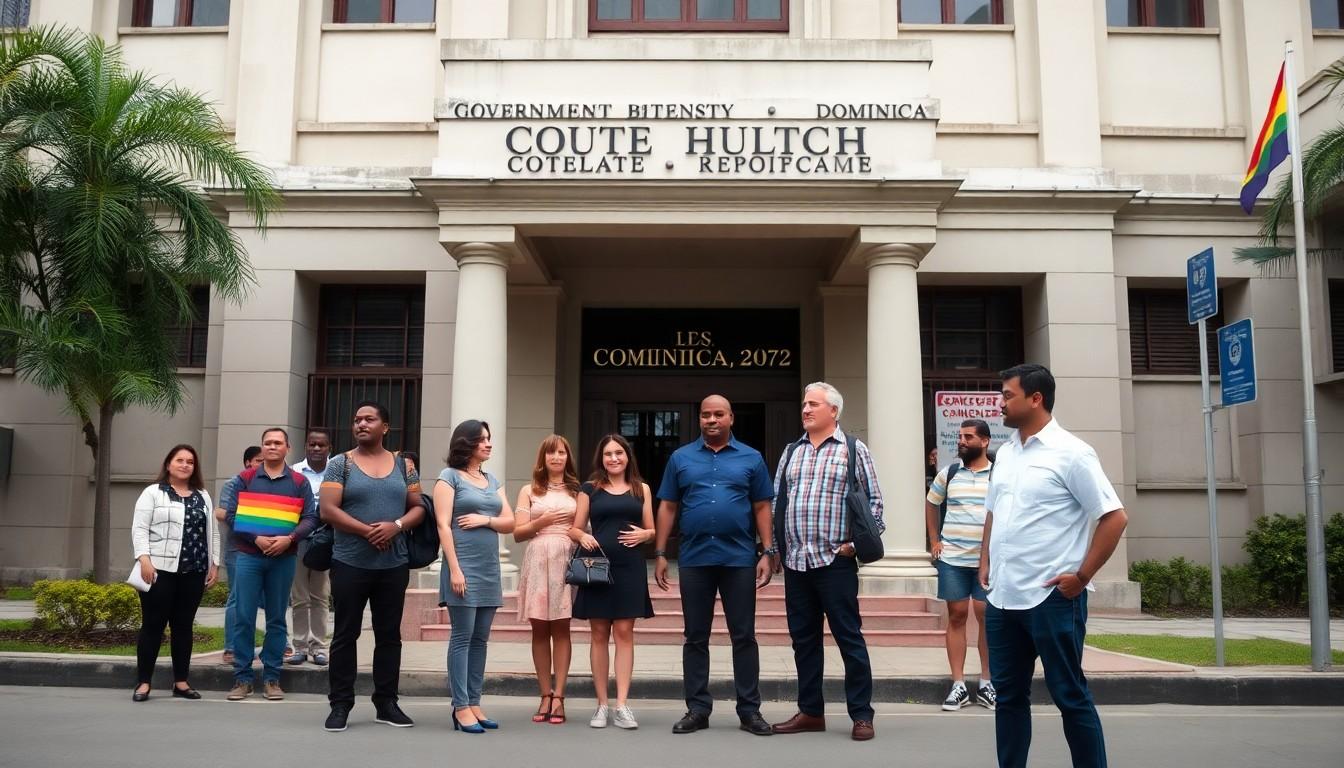
Shoppers of laws and rights are waking up: LGBT+ organisations in the Dominican Republic have asked the Constitutional Court to correct what they call a clear omission in the new Penal Code, arguing sexual orientation must be named to stop patchy enforcement and protect people from discrimination.
Essential Takeaways
- Legal gap: Article 173 punishes discrimination for many grounds but does not explicitly list sexual orientation, creating uncertainty.
- Who’s pushing: A coalition including Colesdom, Diversidad Dominicana, ASA, Transsa and others brought a direct action of unconstitutionality to the Constitutional Court.
- Real harms cited: Activists point to workplace exclusion, denied services, bullying and family rejection documented in the 2020 National LGBT+ Survey.
- What they want: No special treatment , a clear mention of sexual orientation so protections are consistent and enforceable.
- Practical effect: Naming sexual orientation would make criminal sanctions for discriminatory acts straightforward to apply and harder to reinterpret.
Why activists say this omission matters now
The most striking thing about the legal fight is how small a change could have big practical effects: include “sexual orientation” in Article 173 and judges, prosecutors and police would have a clearer instruction when handling discrimination cases. According to campaigners, the current wording leaves room for wildly different interpretations, so similar complaints can get different outcomes depending on who’s handling them. That patchiness is painful in human terms , survivors report being brushed off, or told the law doesn’t clearly protect them.
The backstory: how the challenge landed at the Constitutional Court
Groups including Colesdom, Diversidad Dominicana, Amigos Siempre Amigos, Trans Siempre Amigas and others presented their case during a public hearing challenging Article 173’s constitutionality. They’ve framed their request as corrective rather than confrontational , they’re not asking for advantages, they’re asking for clarity. The move follows years of data pointing to entrenched discrimination, not least the 2020 National LGBT+ Survey that found exclusion from work, service denial and obstacles to justice. That evidence gives the legal action a practical, human-weighted foundation.
What this means for victims of discrimination
If the court orders the change or interprets the article to include sexual orientation, victims would likely find it easier to press charges and pursue remedies. Prosecutors would have a clearer basis for bringing cases, and judges would have a firmer statutory text to cite when imposing penalties. For people who’ve long feared reporting abuse, that legal clarity could translate into real relief , quicker investigations, firmer sentences for blatant discrimination, and more consistent rulings. For employers, service providers and schools, the message would also be clearer: discriminatory conduct risks criminal sanction.
Wider context: a regional and rights-based perspective
The activists’ demand fits a broader pattern in the region where rights groups press for explicit statutory protections rather than relying on broad, open-ended clauses. Amnesty International and other human-rights bodies have warned that laws which fail to explicitly protect vulnerable groups leave room for retrograde interpretation. Naming protected characteristics is a simple drafting choice but one that often separates vague protections from ones that actually work in practice. For the Dominican Republic, the debate is also political: tightening protection now could set a precedent for future reforms on gender, identity and access to justice.
How this affects everyday decisions , and what you can do
For lawyers, civil-society workers and service providers, the practical takeaway is to treat discrimination claims seriously now, regardless of the language gap, and to back training for front-line officials so incidents are properly recorded. For citizens, supporting organisations that document abuses and bring test cases helps create the precedent that changes law. If you’re an employer or school leader, review anti-discrimination policies and update training so staff know how to respond if someone reports mistreatment.
It's a small drafting change with potentially big consequences for safety and fairness.
Source Reference Map
Story idea inspired by: [1]
Sources by paragraph: