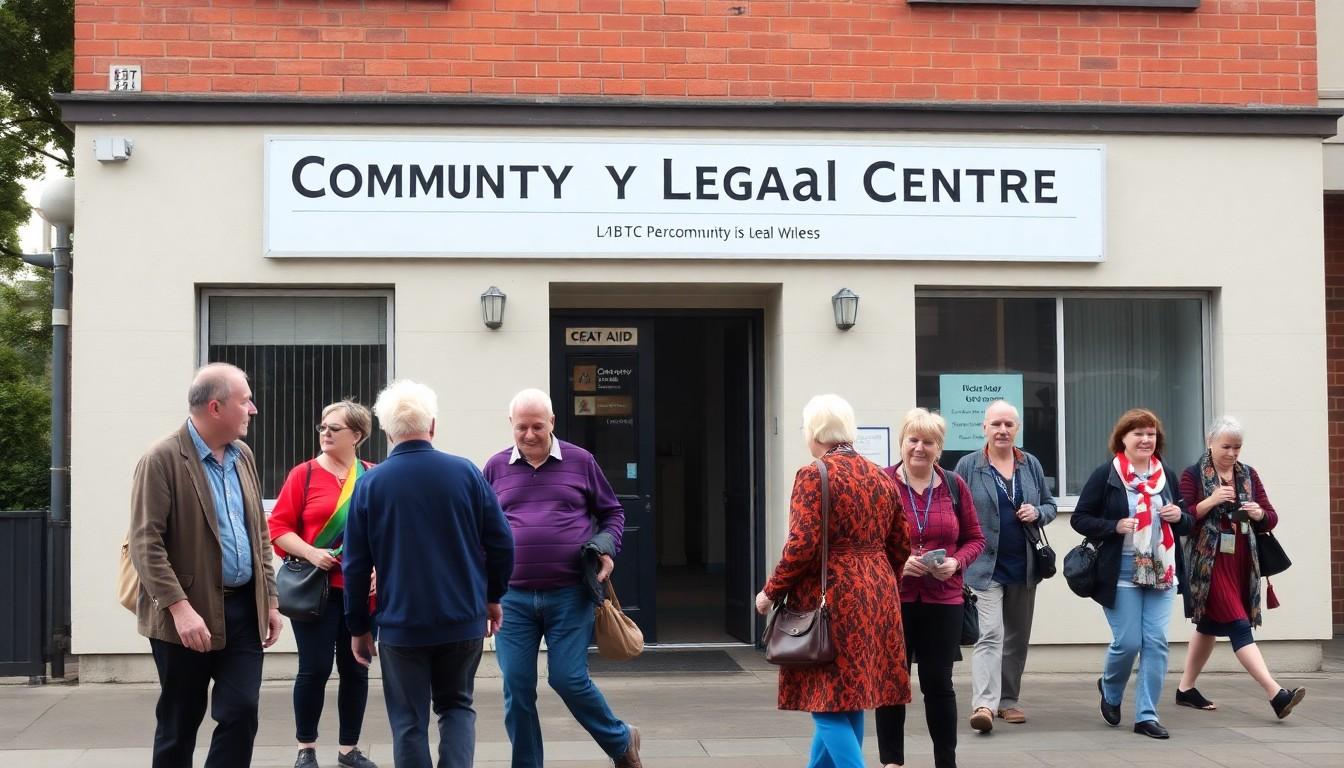
Shoppers are turning to community legal help as people live longer and laws get trickier. Seniors Rights Service offers free, confidential legal advice and aged‑care advocacy across New South Wales, with special outreach to LGBTQ+ elders , a practical lifeline for disputes, elder abuse and planning ahead.
Essential Takeaways
- Who it helps: Older people across NSW, including LGBTQ+ elders and residents of retirement villages, boarding houses and strata complexes.
- What it costs: Free, independent and confidential , no referral required; call 1800 424 079 or visit seniorsrightsservice.org.au.
- Services offered: Legal advice, aged‑care advocacy, elder abuse support, assistance with powers of attorney and retirement village disputes.
- How it feels: Practical and person‑centred , phone and in‑person advocates explain rights clearly and will speak to providers on your behalf.
- Special focus: Targeted LGBTQ+ resources, community events and dedicated information for people who may distrust mainstream services.
Why Seniors Rights Service still matters after 40 years
Forty years in the business gives an organisation a certain steadiness , and a few war stories. Seniors Rights Service began as The Accommodation Rights Service in 1986 and has grown into an accredited community legal centre that understands how ageing interacts with housing, health and money. The work is often quiet and urgent: a fraught phone call, a tense meeting with a provider, or a solicitor drafting documents that prevent future conflict. Those practical moments are where people notice the difference.
What the service actually does , legal help you can use
The legal arm covers retirement village and boarding house disputes, strata problems, powers of attorney and estate planning questions. According to the organisation, that means real courtroom and tribunal support when needed, not just pamphlets. If you’re wondering whether a decision by your provider is lawful, or how to sort out a difficult family situation, the solicitors provide concrete advice you can act on.
Practical tip: have dates, paperwork and names ready before you call , it helps advocates give sharper, faster guidance.
Advocacy in aged care , someone to speak up for you
Seniors Rights Service also runs aged‑care advocacy across NSW for people using Commonwealth‑funded services, whether at home or in a facility. Advocates listen, explain rights, help lodge complaints and will speak to the aged‑care provider directly to try to resolve problems. That kind of support matters when you’re stressed; an advocate can turn vague worry into a focused, solvable problem.
If your issue is safety or immediate harm, mention that first , advocates triage urgent situations and can escalate appropriately.
Tackling elder abuse , not just family fights but financial coercion too
Elder abuse sits at the heart of the service, handled by both solicitors and advocates. The team deals with financial exploitation, coercion and mistreatment, and offers information on how to plan ahead to reduce risk. Legal avenues exist to stop wrongdoing and secure a person’s finances or living situation, and the service connects people to those options without charge.
If you suspect abuse, act early; small steps like documenting incidents and saving messages create a clearer case later.
LGBTQ+ elders get tailored support and outreach
One thoughtful detail is that LGBTQ+ elders are named as a priority population, not an afterthought. Seniors Rights Service runs information sessions designed for queer communities, maintains a dedicated LGBTQ+ page and hands out resources at events like the Sydney Gay and Lesbian Mardi Gras. That matters because many older queer people grew up without legal protections or trust in mainstream services , tailored outreach helps bridge that gap.
For LGBTQ+ elders: look for the downloadable brochure on the website and consider calling the line to ask about local community sessions.
How to get help and what to expect
Calls are free and confidential, and no referral is needed. Ring 1800 424 079 or visit seniorsrightsservice.org.au to start. Expect to be asked about your situation, what outcomes you want, and what paperwork you can provide; from there you'll be directed to legal advice, an advocate or further resources. The service is practical, calm and experienced , the sort of support people turn to when they need clear steps forward.
It's a small change that can make every decision a lot easier.
Source Reference Map
Story idea inspired by: [1]
Sources by paragraph: