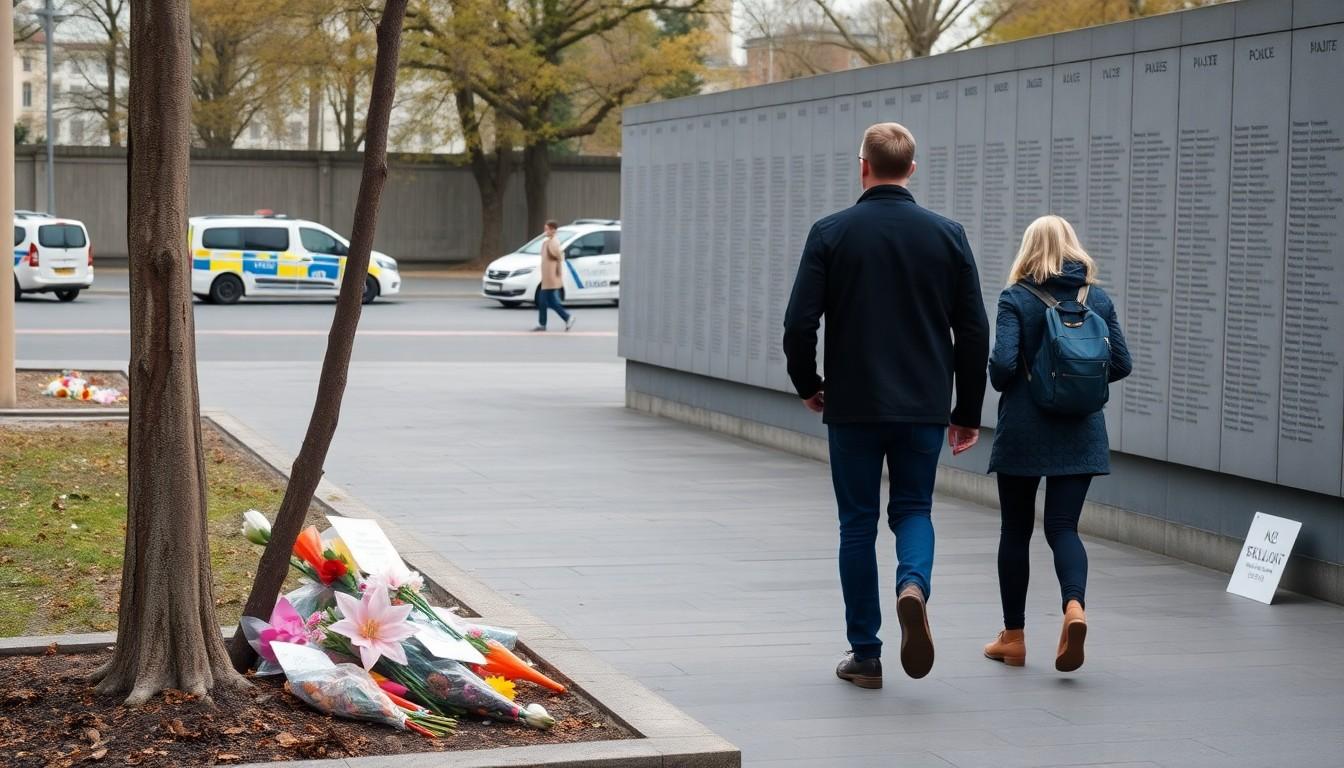
Take a quiet, reflective walk through Tiergarten and you'll find the Memorial to Homosexuals Persecuted Under Nazism , a small, powerful place where visitors are still leaving flowers and notes after recent events in Berlin. This guide explains what to expect, why it matters, and how to plan a respectful visit.
Essential Takeaways
- Location and feel: The memorial sits in Tiergarten near the Brandenburg Gate; it's intimate, understated and often surrounded by flowers and messages.
- Emotional impact: Visitors report a solemn, sometimes tearful reaction , the site prompts reflection on both past persecution and present-day solidarity.
- Accessibility: Easy to reach on foot from central Berlin; police presence may be noticeable during large events or after incidents.
- What to bring: Small flowers, a quiet heart, and suitable footwear for a park stroll , leave large gatherings for nearby plazas.
- Safety note: If political demonstrations or security incidents are underway, follow local guidance and avoid crowds until authorities confirm it's safe.
Why this small memorial hits so hard
The memorial is intentionally modest: a single granite block with a window facing the earth, set among trees where the city feels quieter and the sky looks a touch bigger. That simplicity is its strength , you stand, you look through, and there's an immediate, physical hush. Visitors often describe a lump-in-the-throat moment, and it's common to see fresh flowers, candles and handwritten notes tucked around the stone.
The memorial marks a specific, painful history, but it also functions as a living point of remembrance. According to local guides and tour resources, people come not only to learn but to pay respects and to connect emotionally with the story it tells. If you're prone to strong reactions, plan a little downtime afterwards.
How to get there and what to expect on arrival
The site is in Tiergarten, a short walk from landmarks like the Brandenburg Gate, so you can combine it with a longer stroll through the park. Public transport brings you close and the final approach is through greenery, which helps soften the transition from tourist bustle to quiet remembrance.
Expect other visitors and, at times, organised tributes , political parties, community groups and passers-by have all left flowers or placards. Police presence can increase during public events or after any city incident, so stay aware of official advice. Keep your visit respectful and low-key: no loud conversations, and if you leave flowers or notes, keep them small and unobtrusive.
What the memorial teaches , then and now
The memorial commemorates gay men and other homosexuals persecuted under Nazi rule, but its message hasn't ossified into the past. Recent events in Berlin have brought fresh vigils and communal grief to the spot, showing how memorials can anchor contemporary solidarity as well as historical memory. Visitors often speak about anger and determination in the same breath , grief at what happened, but resolve not to let hatred win.
If you're curious about the site's backstory, guidebooks and local historical resources provide context about the persecution it commemorates and the struggle to create a public memorial. A short read before you go makes the visit all the richer.
How to plan a respectful, meaningful visit
Choose a calm time , early morning or late afternoon , when the park's light is softer and crowds thinner. Bring something small if you'd like to leave a tribute: a single flower or a brief handwritten note is appropriate. Avoid commercial photo shoots or staged portraits; candid, thoughtful photos are fine, but prioritise the memorial's solemn purpose.
If you're visiting after a high-profile event or incident in the city, check local news or police updates first. Groups may gather for vigils and organisers sometimes invite speakers or readings; these can be powerful, communal experiences if you want to join in. Otherwise, allow yourself a few quiet minutes to read the plaques and to absorb the atmosphere.
Visiting responsibly: etiquette and practical tips
Keep speech low and movements gentle around the memorial. If you see others mourning or placing tributes, give them space. Bin any larger floral arrangements rather than leaving bulky items that could be a maintenance burden. If you want deeper engagement, look up nearby museums or tours that cover LGBT history in Berlin , they'll put the memorial into a fuller historical frame.
And bring comfortable shoes , you might find yourself walking farther than planned through Tiergarten. A short visit often turns into a longer pedestrian reflection, which is part of the point.
It's a small change in your Berlin itinerary that can leave a lasting impression.
Source Reference Map
Story idea inspired by: [1]
Sources by paragraph: