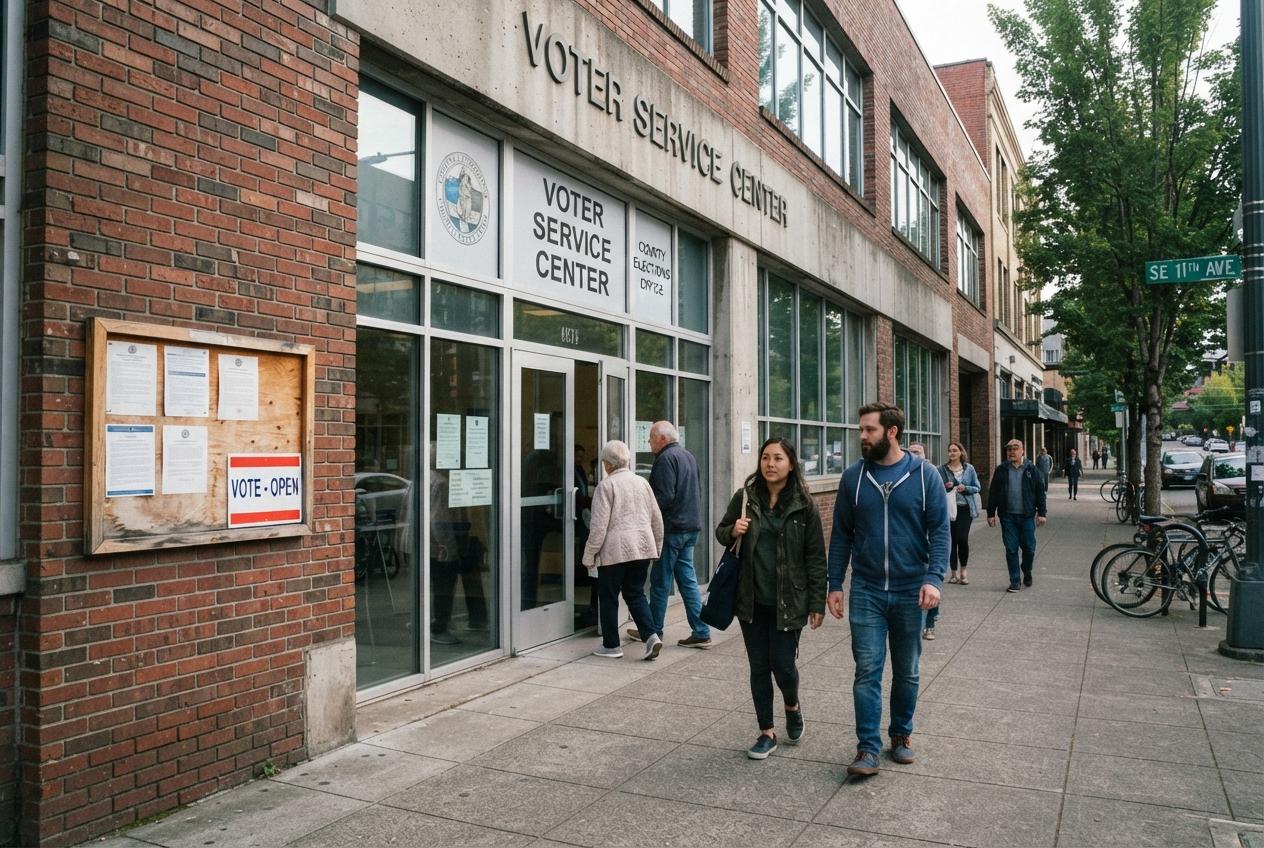
Notice the map behind the politics: LGBTQ communities are organising locally to stop lines that silence them, using litigation, grassroots mapping, and voter defence strategies to make every vote count this midterm cycle. Here’s who’s doing what, where it matters, and simple steps you can take now.
- What it is: Gerrymandering reshapes power by packing, cracking, or stacking communities to weaken their political voice.
- Visible harm: Aggressive voter purges and new state rules can silently remove eligible voters and make turnout harder.
- Tactics that work: Lawsuits, independent maps, community-driven data, and targeted mobilisation blunt the impact of biased maps.
- Practical next steps: Check registration, learn your district, help neighbours, and support local map‑drawing or legal groups.
Why the map is more than ink , it’s the architecture of power
Start with a simple, uncomfortable fact: a line on a map can make your vote feel frivolous. The Brennan Center explains how district lines decide which communities get to elect representation, and LGBTQ people have been targeted by designs that dilute their influence. You can almost feel the slight , your neighbourhood feels the same, but on paper it’s been shifted into a district that doesn’t reflect your priorities, and that quiet subtraction is maddening.
This matters because gerrymandering isn’t an abstract legal puzzle; it changes who wins, who governs, and which issues get airtime. Activists and scholars point out that the modern playbook pairs map‑drawing with other barriers , purges, paperwork and courtroom rulings , to shrink meaningful participation. For anyone who’s ever felt politically invisible, that’s not theory, it’s real life.
Packing, cracking, stacking , the playbook and how communities respond
Those three words explain most of the damage: packing concentrates a group into a handful of districts, cracking spreads them thin across many, and stacking layers demographics to drown out a community’s power. Legal guides and advocates break these down so organisers can spot the pattern and respond strategically.
Community responses are practical: map challengers use demographic data to show when lines were drawn to exclude, while activists push for independent commissions or transparent criteria. When courts are sympathetic, litigation can undo partisan maps; when courts aren’t, local mobilisation becomes even more critical. The lesson from voting experts is clear , knowing the tactic helps you fight back.
Voter purges and bureaucratic hurdles , the quiet erosion of turnout
The Brennan Center and voting experts have documented large‑scale purges that removed millions from voter rolls between election cycles. That isn’t mere housekeeping; when purges are sloppy or weaponised they disproportionately affect mobile, young, and marginalised voters , groups that include many LGBTQ people.
So, the response mixes defence and outreach: verify rolls, demand better notice and restoration procedures, and run targeted campaigns to reconnect people with their registration. Small acts , helping someone check their registration on the phone or driving them to a polling station , are often the difference between staying on the rolls and being erased.
Litigation, independent maps, and the civic tech boom , tools in the toolbox
When politics and courts align against fair maps, activists have built alternatives. Legal teams bring racial‑gerrymandering claims and seek injunctions; technologists and community groups create citizen maps that demonstrate fairer options and make the process less opaque. According to legal explainers, clarity around packing and cracking gives lawyers and campaigners concrete claims to bring before courts and commissions.
It isn’t magic. Successful fights often combine expert testimony, accessible visual maps, and relentless local organising. Community mapping projects also make a political point: when residents design alternatives, it becomes harder for officials to argue that proposed maps are the only reasonable choice.
What you can do this week , practical, local actions that matter
Check your registration and your district now; small steps take minutes but can save a vote. Learn who represents you, and if your polling place or lines change, tell friends and neighbours. Support or volunteer with groups doing mapping, voter restoration, or legal work in your state , their expertise multiplies your time.
If you’re worried courts won’t protect rights, double down on turnout and local races: city councils, school boards and state legislatures shape day‑to‑day life and the rules for elections. Help someone get to the polls, host a voter‑registration drive, or simply share clear information about where to vote , those are the actions that blunt the quiet techniques of suppression.
Looking ahead , why staying engaged is the real refusal
Lines will keep being drawn, and laws will keep shifting, but the history of civil rights shows change comes from persistence. If bad actors invest time and money to dilute your community, that investment is itself proof your participation matters. Keep checking, keep asking questions, and keep turning up , democracy needs the stubborn, visible presence of people who refuse to disappear.
It’s a small change that can make every vote safer and every map fairer.
Source Reference Map
Story idea inspired by: [1]
Sources by paragraph: