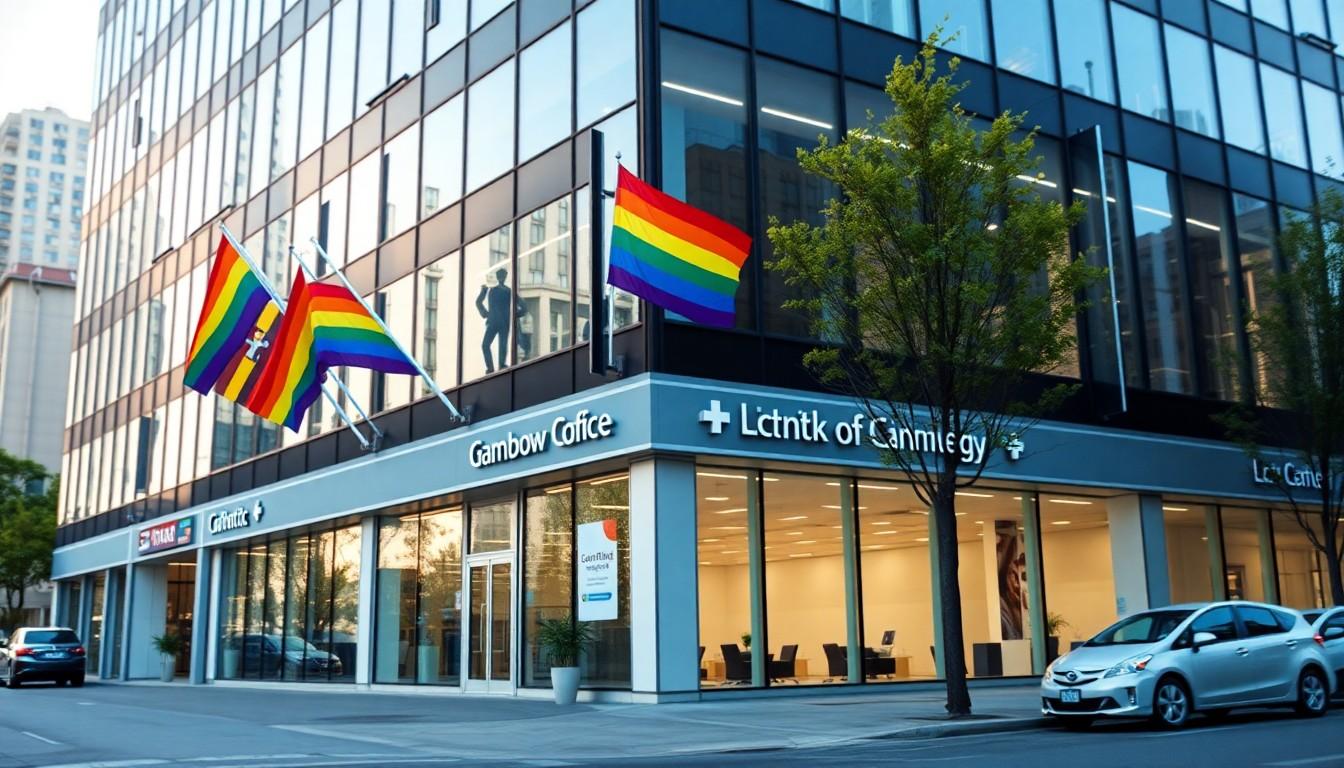
Notice the difference between a rainbow sticker and steady support: real allyship means practices, policies and people-first action that last beyond Pride month , here's how companies can show up for LGBTQ+ colleagues and customers every day, and why it matters.
Essential Takeaways
- Beyond branding: True allyship is visible in policies and practices, not just logos or seasonal campaigns.
- Internal investment: Training, benefits and supplier diversity signal long-term commitment and feel tangible to staff.
- Risk and honesty: Authentic allies articulate positions even when it's costly, rather than staying silent.
- Measurement matters: Tracking inclusion, promotion rates and employee sentiment shows whether actions are working.
Start with policies that actually protect people, not just PR
Policies are the smell test for intent; a sleek campaign won’t cover up discriminatory practices. According to advocacy and business groups, a genuine ally begins with clear non‑discrimination clauses, trans‑inclusive healthcare and well‑publicised reporting routes. Companies that bake these protections into contracts and benefits show employees that support is structural, not seasonal. For anyone choosing an employer or a brand, ask HR or check job packs for specific protections and parental, transition and partner benefits.
Train managers and teams so allyship becomes everyday behaviour
Allyship is noisy when it’s visible in daily decisions: who gets mentored, who gets stretch assignments, who is called in meetings. Industry leaders recommend active allyship training that goes beyond one talk , it's coaching for managers, bystander intervention practice and regular refreshers. When managers learn practical language and behaviours, LGBTQ+ staff report feeling safer and more included, which matters for retention and performance. If your workplace offers recurring sessions and measurable follow‑ups, that’s a good sign.
Spend where it counts: supplier diversity and community investment
Support looks different depending on where the money flows. Backing LGBTQ+ owned suppliers, investing in community organisations and funding legal defence or health initiatives are concrete ways firms show consistent commitment. Organisations like business networks offer certification and supplier directories that make it easier for companies to diversify purchasing. If a brand only markets Pride products but can’t point to suppliers or charitable programmes, the support probably stops at the checkout.
Be prepared to take public stances , and sustain them through pressure
Real allyship can mean reputational and commercial risk; authentic companies accept that. Thoughtful statements, lobbying for inclusive laws, and transparent responses when rights are threatened signal courage. Research from business thinktanks and advocacy groups shows that firms that speak up consistently tend to build deeper trust with LGBTQ+ customers and employees. Of course, actions should match words , if a public stance isn’t backed by internal practice, people notice.
Measure, report and be transparent about progress
You can’t fix what you don’t measure. Regular surveys, promotion and pay equity reviews, and public reporting on inclusion efforts turn intentions into accountability. Experts advise sharing wins and shortcomings: admitting gaps and publishing action plans builds credibility. For employees and consumers, visible metrics , like representation at senior levels or uptake of trans‑inclusive health benefits , are the clearest evidence a company is working on allyship all year.
It's a small shift in priorities that makes a big difference for people every day.
Source Reference Map
Story idea inspired by: [1]
Sources by paragraph: