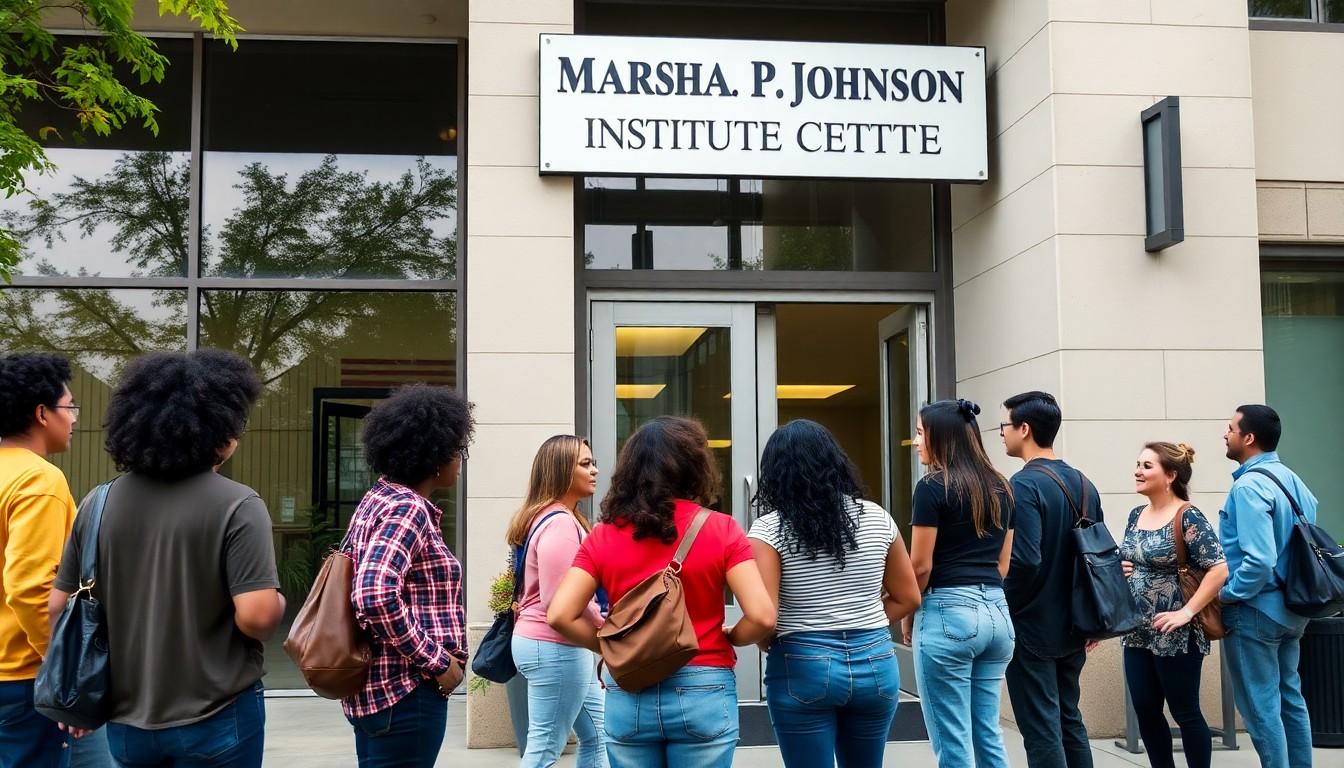
Shoppers and allies are waking up to a simple truth: visibility alone won’t keep trans people safe or housed. The Marsha P. Johnson Institute is turning Pride touring into paid work for Black and Brown trans leaders, showing why investing in organisers matters more than applause , and how you can help make it sustainable.
Essential Takeaways
- Fact: About one-third of transgender people live in poverty, so visibility without wages is insufficient.
- Model: The Marsha P. Johnson Institute’s Pride Corps pays local Black and Brown trans people to organise, educate, fundraise and document.
- Benefit: Paid roles offer community expertise, travel, mentorship and dignity , not just symbolic recognition.
- Urgency: Corporate retreat from Pride and shrinking opportunities make direct investment in trans leadership critical now.
- Practical: Compensation strengthens movements by retaining elders, building careers, and keeping grassroots memory alive.
Why paying trans organisers changes the conversation about Pride
Start with the smell of sunblock, the buzz of a marcher’s laugh and the quiet work behind every banner , that labour has historically been unpaid. According to research cited by policy groups, poverty disproportionately hits transgender people, so being “seen” at an event doesn’t solve rent or health bills. Organisations like the Marsha P. Johnson Institute have reframed Pride staffing as a redistribution strategy, paying people whose lived experience makes events safe and meaningful. If you care about justice, funding the people who do the work is the clearest next step.
Pride Corps: what it does and why it matters
Pride Corps is not a volunteer rota dressed up in nicer language; it’s a paid staffing model that treats local organisers as experts. Members act as ambassadors, educators, fundraisers and documentarians, bringing deep local knowledge that can’t be flown in. That expertise , knowing networks, culture, and local risks , is the sort of institutional memory festivals, brands and nonprofits often ignore until it’s gone. Paying for that labour keeps history alive, transfers skills, and gives people opportunities to travel and build careers.
The history behind the ask , and why it feels overdue
Pride’s roots are in resistance led by Black and Brown trans activists who faced police violence and exclusion. The story is well documented by movement groups and archives: the celebrations grew from uprisings, not marketing strategies. Yet decades on, those very communities still shoulder much of the organising and storytelling while institutions reap the benefits. Organisations calling for financial accountability are asking audiences to match their gratitude with tangible support , grants, paid roles, and contracting that reflects who did the work in the first place.
Corporates are pulling back , what that means for grassroots funding
You’ve probably noticed brands scaling back Pride rhetoric and sponsorships. When corporate money recedes, the pressure falls on small groups and volunteers. That’s one reason models like Pride Corps matter: they shift money directly to individuals and community infrastructure rather than to logos. If companies are going to reclaim allyship, they should route funds to community partners, hire trans people for non-token roles, and underwrite long-term programmes rather than episodic marketing.
How to support beyond a hashtag , practical steps for allies
Want to help in ways that actually change people’s lives? Start by funding individuals and small trans-led groups, not just big-name orgs. Hire trans people for paid speaking, consulting and planning roles. Donate to community funds or campaigns that prioritise pay, like those the Marsha P. Johnson Institute runs. Attend events, but also ask organisers how funds are distributed and whether local labour is compensated. Small changes in budgeting and procurement add up fast.
Long view: why investing now protects Pride’s future
When elders are paid to share memory and younger people are paid to learn, movement knowledge gets passed on intact. Compensation creates pathways to stable jobs, helps keep organisers safe, and prevents burnout. If Pride is to remain a meaningful space , not just a calendar moment , it needs structures that fund the people who sustain it. That’s a tidy moral ask and a smart movement strategy.
It's a small change with big consequences: pay the people who built Pride and watch the movement grow stronger.
Source Reference Map
Story idea inspired by: [1]
Sources by paragraph: